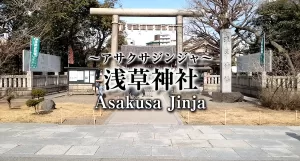
Sensoji Temple : Asakusa, Taito Ward, Tokyo
このサイトはアフィリエイト広告を利用しています。 This site uses affiliate advertising.
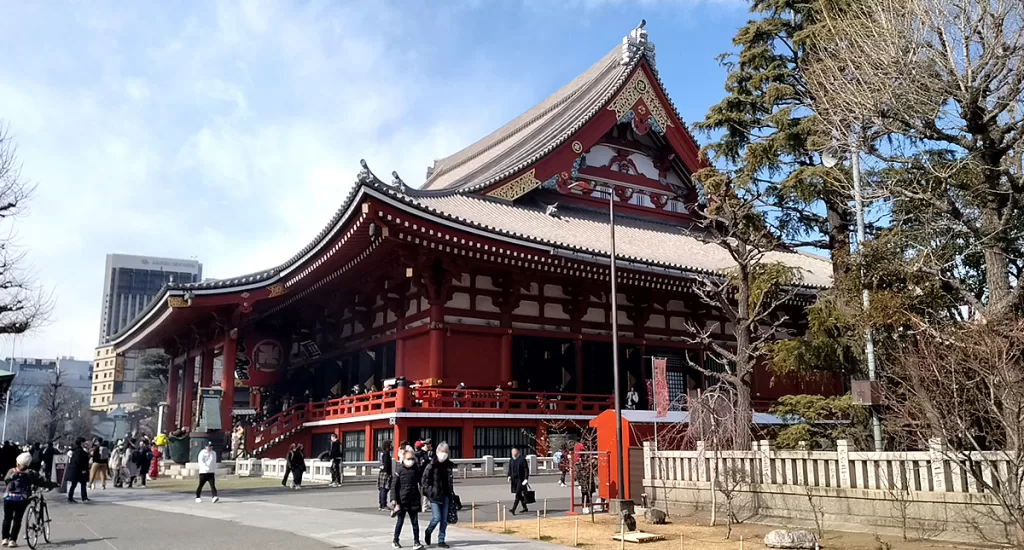
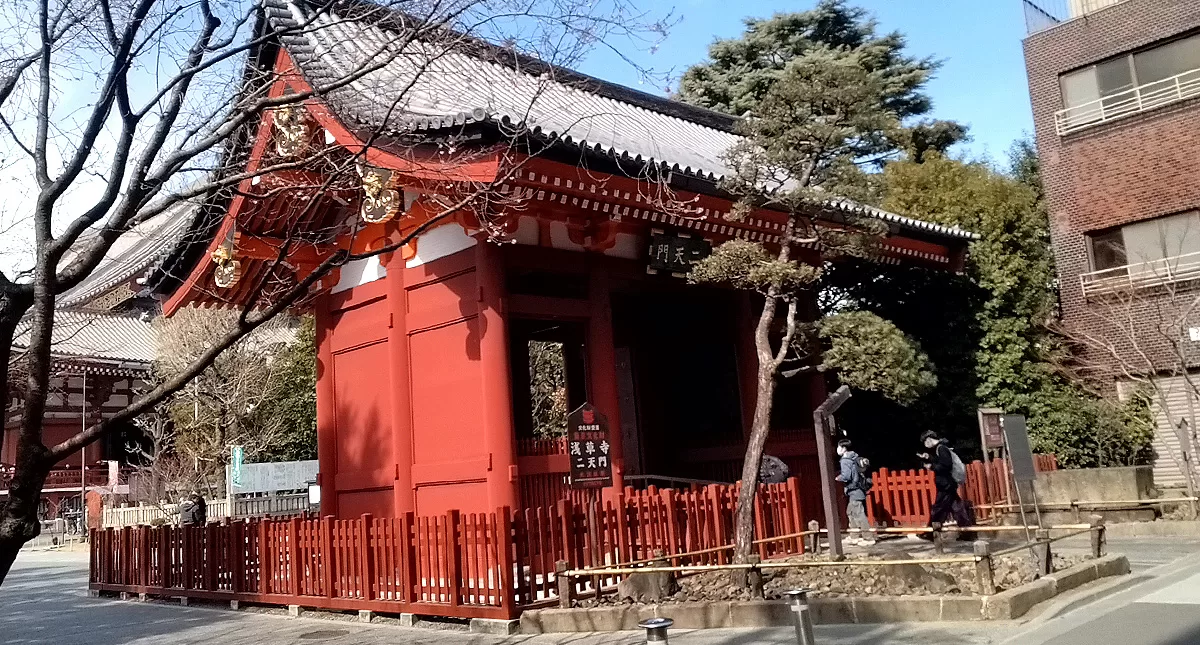
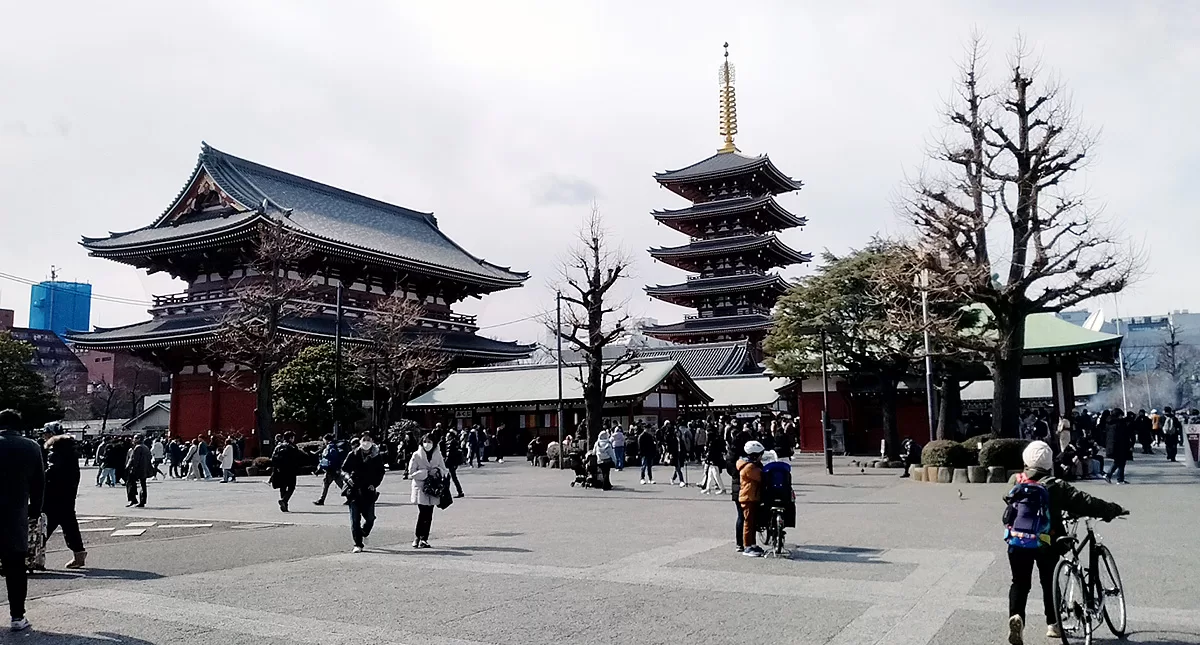
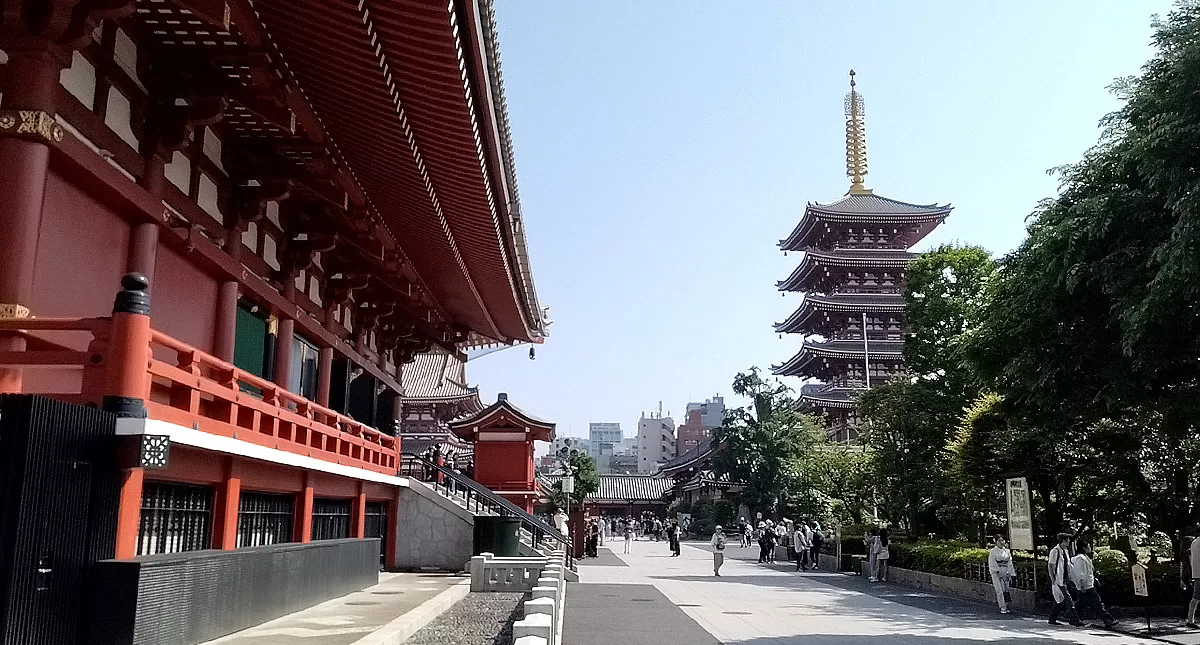
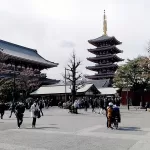
2025年2月下旬 二天門(にてんもん)側から撮影
Sensoji Temple : Asakusa, Taito Ward, Tokyo – センソウジ (東京都台東区浅草 : 浅草寺) –
Sensoji Temple: Taito Ward, Tokyo
Address: 2-3-1 Asakusa, Taito-ku, Tokyo 111-0032
[Railroad]
Tobu Skytree Line: 5 minutes walk from Asakusa Station
Tokyo Metro Ginza Line: 5 minutes walk from Asakusa Station
Tsukuba Express: 5 minutes walk from Asakusa Station
Toei Subway Asakusa Line: 5 minutes walk from Asakusa Station A4 exit
*There is no parking lot at Sensoji Temple.
Please use the Taito Ward Kaminarimon Underground Parking Lot or other nearby parking lots.
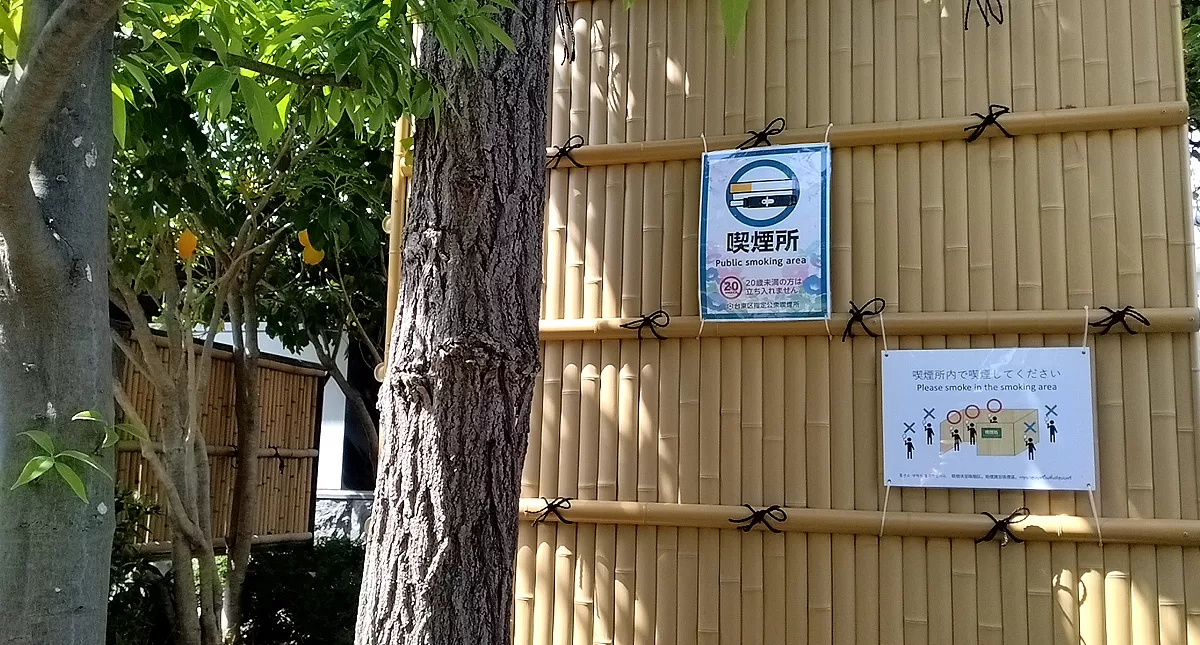
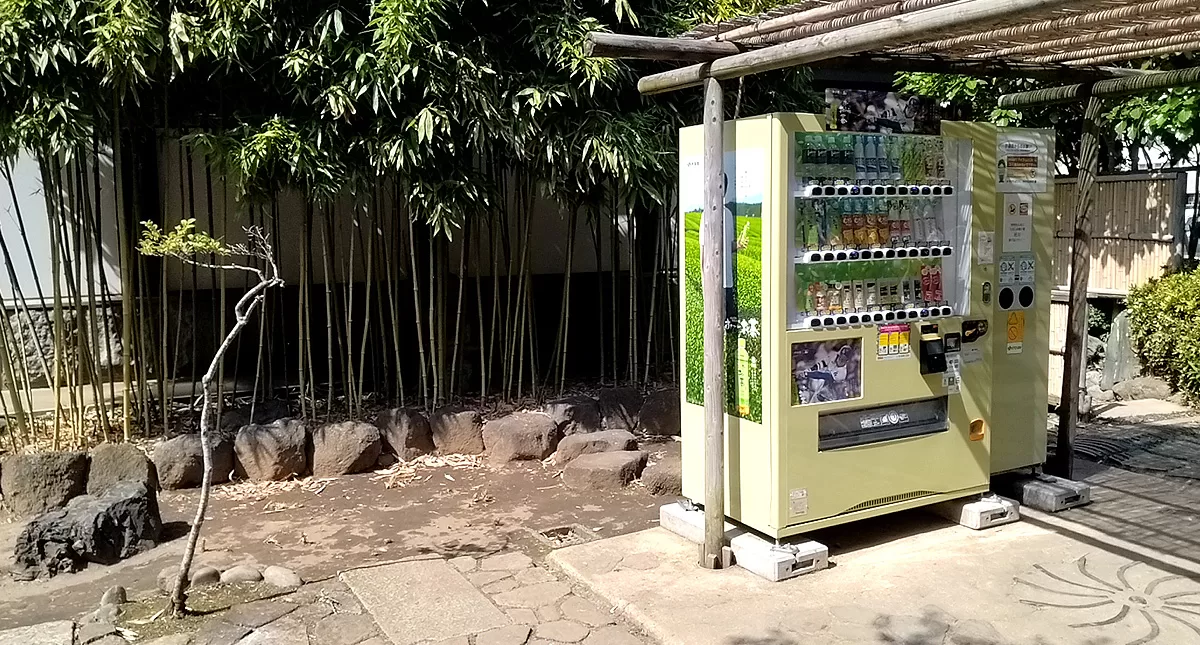
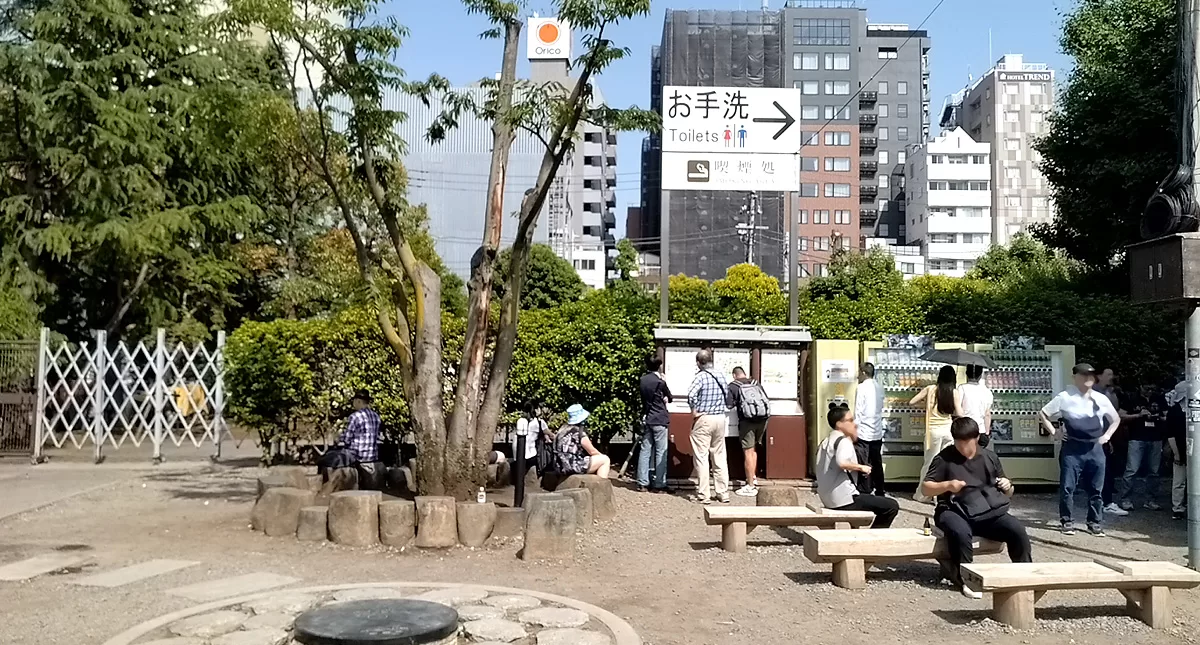
Toilet and smoking area available
Although it is one of Japan’s most famous tourist spots, I find myself just passing by the main hall about once a month.
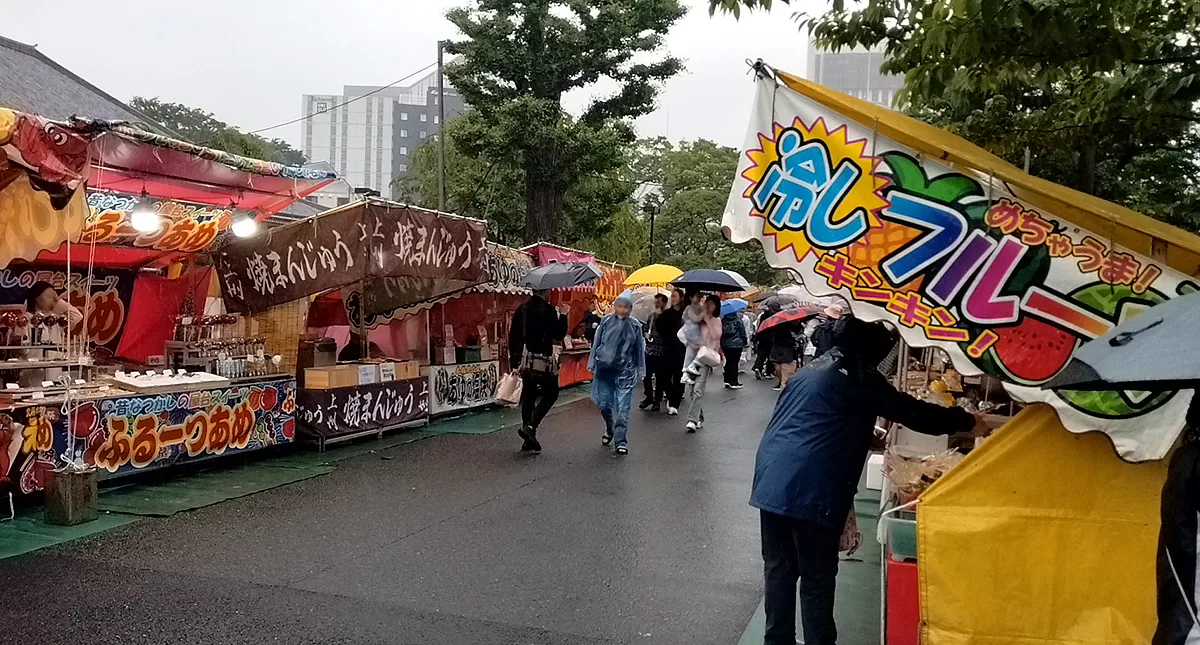
There are many tourists not only on weekends but also on weekdays and when it rains.
The only time it was quiet was during the coronavirus outbreak.(;^ω^)
This is a spot that I should have featured on my site sooner, but the posting is late because I wasn’t very interested in it until I launched my site, and it was just a pass for me.
I looked into it again.
Sensoji Temple is the oldest temple in Tokyo, located in Asakusa 2-chome, Taito Ward, and is officially called Kinryuzan Sensoji Temple(金龍山浅草寺).
As the principal image is the Bodhisattva Kannon, it is known as Asakusa Kannon, and its mountain name is Kinryuzan(金龍山).
[*Mountain name (sango:山号) is a title given to Buddhist temples.]
Originally it belonged to the Tendai sect, but in 1950 it became independent and became the head temple of the Sho Kannon sect. It is the only temple in Tokyo that is part of the Bando Thirty-three Kannon temples, and the first of the Edo Thirty-three Kannon temples.
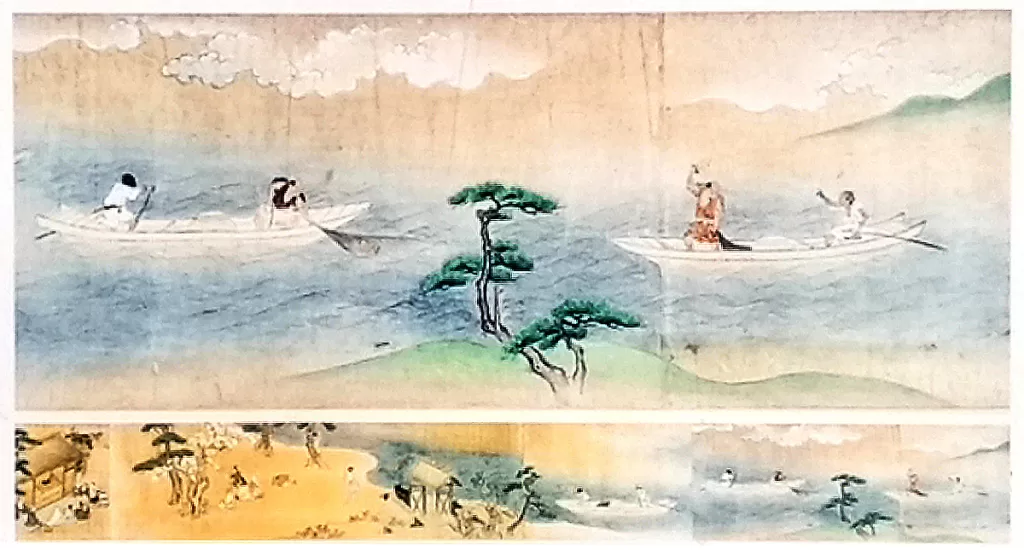
「浅草寺縁起」寛文2年(1662年) 浅草寺所蔵、寺院内看板より
“Sensoji Engi(浅草寺縁起)” is a book that compiles the origins of the founding and history of Sensoji Temple.
The Sensoji Engi, created in 1662 (Kanbun 2), is said to be mainly composed of Buddhist descriptions and a literary section that describes the legend behind the founding of Sensoji Temple.
The history of Sensoji Temple dates back to the Asuka period (628), when the brothers Himejima Hamanari and Takenari were fishing in the Sumida River and picked up a statue of Kannon that had been caught in their net.
As a result of this incident, the local leader, Nakatomo Hajime, remodeled his house into a temple and founded Sensoji Temple.
Later, during the Heian period, Taira no Kinmasa answered the prayer, constructed the seven halls, and Sensoji Temple gained even more faith.
During the Edo period, it became a prayer temple for the Edo Shogunate, and Asakusa developed into an entertainment district for the common people, with Sensoji Temple becoming its symbol.
Major historical events at Sensoji Temple
Asuka period (592-710) 628: Discovery of the Kannon statue and founding of Sensoji Temple.
Heian period (794-1185): Construction of the seven halls by Taira no Kinmasa.
Edo period (1603-1868): It became a prayer temple for the Edo Shogunate, and Sensoji Temple became an object of faith for the common people.
Meiji period (1868-1912): The temple grounds are designated as a park and Nakamise-dori street is transformed into a modern shopping street.
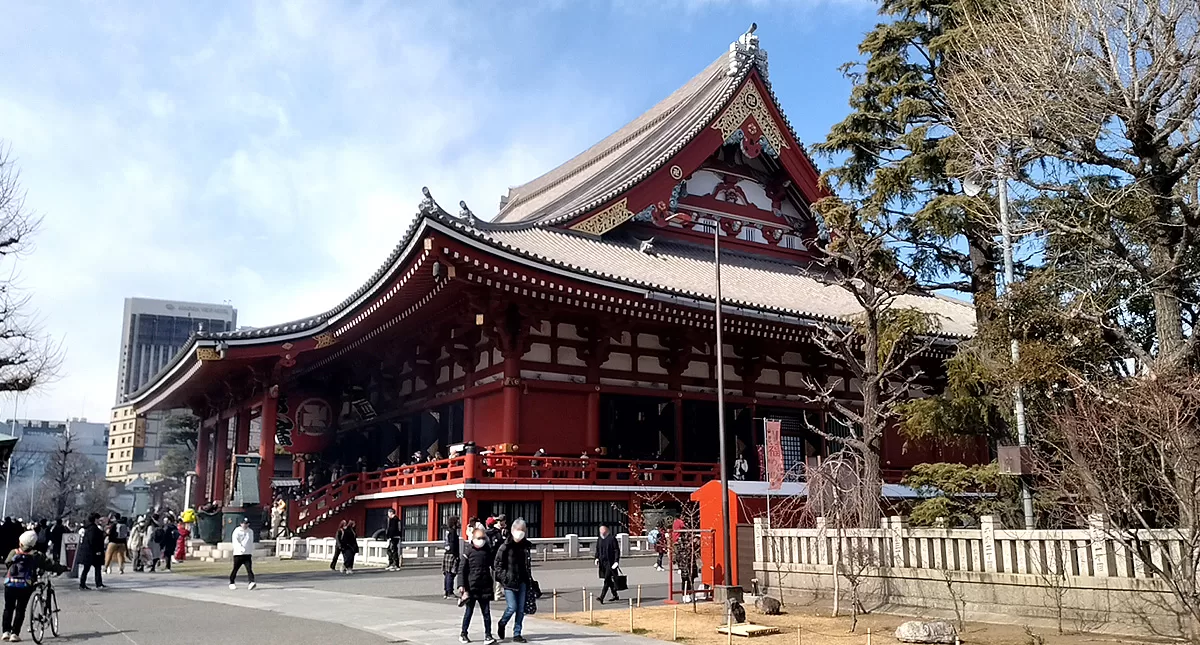
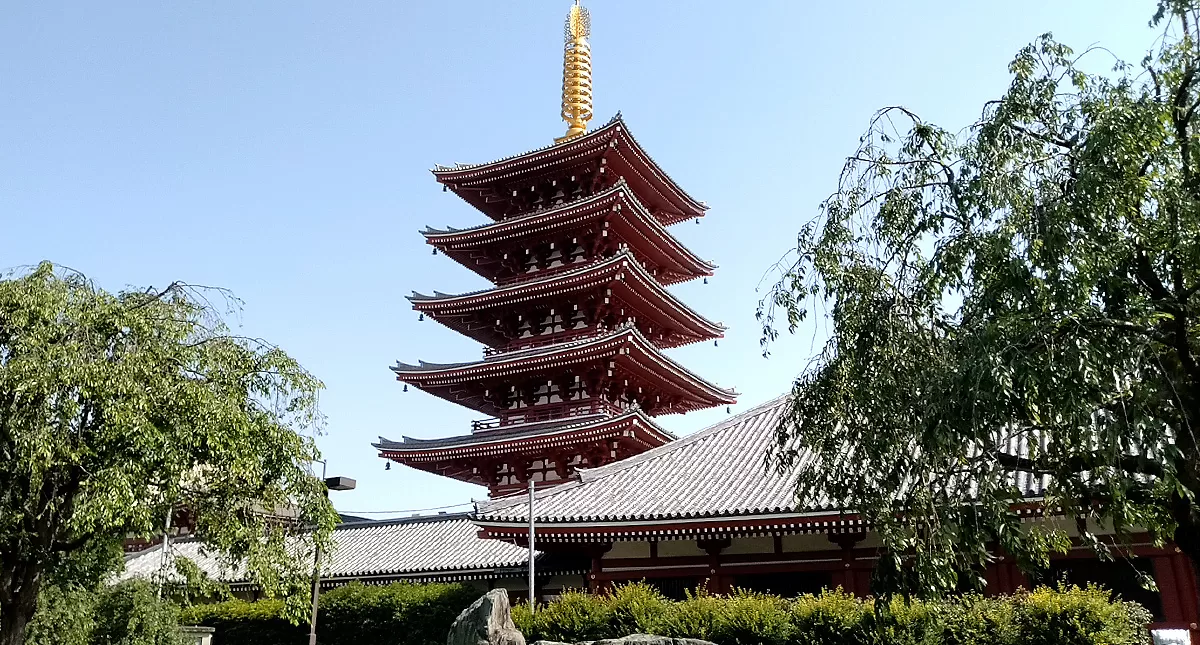
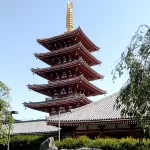
Showa period (December 25, 1926 – January 7, 1989): The five-story pagoda was burned down (it was burned down during the Great Tokyo Air Raid on March 10, 1945), and the current main hall was rebuilt.


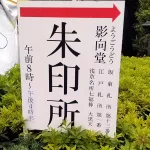


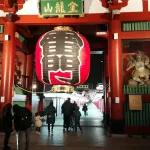
Goshuin (stamp of a temple):御朱印
The red seal is a proof of your visit, and Sensoji Temple issues them from 8:00am to 4:30pm (special hours are given on New Year’s Day and the 46,000th day of the year).
At Sensoji Temple, we give out goshuin stamps of the principal deity and Daikokuten, one of the Seven Lucky Gods of Asakusa.
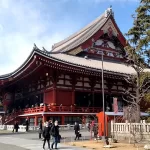
Applications are accepted at Kagekido Hall, located on the west side of the main hall (left side as you face the hall).
At Kagekido(影向堂), we also provide goshuincho (stamp books), so please ask if you would like one.
Goshuin Stamp ~ ゴシュイン (御朱印)~Posts
I told you.
It is recommended to have separate stamp books for shrines and temples.
I bought a white maki-e goshuincho (stamp book) for the temple!(=゚ω゚)ノ
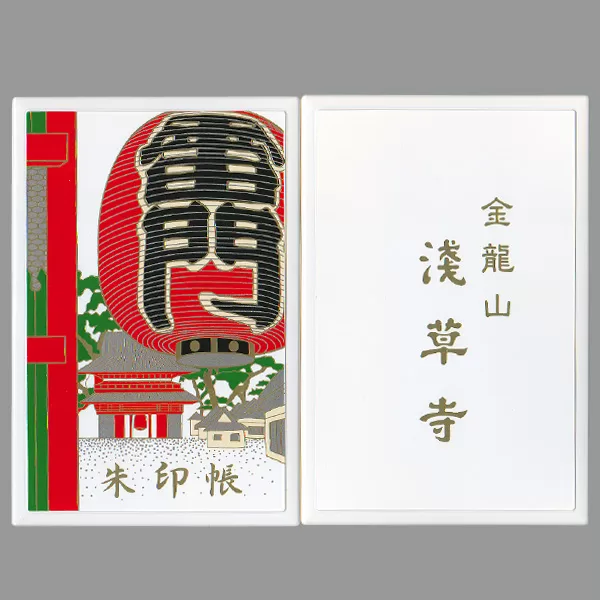
Makie Goshuincho:蒔絵御朱印帳 (White:白)
May 2025, ¥5000.
There are two types of Makie(蒔絵) Goshuincho: vermilion and white.
It seemed very expensive to me, but I have passed by the main hall dozens of times and thought I would never again get a temple goshuin notebook in my life, so I bought it.
When I got home and looked at it closely I could see that it was very well made.
This stamp book is decorated with Makie(蒔絵), a traditional Japanese craft, and has been painstakingly crafted one by one by skilled artisans.
When I bought a goshuincho in May 2025, there were five types available, ranging from 3,000 to 5,000 yen. If you can’t afford it, you can also purchase a notebook at Asakusa Shrine, located to the right of the main hall as seen from Kaminarimon. (May 2025: 1,500 to 2,000 yen)
It might be a good idea to find a goshuin notebook that suits your taste.
Asakusa Shrine(浅草神社)Goshuin book
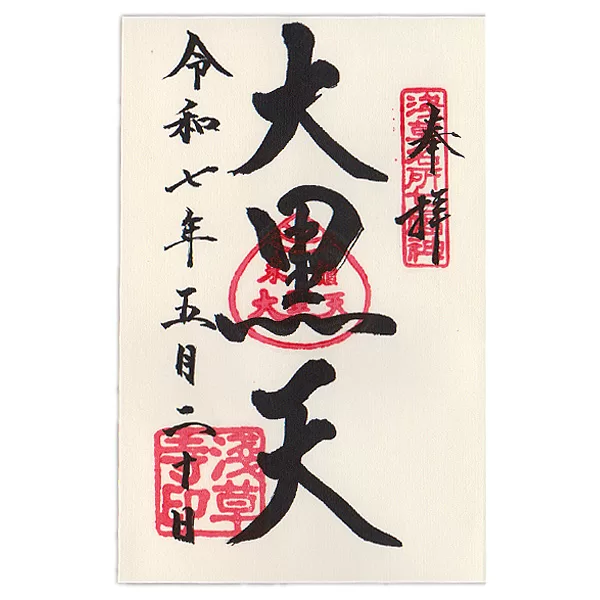
Goshuin: Daikokuten(大黒天)
Daikokuten is one of the Seven Lucky Gods and is widely known as the god who brings wealth and good fortune.He was originally said to have been a god of destruction in Hindu mythology, and was later assimilated with Okuninushi no Mikoto of Japanese Shintoism to become what we know today.
He is usually depicted holding a magic mallet, carrying a large sack on his back, and standing on a bale of rice.
For more information about the temple, please see the website of Sensoji Temple of the Shokannon sect.
https://www.senso-ji.jp/Shokannon sect Asakusa Kannon Senso-ji Temple: Home page
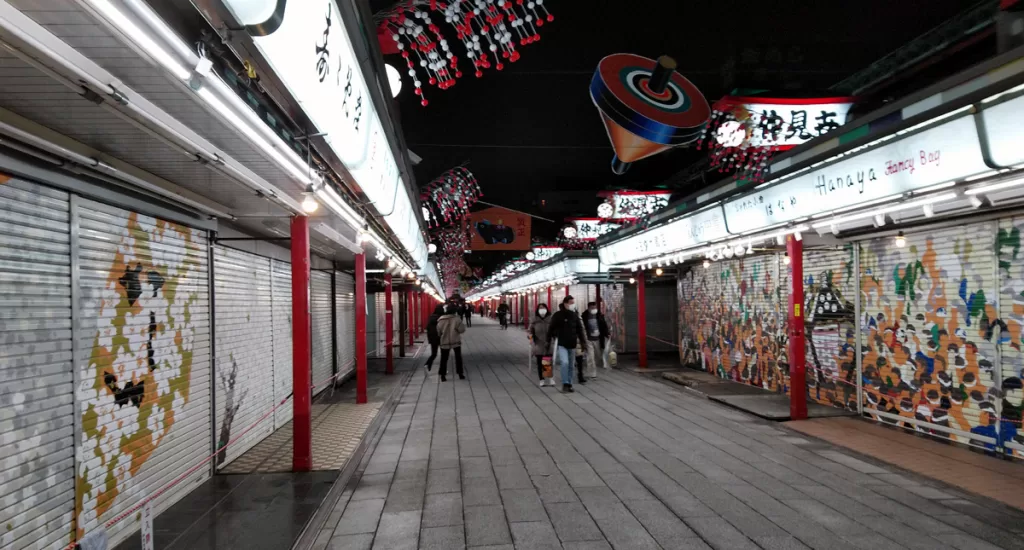
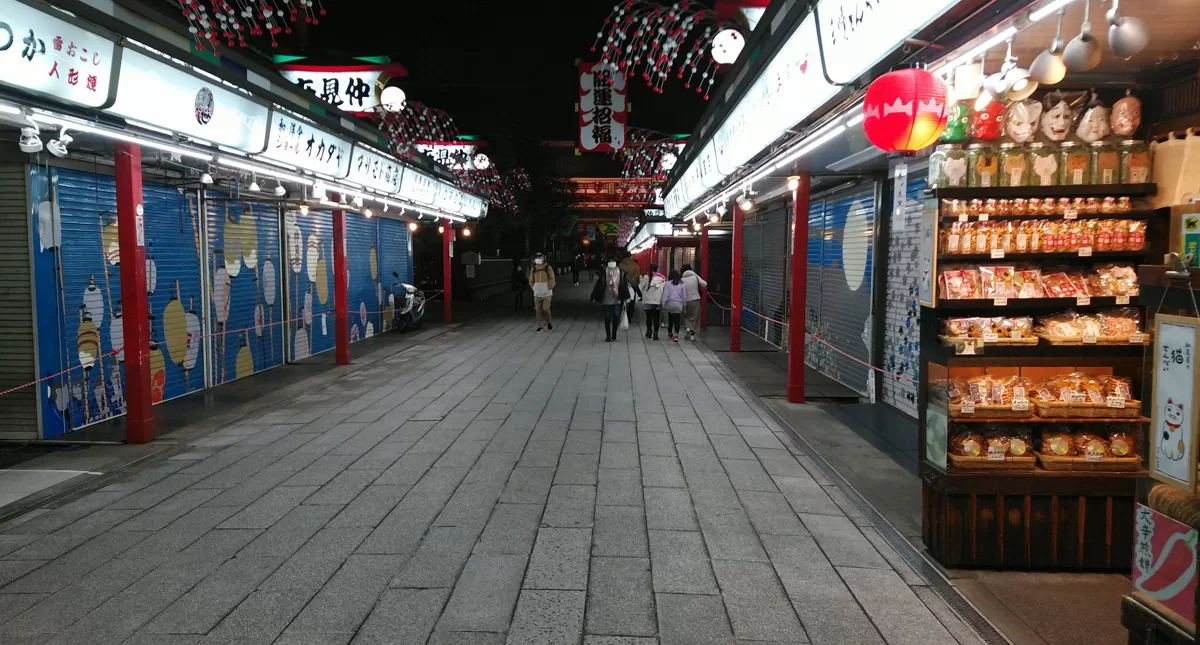
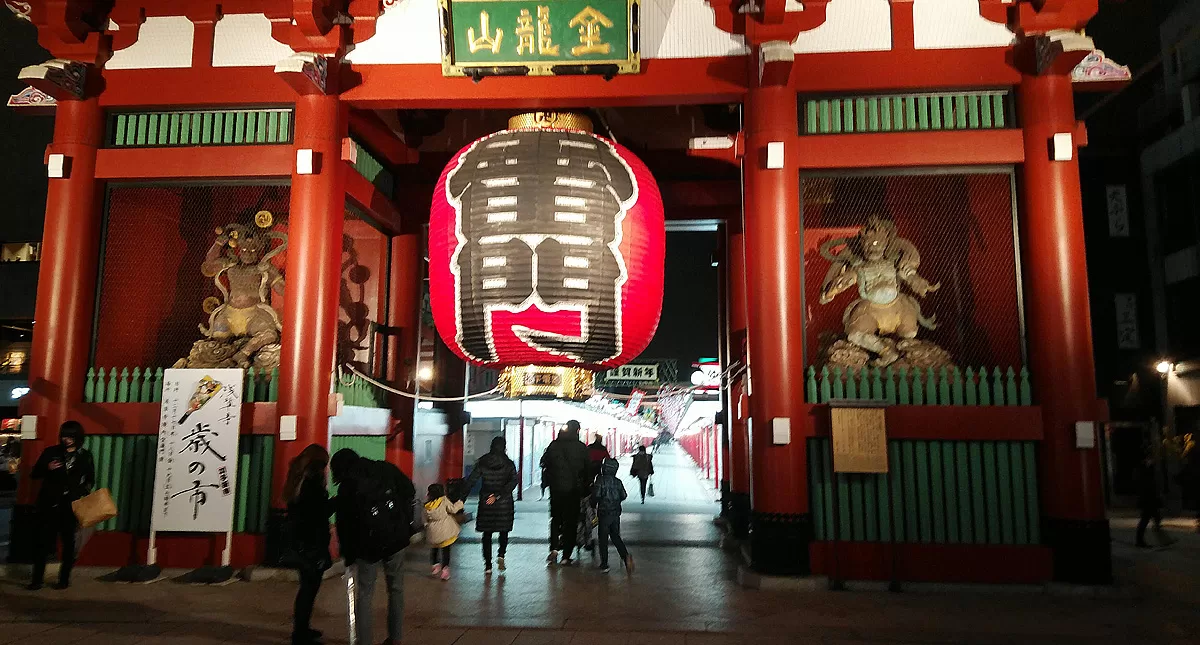
2020年12月初旬:19時頃撮影
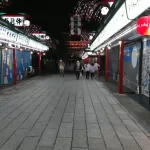
At night, Nakamise Street becomes completely quiet and different from the bustling atmosphere of the daytime.
It’s a tourist spot, and most of the shops close at 7pm, with their shutters down, giving the area a completely different look than it does during the day.
After closing time on Nakamise Street, the paintings on the shutters catch your eye.
It depicts the scenery and traditional performing arts of Asakusa, making it a fun way to spend an evening stroll.
Sensoji Temple and Kaminarimon Gate are lit up at night, creating a fantastical atmosphere that is different from the daytime.
Eating while walking is prohibited on Nakamise Street.
Since there are fewer people around at night, in particular, customers are advised to eat any purchases they make in front of the store or take them home.
Sensoji Temple is open 24 hours a day, but there are only a limited number of 24-hour establishments where you can eat and drink, and there are very few in Asakusa.
Do some research and enjoy Asakusa at night, or head to Ueno where there are many shops that are open late into the night.
Asakusa is a very convenient and familiar area for me, and I have been visiting it for over 20 years.
It is changing little by little with the times, but I think it is a town that is changing while preserving its culture, and it is also a town that I would rather not see change too much.
I hope you will enjoy Asakusa with your own sensibilities.
Thank you for watching.