
このサイトはアフィリエイト広告を利用しています。 This site uses affiliate advertising.
Japanese
ジャパニーズ(日本語)
Japanese is difficult to learn because it uses hiragana, katakana, kanji, and roman letters.
日本語はひらがな、カタカナ、漢字、ローマ字を使うので覚えるのは難しいです。
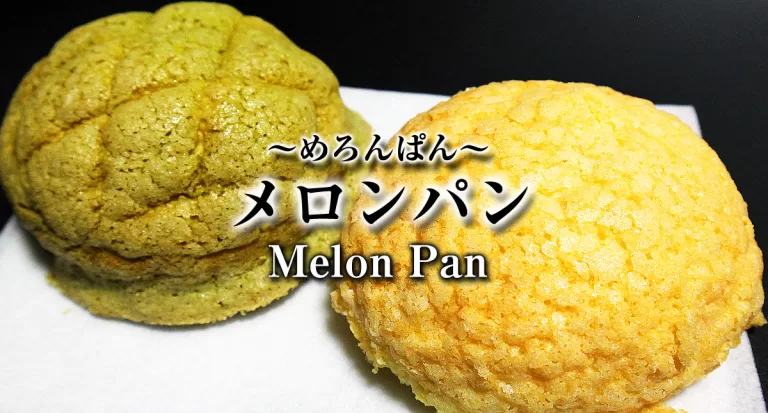

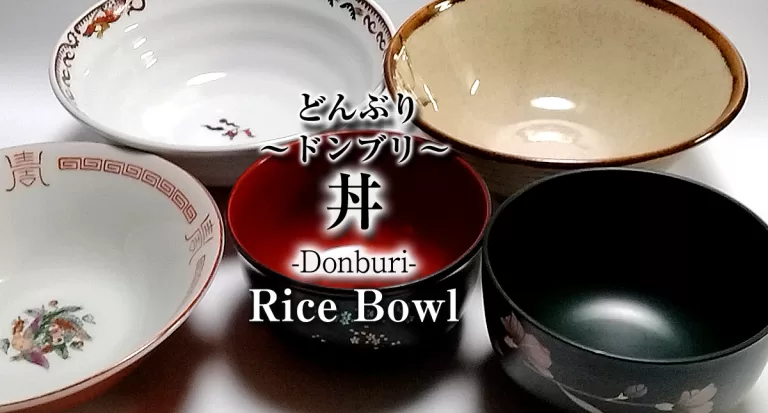


The category is “Japanese” because the Japanese translation is Nihongo(日本語), Nihonjin(日本人), Hōjin(邦人), Wajin(和人), Nihon Gawa (Japan side:日本側), etc.
I thought that if I ever came to Japan, it would be worth sharing the Japanese language and the Japanese way of thinking.
(I was born and raised in the Kanto region of Japan, so I’m a completely ordinary man. Maybe my sensibilities are a little different from other Japanese people’s, but I think I’m a completely ordinary middle-aged man.)
Japanese food, especially ramen and sushi, seems to be becoming known around the world, but I think there are many countries where people who come to Japan find the sound of ramen being slurped quite unpleasant.
It is common to slurp up not only ramen, but also soba, udon, and hot tea with your mouth. This is the sensation of sucking up the soup and flavor that is attached to the noodles.
I think people in Europe and America would find it quite unpleasant.
Even as a Japanese person, I sometimes feel uncomfortable.
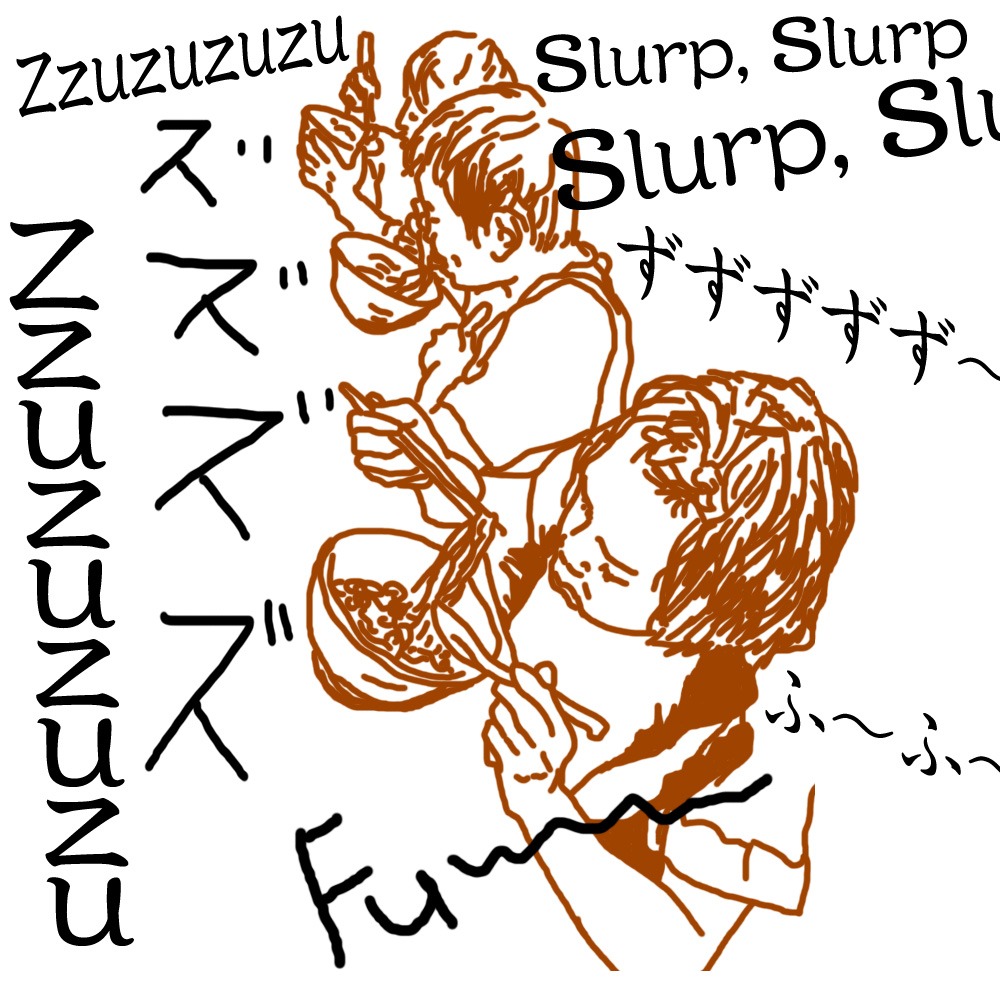
Most Japanese people, regardless of age or gender, slurp noodles when eating them.However, spaghetti noodles, which were introduced from the West, are eaten without slurping. (Depending on the restaurant and the person, some people make noise when eating.)Since it was introduced from the West, this etiquette must have been brought over as well.
If you go to a popular ramen, soba, or udon restaurant at lunchtime, you’ll be surprised at the sounds of slurping echoing all around.
Even I, as a Japanese person, find it strange that people maintain the custom of staying quiet in restaurants, yet for some reason slurp down ramen, soba, udon, tea, miso soup, etc.
Although it is customary to slurp food when eating, people who eat with their mouths open and make munching noises are frowned upon, and the same goes for burping.
I’ve heard that in some countries people frown on people sniffing their runny nose, but there are actually a lot of Japanese people who sniff their nose quite often.
In Japan, blowing your nose while eating can sometimes be seen as bad manners, and there are a lot of people with hay fever, so it may be that they can’t blow their nose every time.
Foreigners who come to Japan to eat incredibly delicious ramen, soba, udon, and other noodles in restaurants will have no choice but to overcome the “noodle harassment” that they find unpleasant when they hear the sound of people slurping.(;^ω^)
On the other hand, if I go to a stand-up soba restaurant and see foreigners (both men and women) or young working women wearing suits slurping down their zaru soba noodles, I think it’s “very stylish(IKI:粋)”.
*”Iki” is a word that means things or people that are excellent, refined, sexy, etc. (´・ω・) I don’t mean sexiness in an obscene way, but rather a cool, sympathetic feeling! That’s all I can say.
We will introduce the Japanese way of thinking, customs, and language.