Japanese Garden Kairakuen : Ibaraki Prefecture
このサイトはアフィリエイト広告を利用しています。 This site uses affiliate advertising.
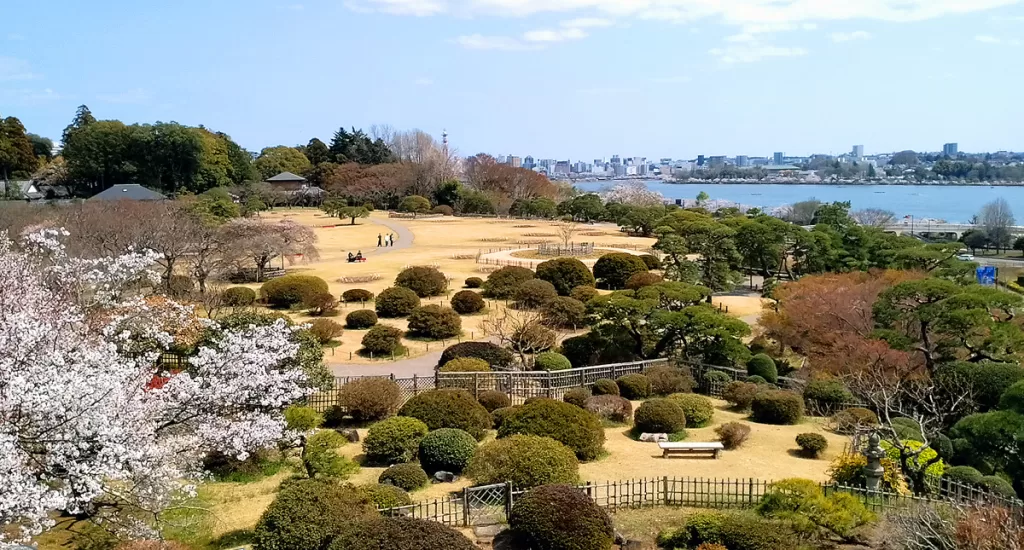
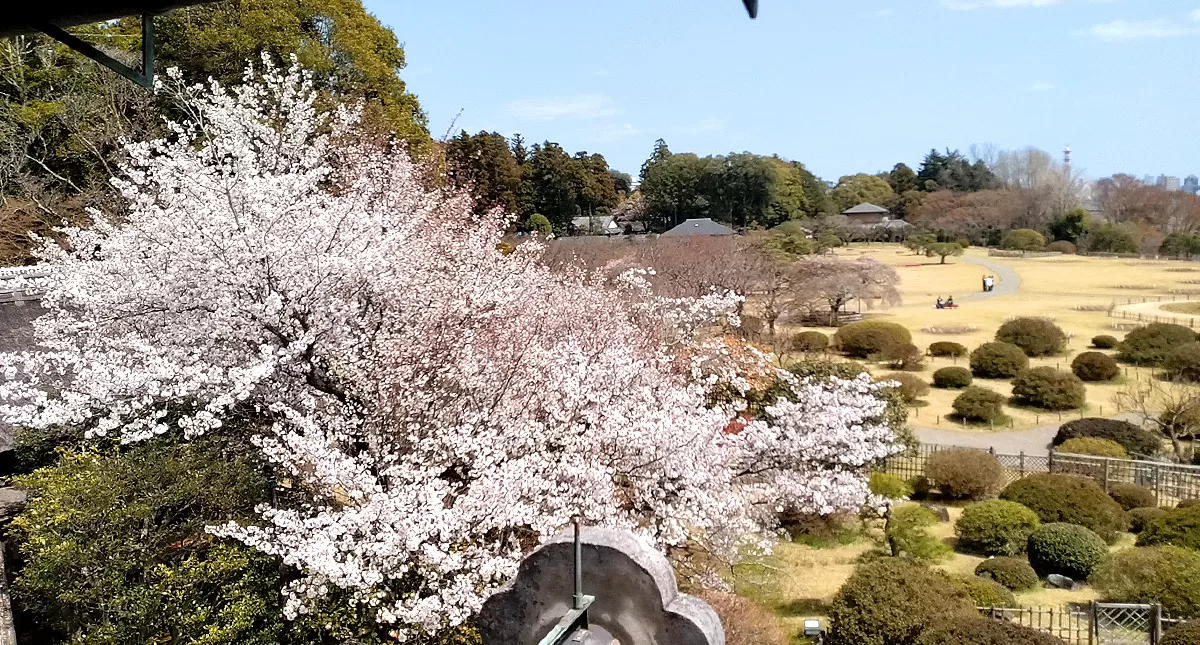
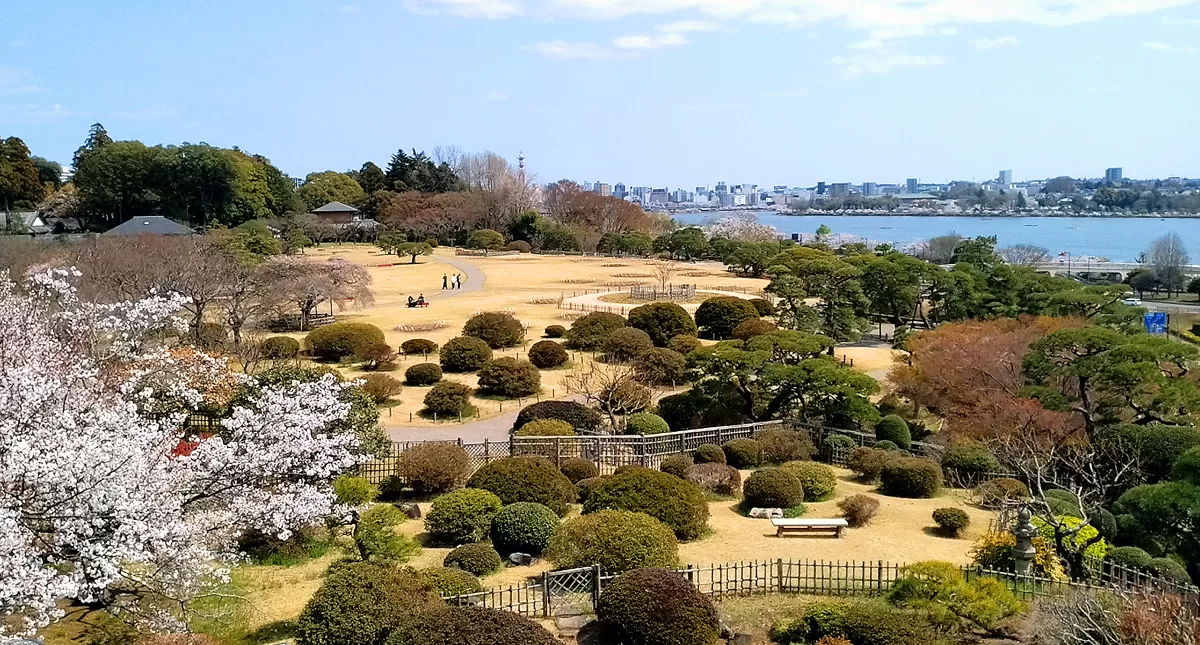
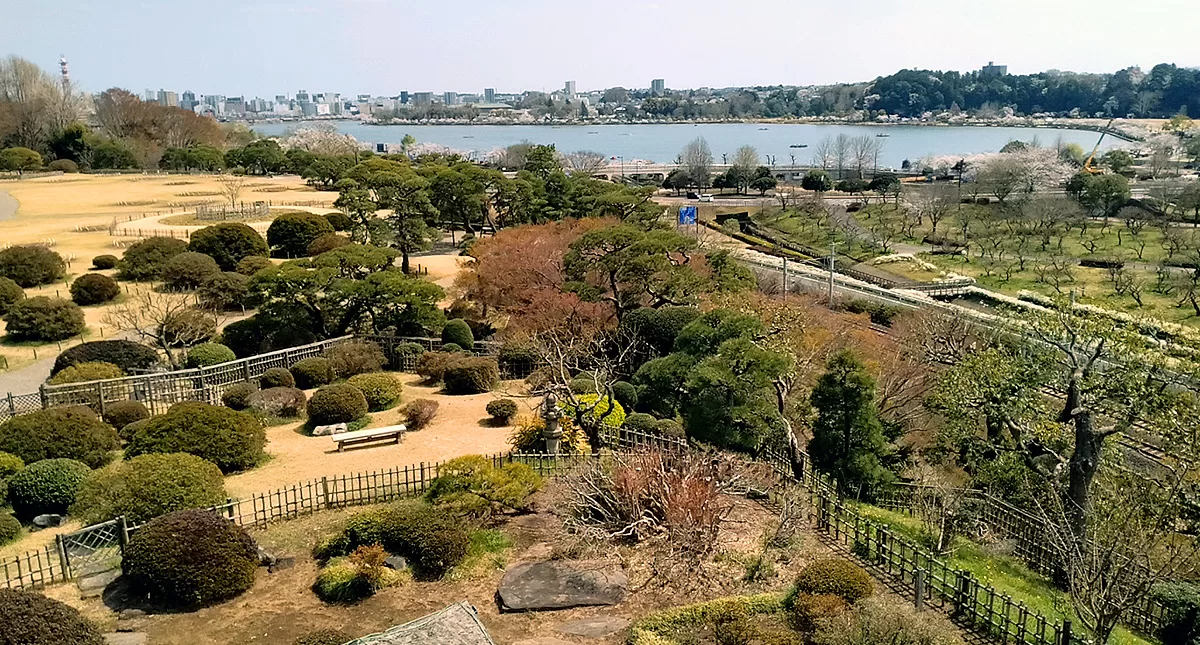
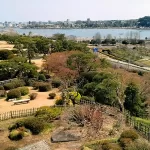
2025年 4月 初旬:偕楽園 好文亭から撮影
Japanese Garden Kairakuen : Ibaraki Prefecture – ニホンテイエン カイラクエン (日本庭園 偕楽園 : 茨城県) –
Table Of Contents
- Place – Mito City, Ibaraki Prefecture
- Features of Koraku-en Garden – Pond and strolling garden (池泉回遊式庭園) –
- Admission fees and opening hours for Koraku-en Main Garden
- Kōbuten’s admission fees and opening hours
- Kairakuen Park and its surroundings
For detailed information and important notes about Korakuen Garden and Koubuten Teahouse, please check the official website below.
https://ibaraki-kairakuen.jp/ Kairakuen Garden: One of Japan’s Three Great Gardens – Official Website
Mito City, Ibaraki Prefecture: Japanese Garden Kairakuen(茨城県水戸市:日本庭園 偕楽園)
Kairakuen Japanese Garden: Mito City, Ibaraki Prefecture
Address: 1-3-3 Joamachi, Mito-shi, Ibaraki Prefecture, 310-0033, Japan
JR Mito Station – Bus stop #4 (Mito Station North Exit) (Ibaraki Kotsu Bus) Approximately 20 minutes
Kōbuten-tei Main Gate; Kairakuen East Gate; Kairakuen Park Entrance: Approximately 3-5 minute walk
– Mito Station North Exit, Bus Stop #6 (Kanto Railway)
Approx. 20 minutes; 5-10 minute walk
JR Joban Line (Note: Only operates during the plum blossom festival period)
JR Korakuen Temporary Station is just a short walk away.
[Parking]
Parking lots available at: Kairakuen Lower Parking Lot, Jōban-jinja Shrine Parking Lot, Senba Lake West Parking Lot (fee applies), Koubuntei Main Gate Parking Lot, and Kairakuen Main Gate Parking Lot (fee applies).
Additional parking spaces are also available in the expanded area.
Kairakuen Garden in Mito City, Ibaraki Prefecture, one of the three most famous gardens in Japan, is renowned for its plum blossoms, and was established by Lord Nariaki Tokugawa (徳川斉昭公), the feudal lord of Mito, as a place for his subjects to relax and enjoy nature.
The name “Kairakuen” is said to reflect Saikyo’s desire to create a place where he could enjoy himself together with the people of his domain.
The three most famous gardens in Japan, collectively known as “Japan’s Three Great Gardens,” include Kenroku-en (兼六園) in Kanazawa, Ishikawa Prefecture, Okayama Kōraku-en (後楽園) in Okayama City, Okayama Prefecture, and Kairakuen (偕楽園) in Mito City, Ibaraki Prefecture.
The characteristics of Kairakuen Garden (in Mito City, Ibaraki Prefecture)
This garden was created by Nariaki Tokugawa during the Edo period, and it is famous for its plum blossoms.
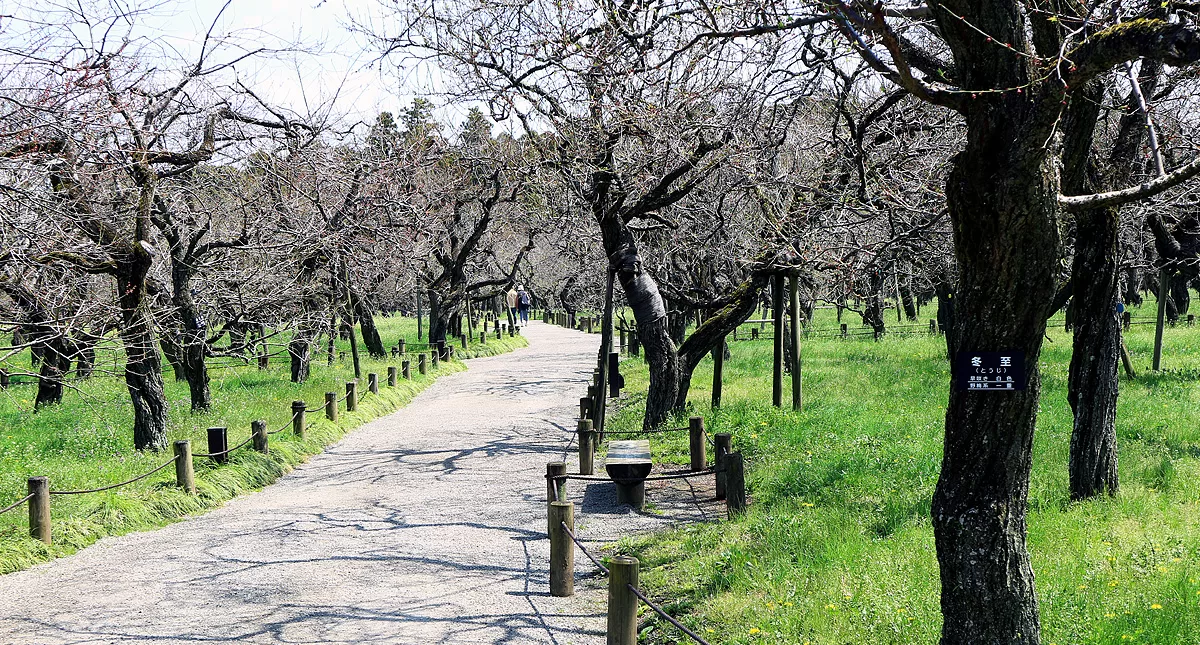
They usually bloom from mid-February to mid-March, but since the blooming period varies depending on the variety, you can enjoy them for a long period from January to March.
The early-blooming plum blossoms start to appear around mid-January, and the plum blossom festival in mid-March is the time when most varieties are in full bloom.
“Kōdōkan (弘道館) ” (a facility for learning martial arts and the arts) and “Kairakuen” (a garden designed for relaxation and rejuvenation during leisure time) were established as educational institutions with different purposes, but designed to complement each other.
Kairakuen Garden in Ibaraki Prefecture is a traditional Japanese strolling garden with a pond, and its expansive grounds are designed to express the concept of “yin and yang.”
Kairakuen Park is a traditional Japanese strolling garden, featuring a pond as its central element, designed to allow visitors to enjoy the scenery while strolling around the park.
This style was common during the Edo period and is a typical example of Japanese-style feudal lord gardens.
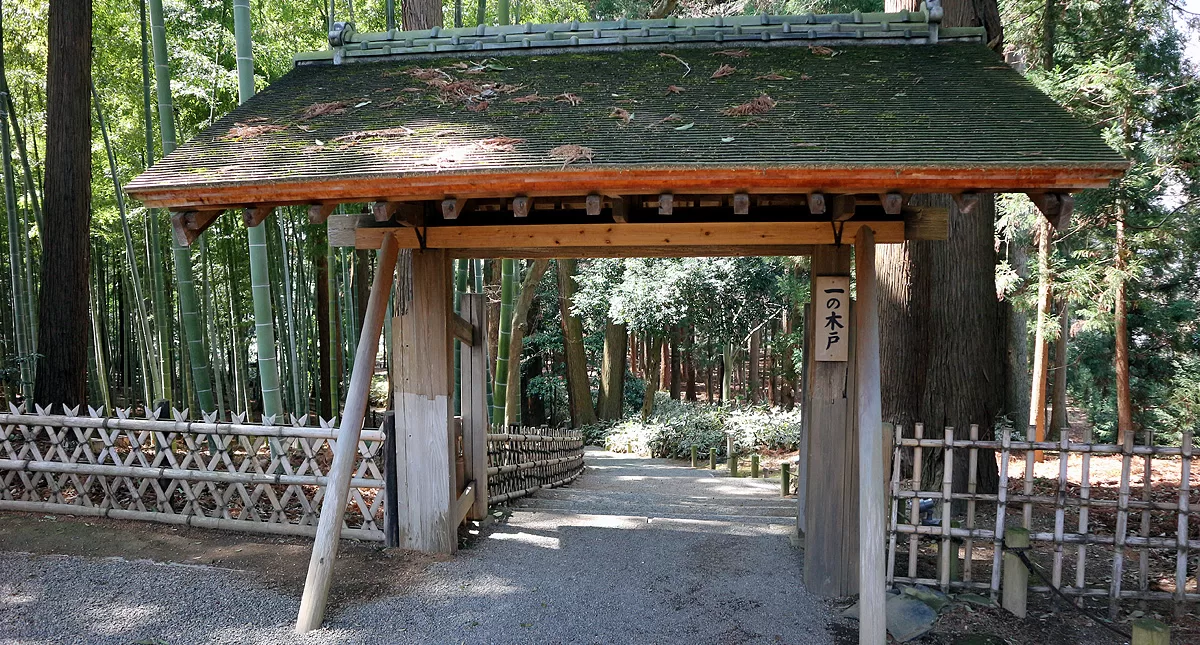
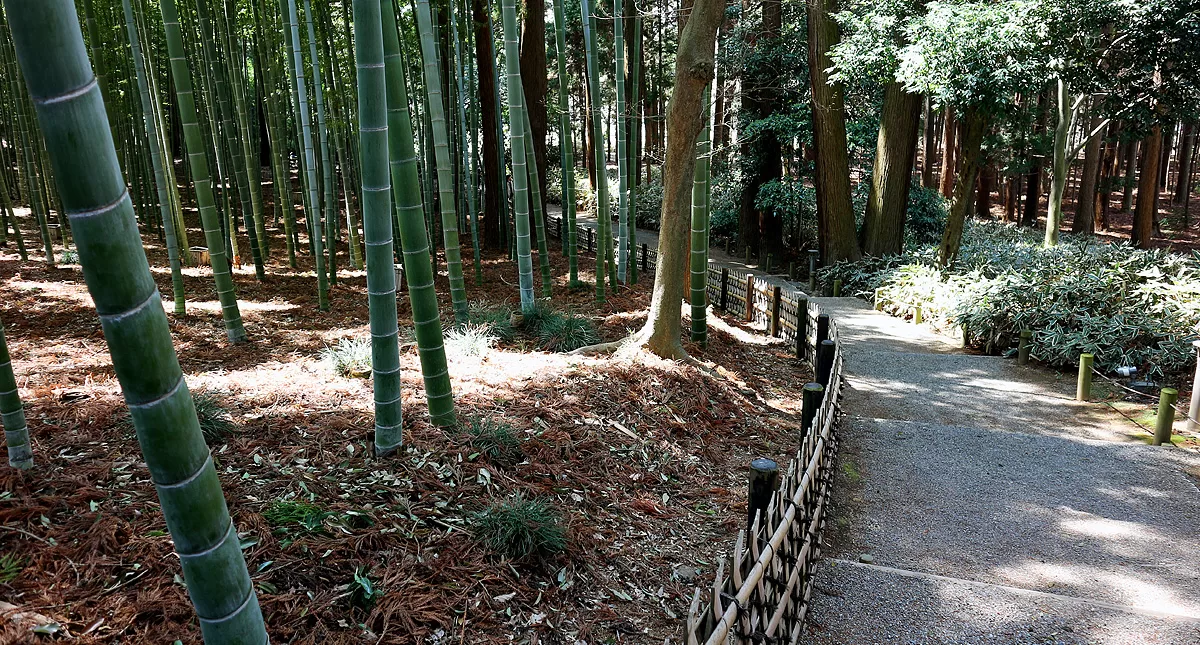
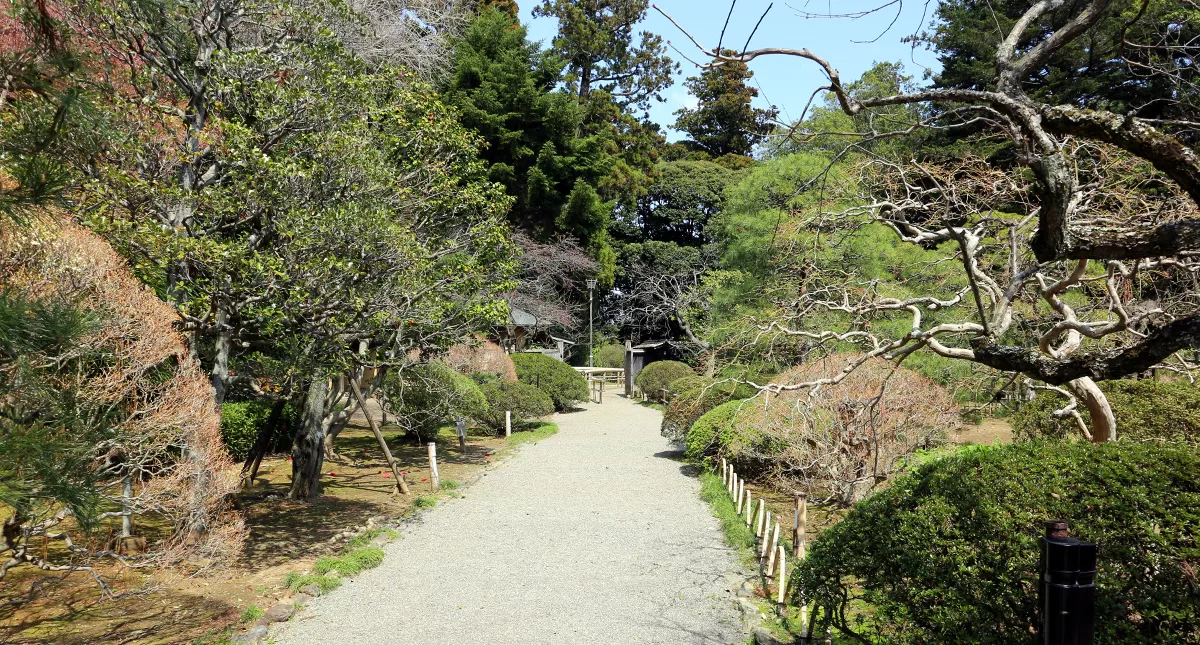
As you walk deeper into the park from the main entrance, the landscape gradually transforms from a “shaded, verdant” area with bamboo groves and cedar forests to a more open and sunny area centered around the Koubuntei teahouse; this gradual change in scenery is a major characteristic of Koraku-en Park.
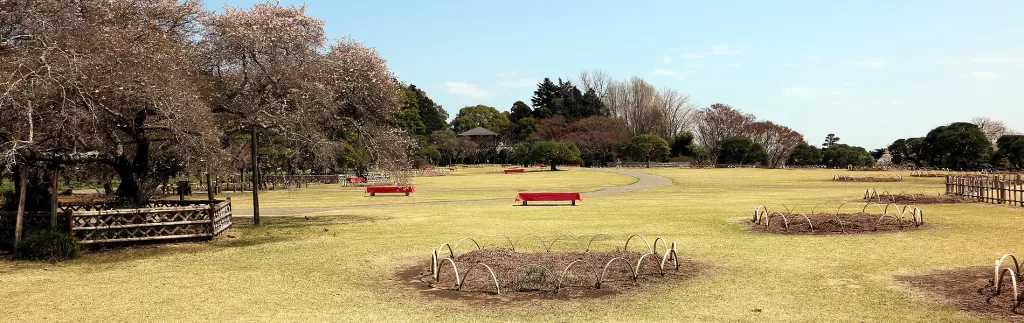
2025年 4月初旬 撮影
Utilizing the vast natural resources
The park was designed to take advantage of the natural terrain, and it features a wide variety of plants and trees sourced from all over Japan.
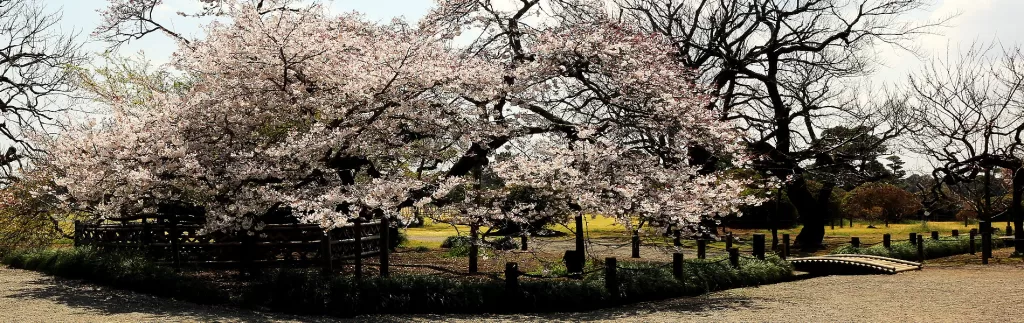
2025年 4月初旬 撮影
Seasonal plants
In spring, you can enjoy plum blossoms and cherry blossoms; in early summer, azaleas; and in autumn, wild asters and colorful autumn foliage – making it possible to appreciate a variety of flowers throughout the seasons.
natural spring water
The arrangement of natural springs, such as the Togyokusen (吐玉泉) and Yuryusen (玉竜泉) springs, is also part of the charm of Korakuen Park.
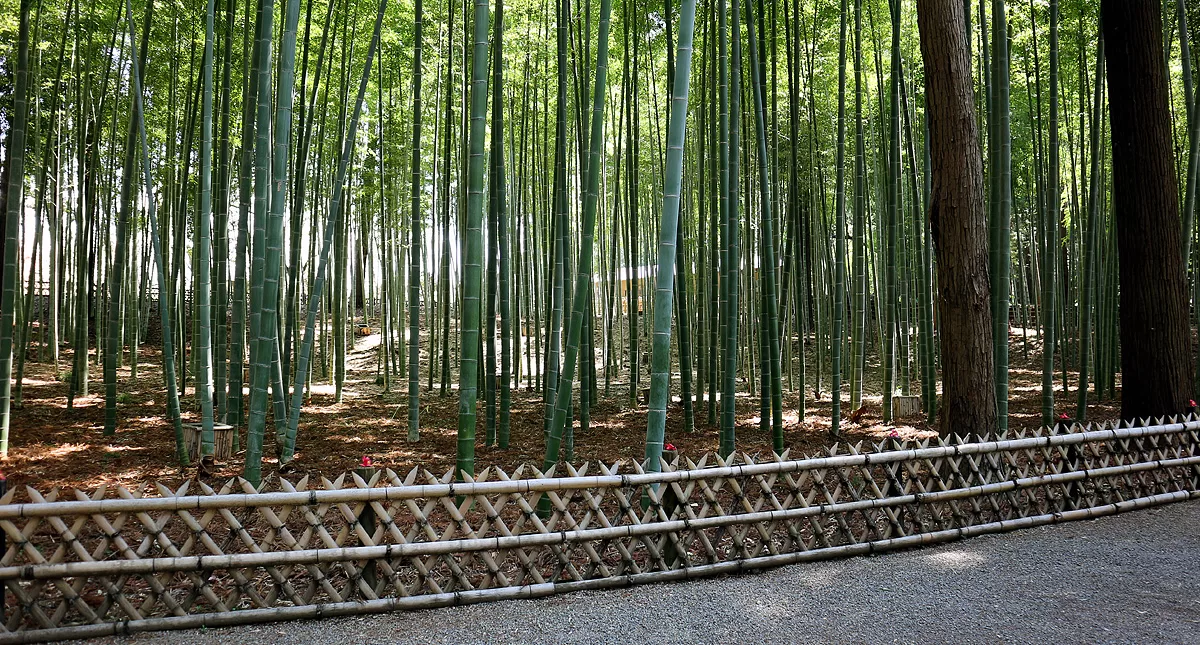
This expansive park features attractions such as a bamboo grove and the Kohuntei pavilion (separate admission fee applies), and boasts approximately 3,000 plum trees of around 100 different varieties.

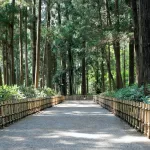
2025年 4月初旬 孟宗竹林
Admission fees and opening hours for Koraku-en (偕楽園) Main Garden
Admission Fee
Adults: 320 yen, Children: 160 yen
Group rate: Adults 240 yen, children 130 yen *Group bookings: This offer applies to groups of 20 people or more.
Mid-February to September 30: 6:00–19:00
October 1st to mid-February: 7:00 AM to 6:00 PM
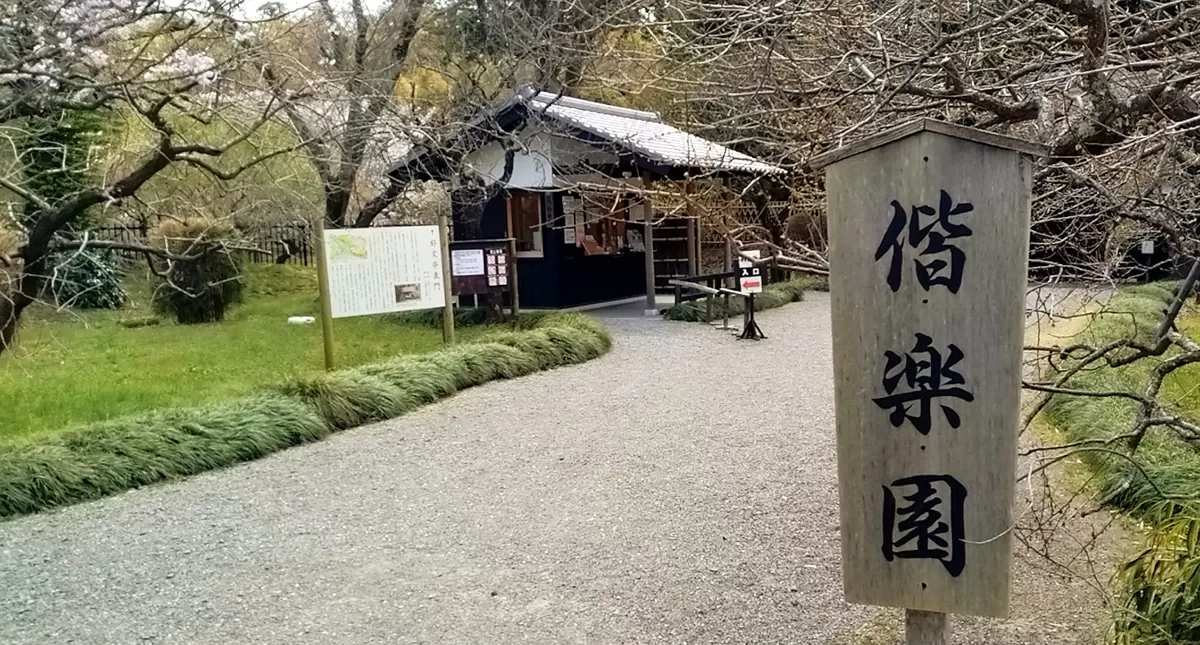
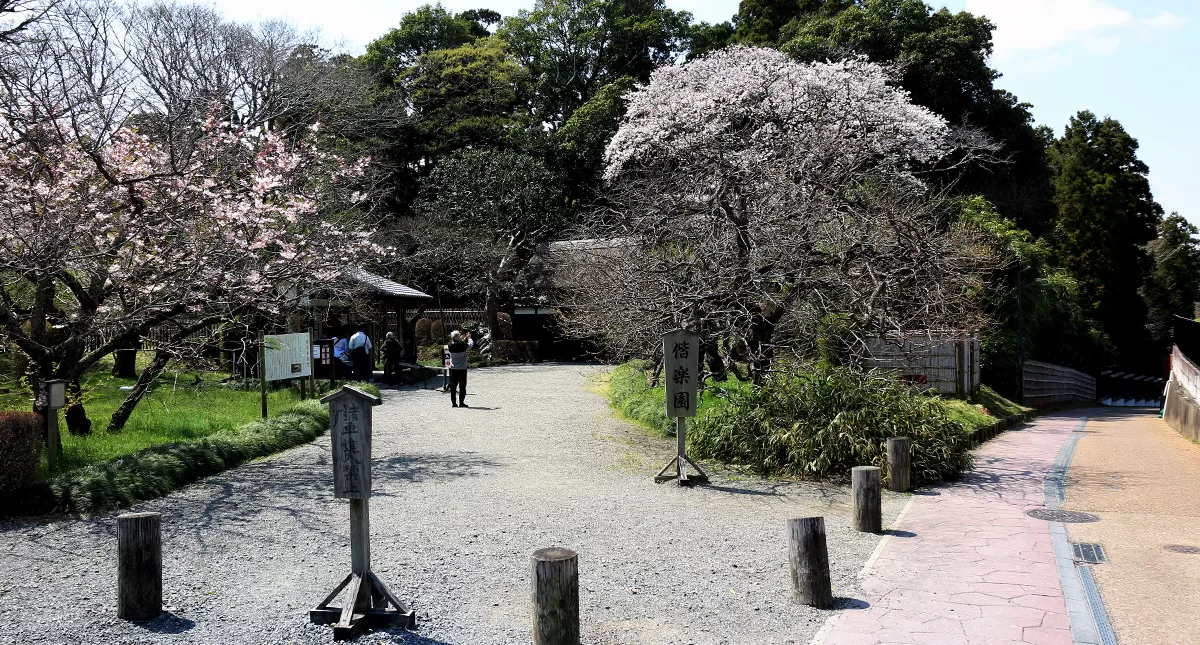
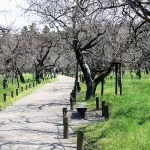
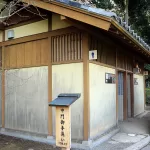
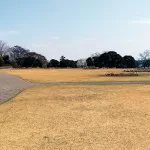
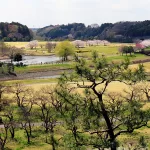
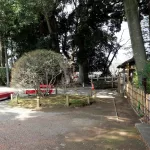
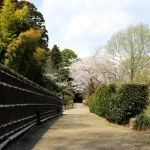
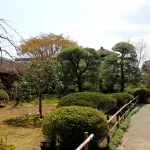
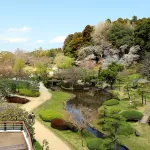
Kairakuen Park Photo Gallery
Photo taken in early April 2025

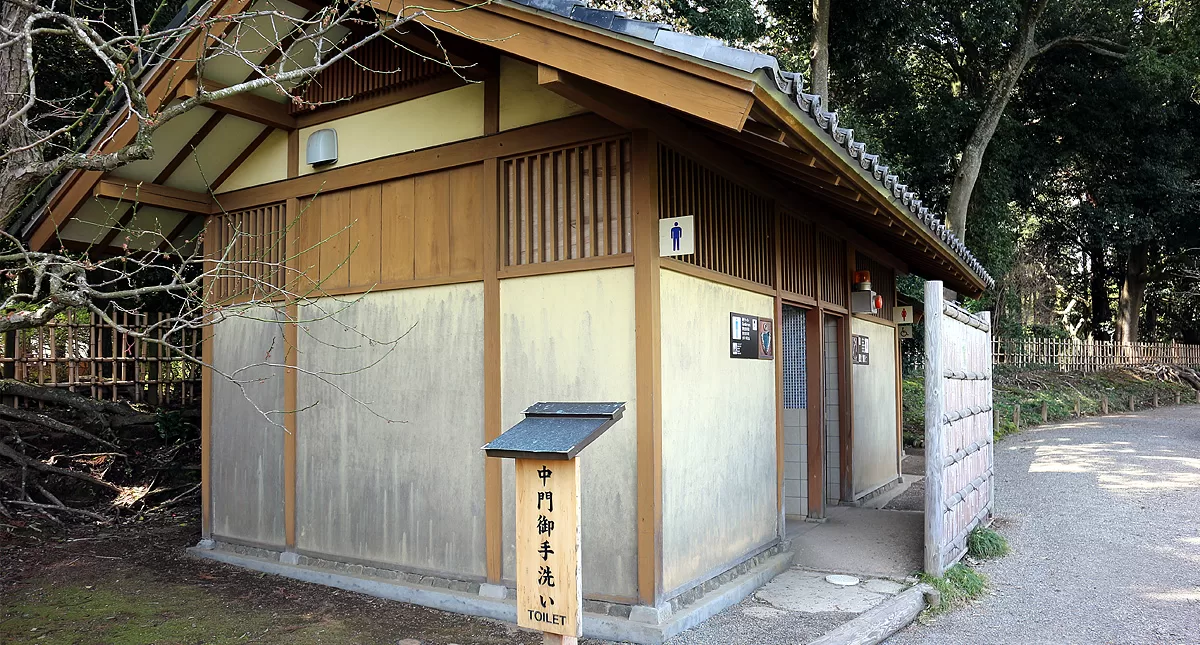

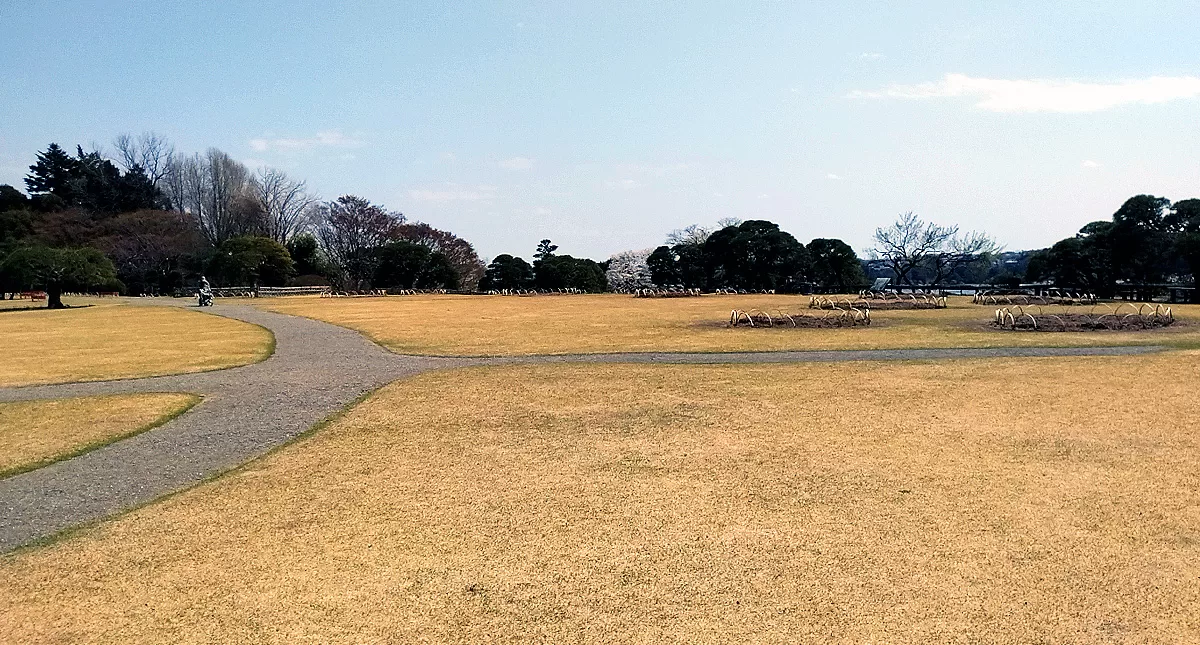
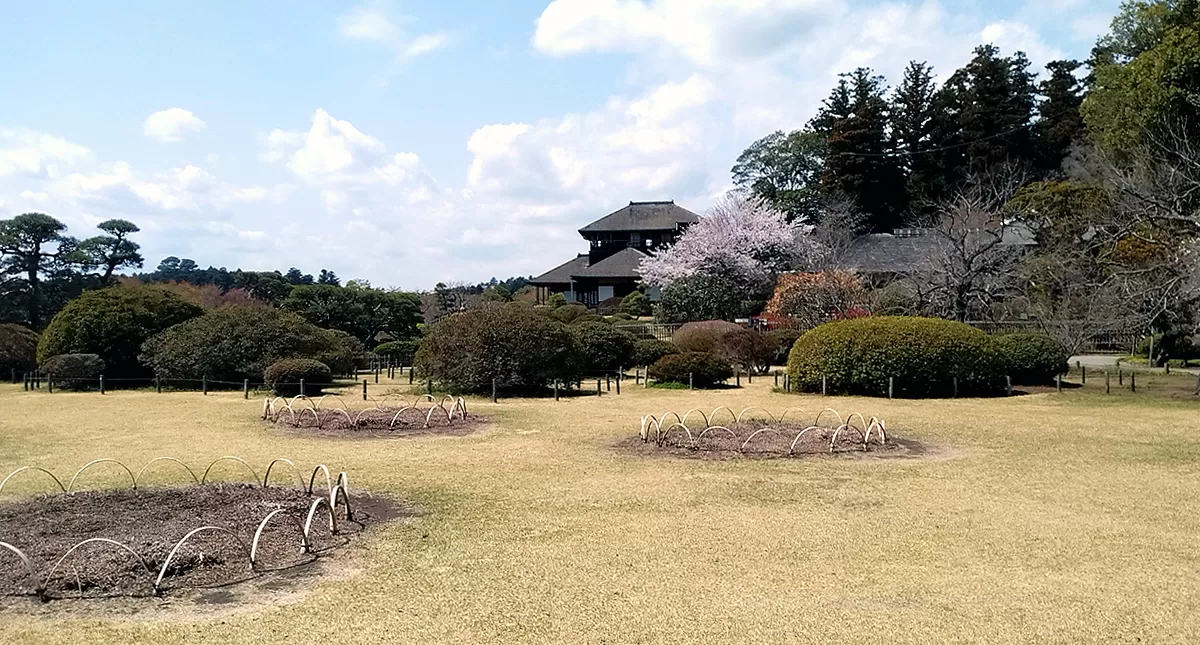

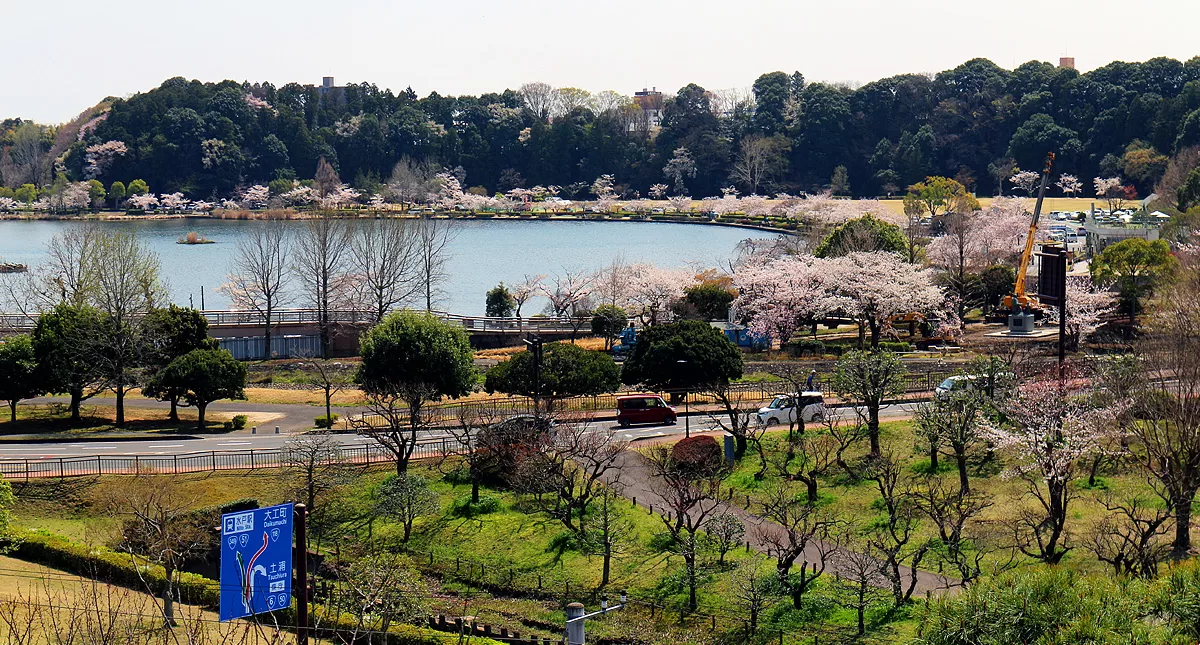
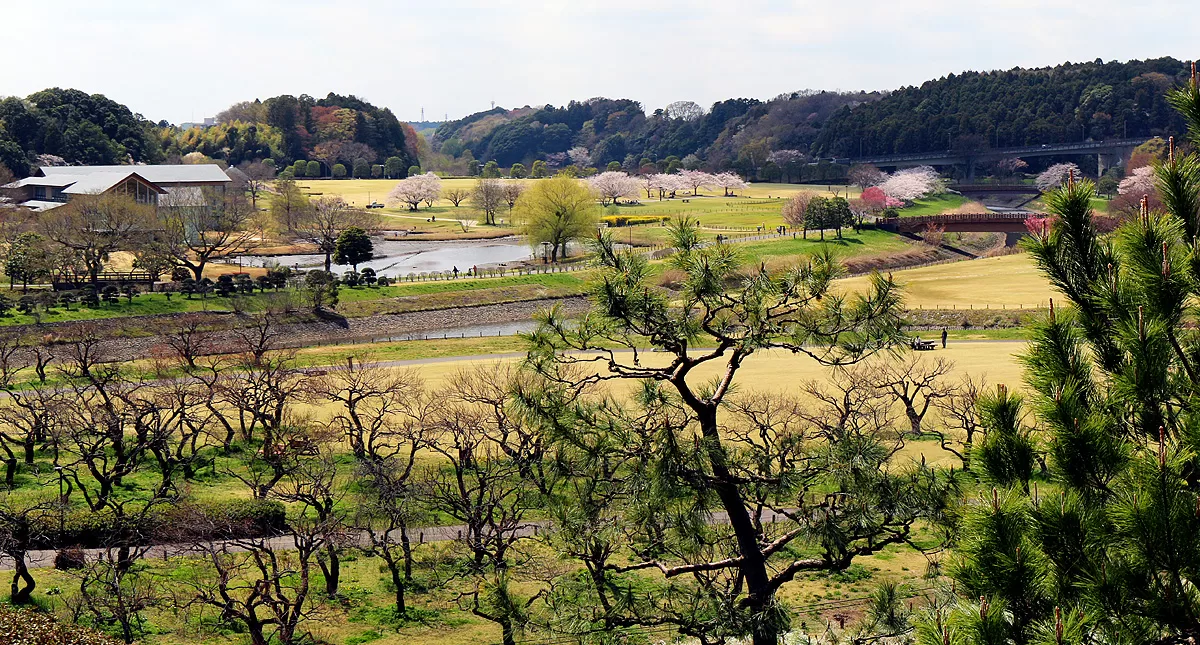
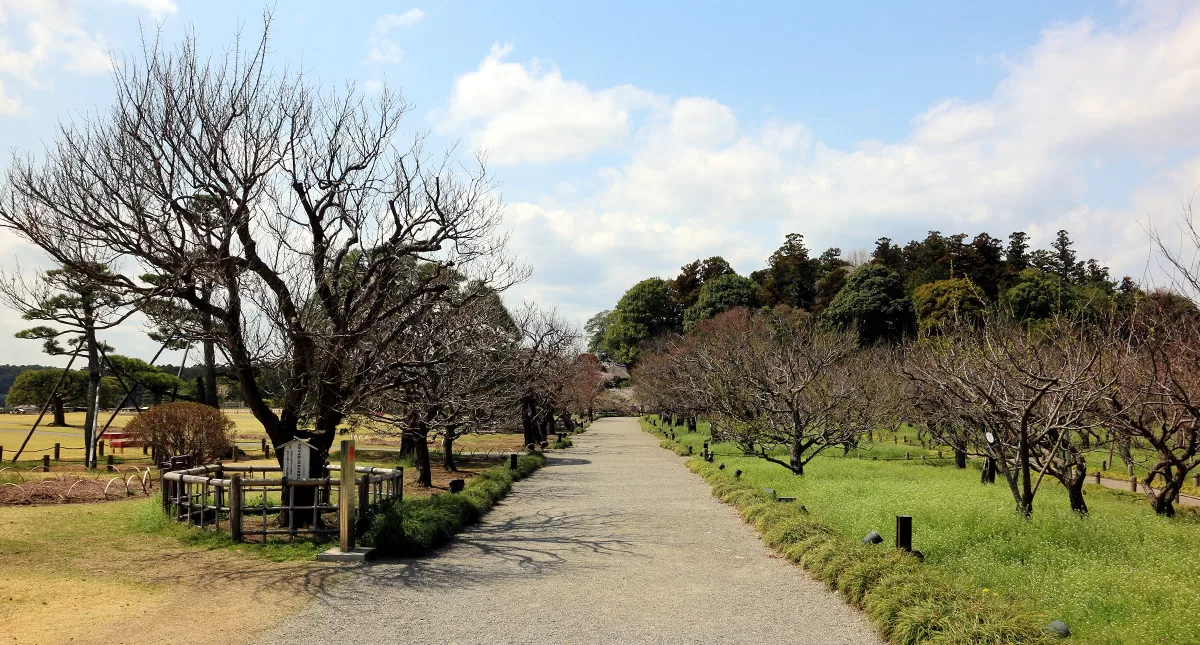
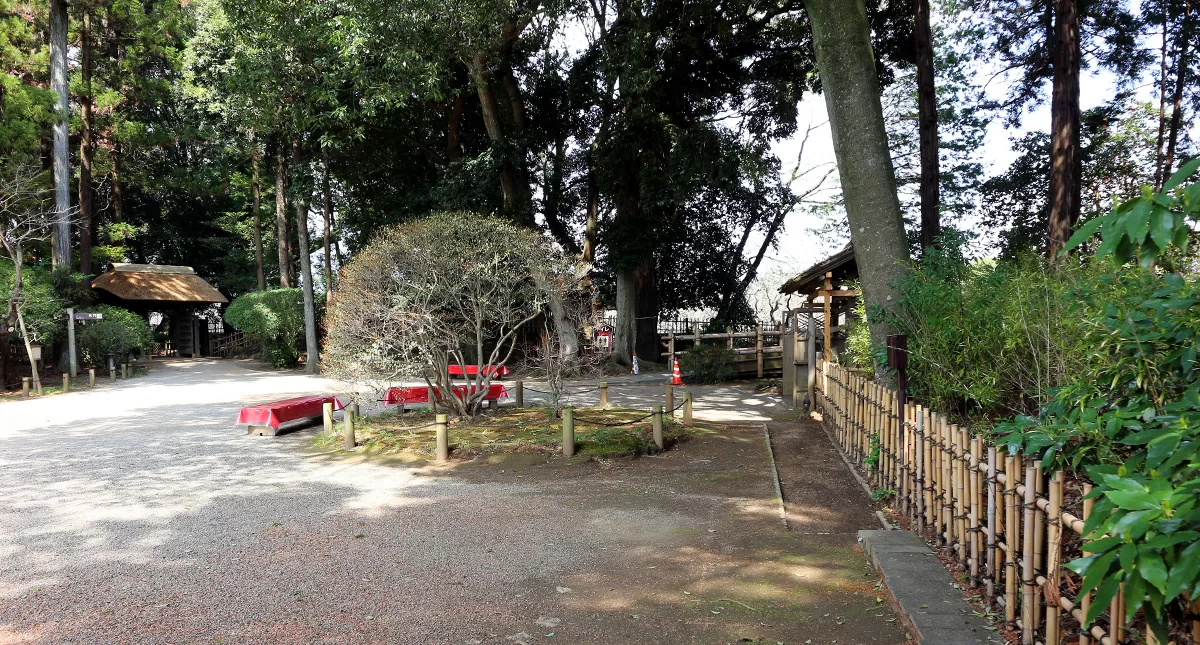
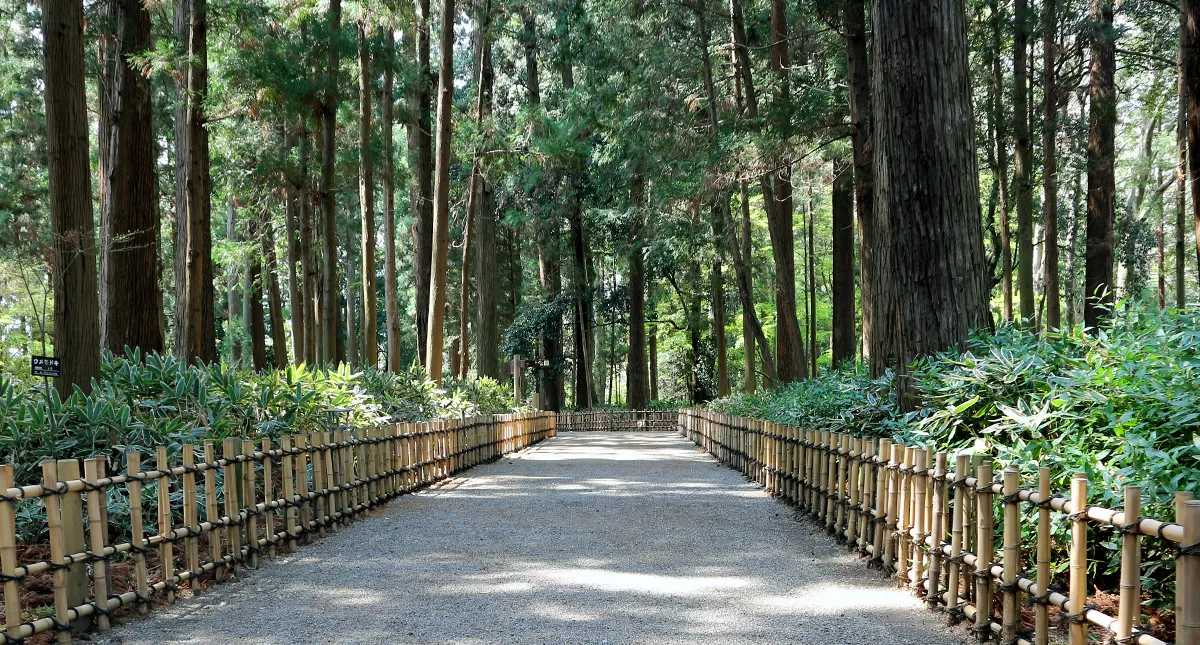

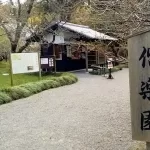
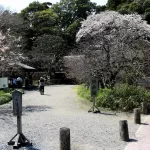

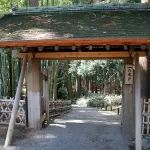
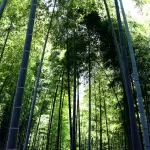






Kōbuten’s (好文亭) rates and opening hours
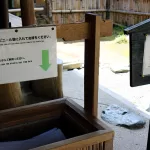
It is located within Korakuen Park, but admission is separate and requires an additional fee.
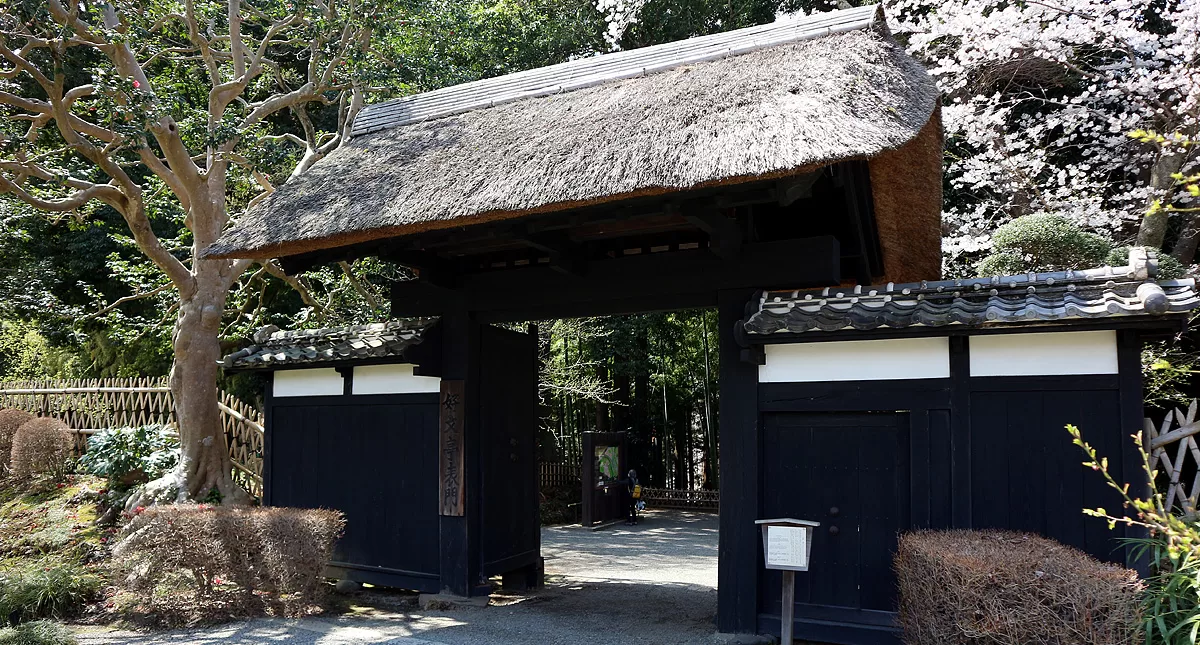
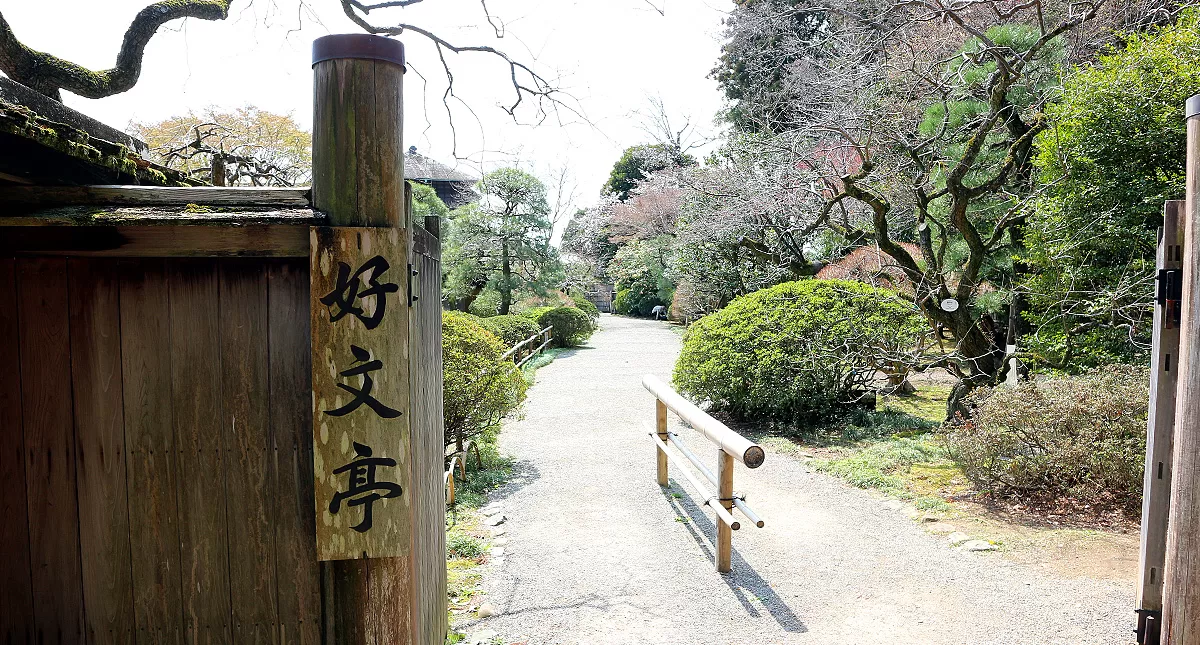
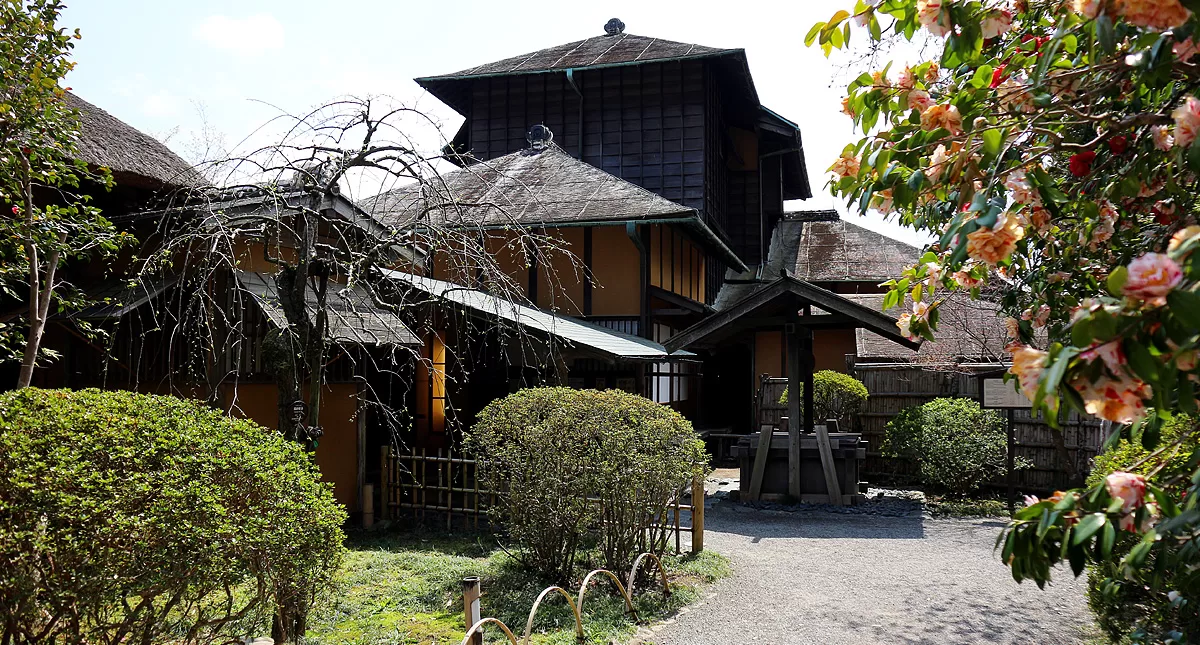
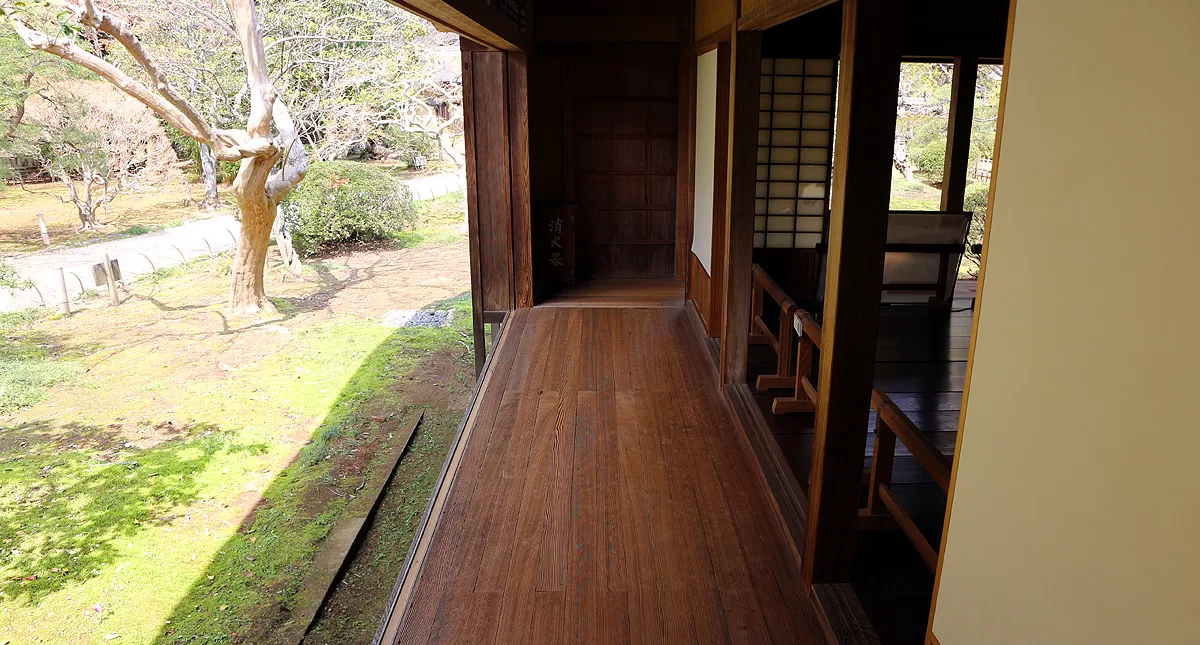
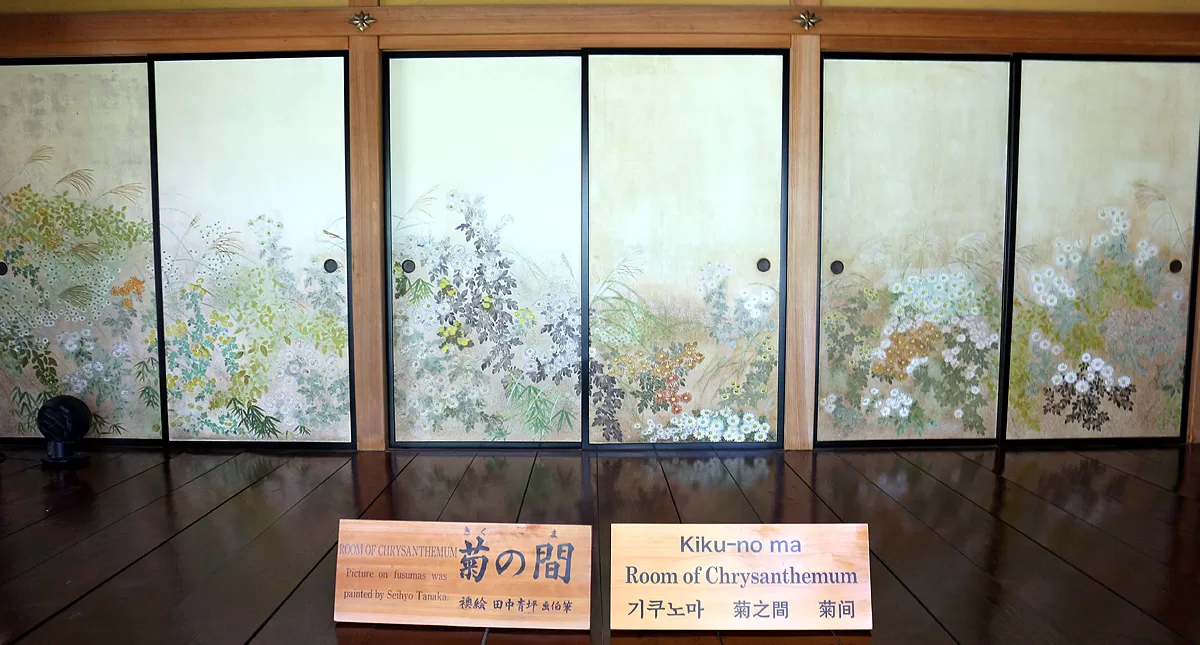
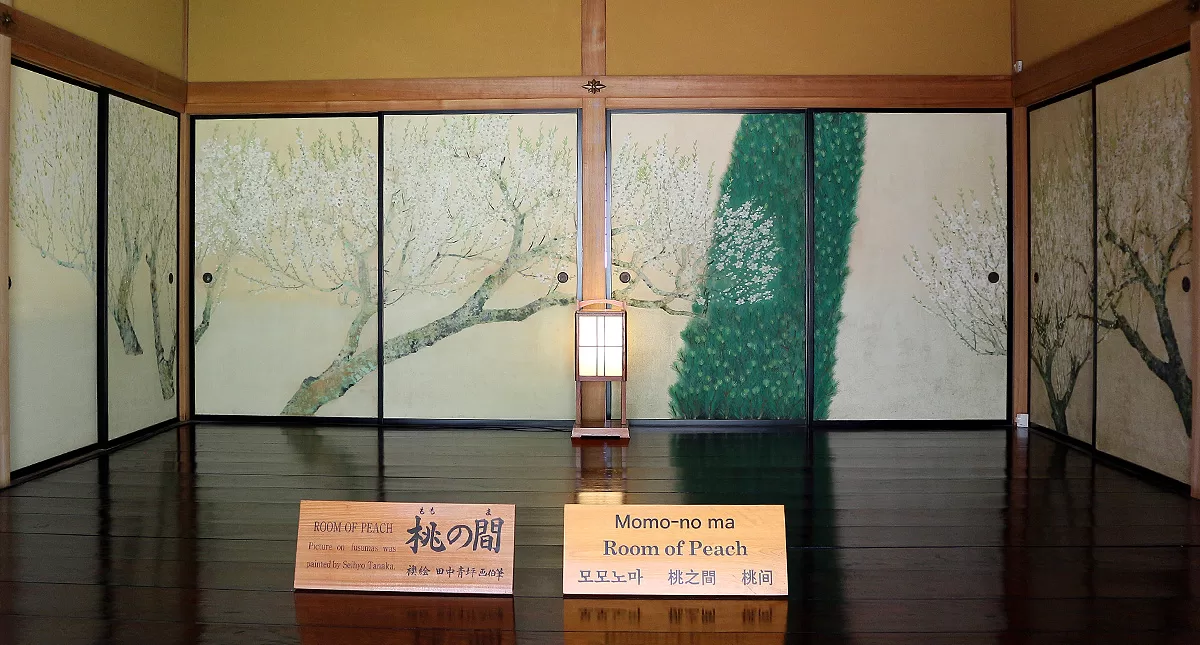
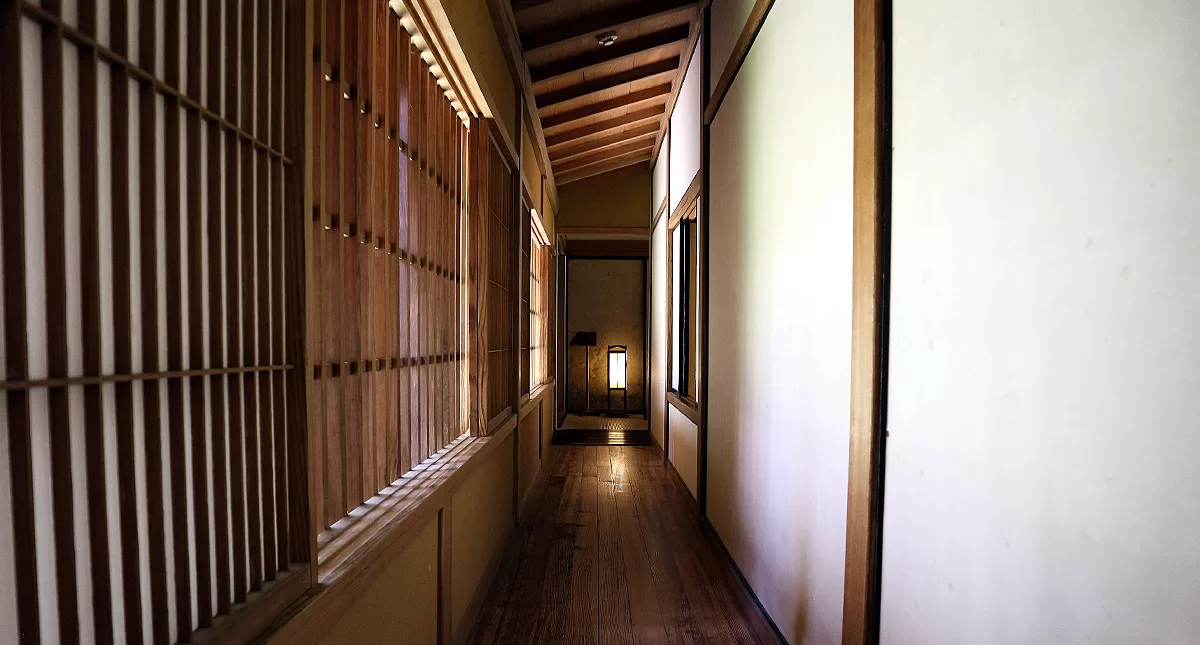
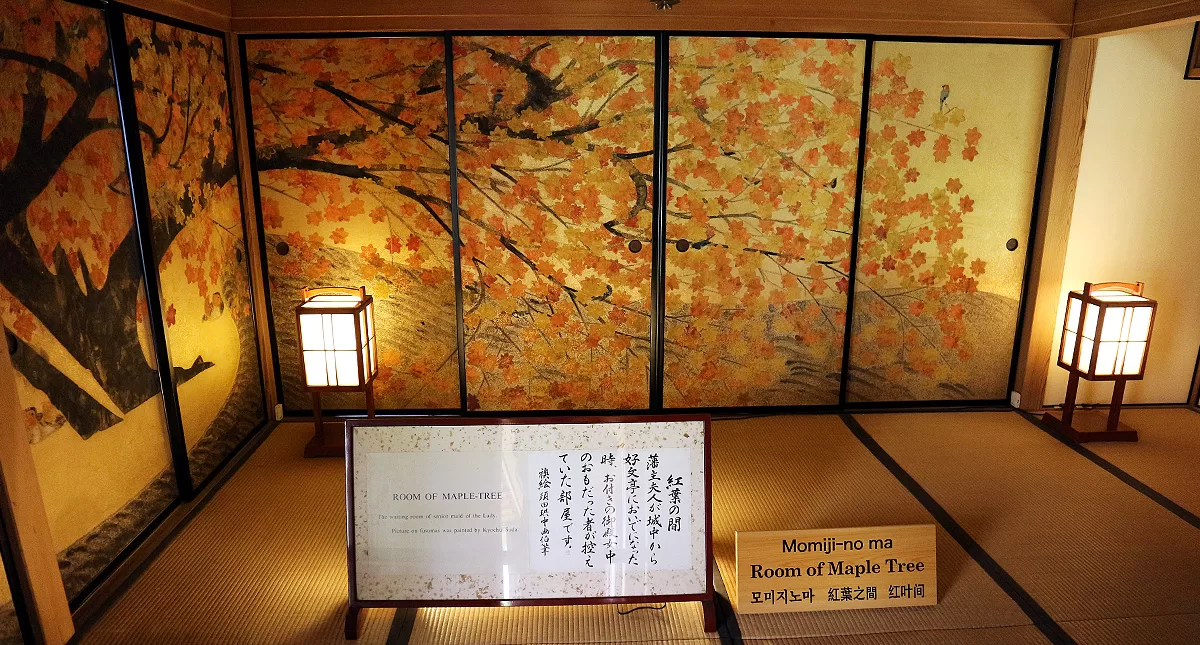
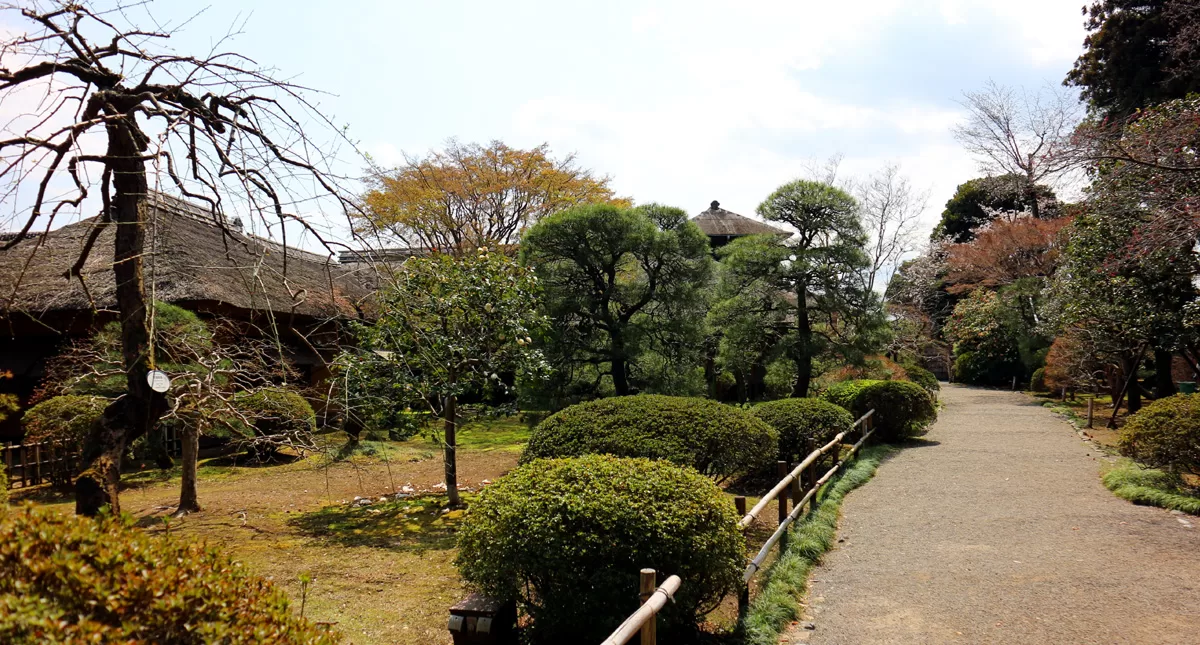
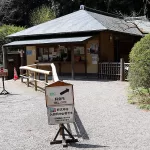
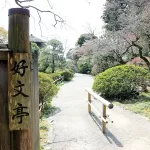
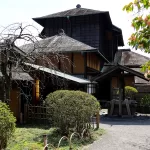
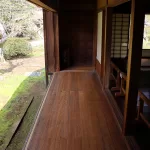
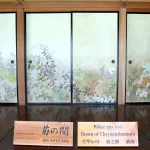
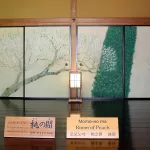
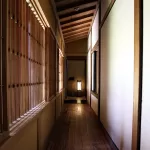
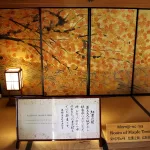
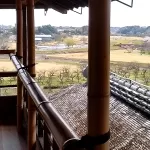
Kōbuntei was the private residence of Natsumachi Tokugawa, the 9th lord of the Mito domain, and was a place where he would gather his retainers and local residents to hold poetry gatherings, gatherings for the elderly, and other events.
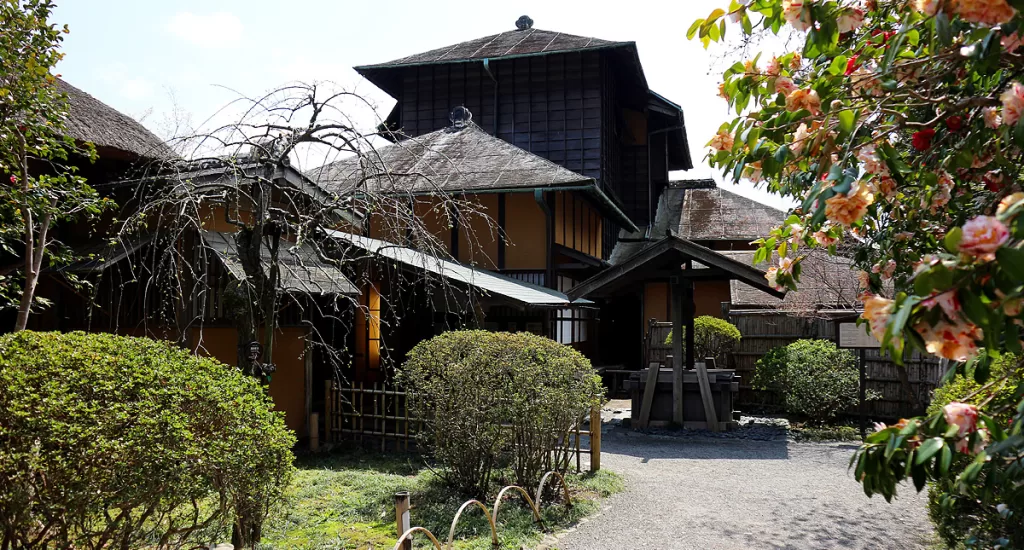
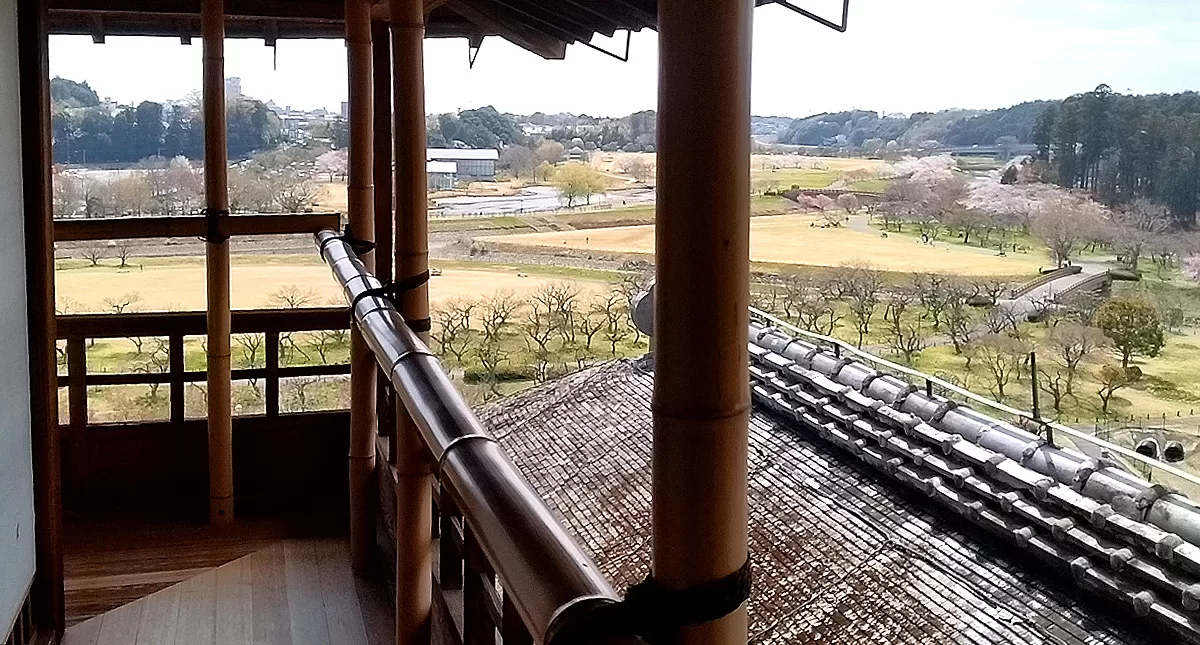
2025年 4月 好文亭 – こうぶんてい –
Admission Fee
Adults: 230 yen, Children: 120 yen
Group rate: Adults 170 yen, children 90 yen *Group bookings: This offer applies to groups of 20 people or more.
Mid-February to September 30: 9:00–17:00
October 1st to mid-February: 9:00–16:30
*Note: During the plum blossom festival period, the venue is generally open until 5:00 PM.
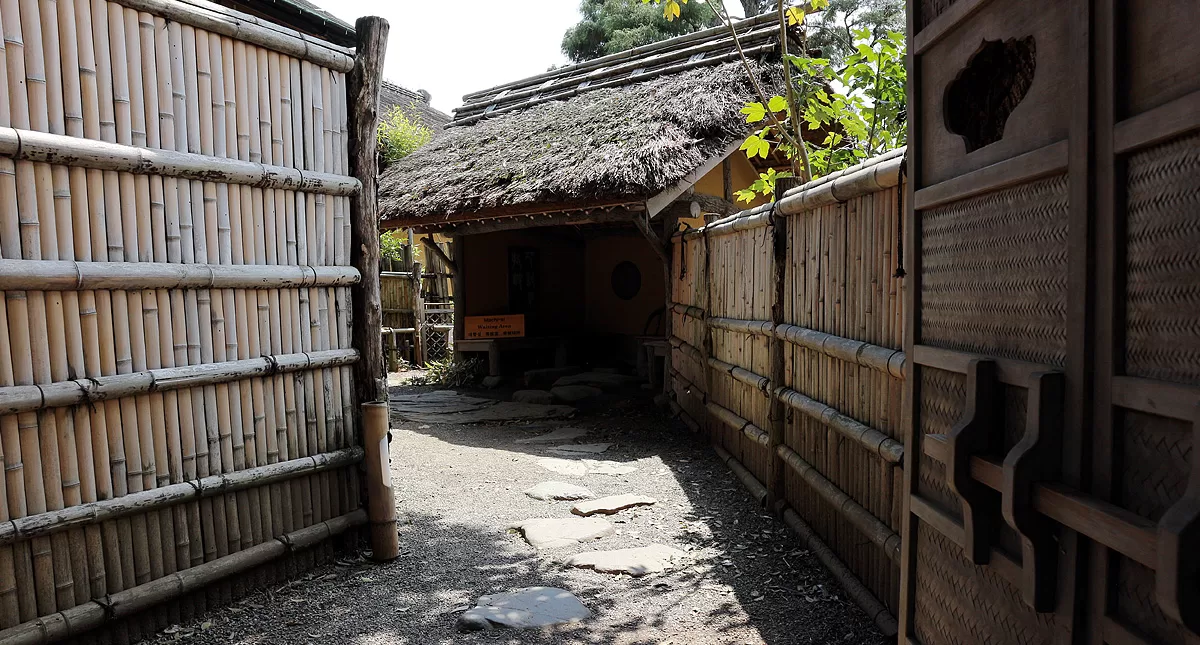
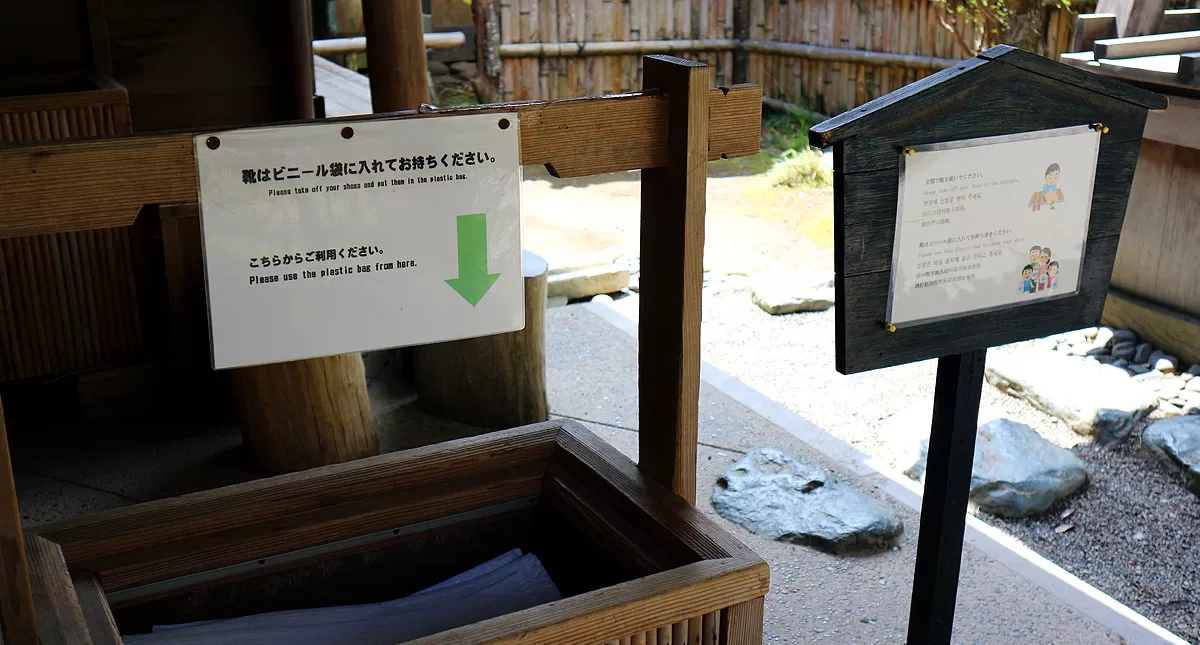
*Please remove your shoes before entering the building.
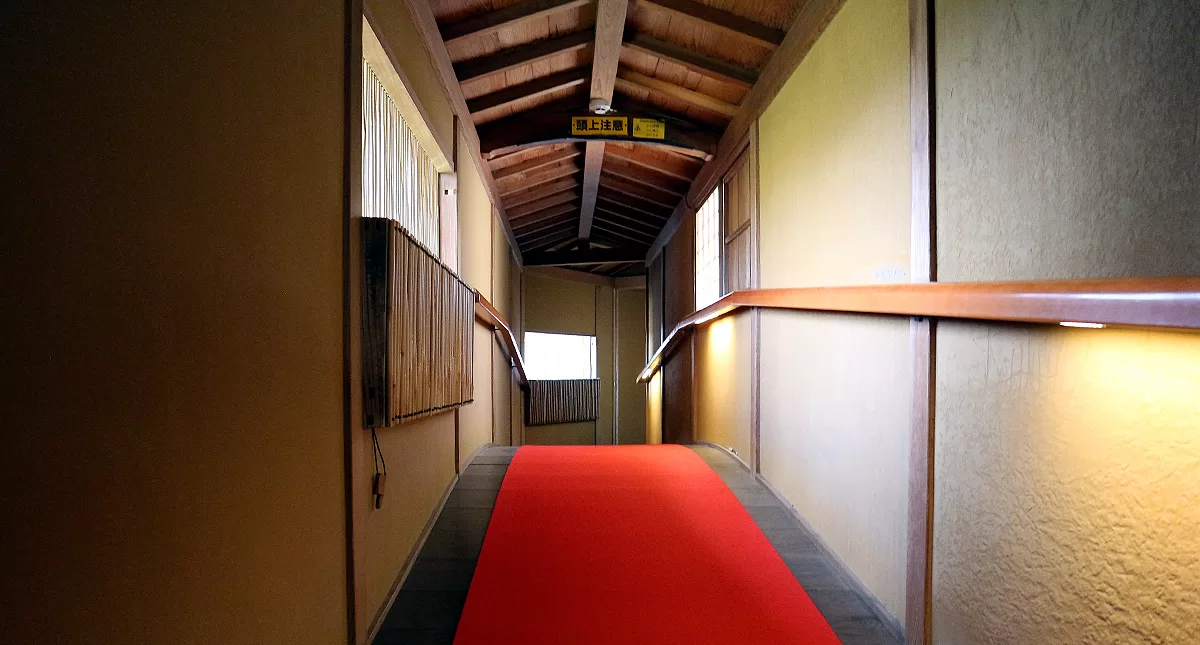
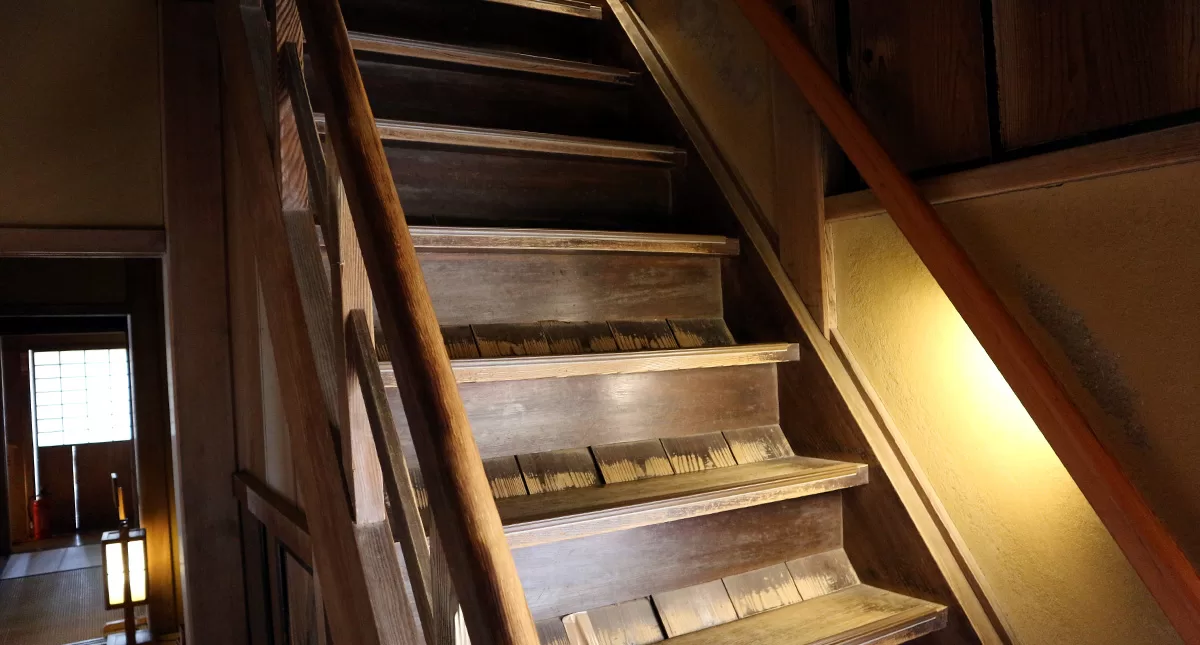
Kōbuten Gallery (Image Collection)
Photo taken in early April 2025





For detailed information and important notes about Korakuen Garden and Koubuten Teahouse, please check the official website below.
https://ibaraki-kairakuen.jp/ Kairakuen Garden: One of Japan’s Three Great Gardens – Official Website
Kairakuen Park and its surroundings
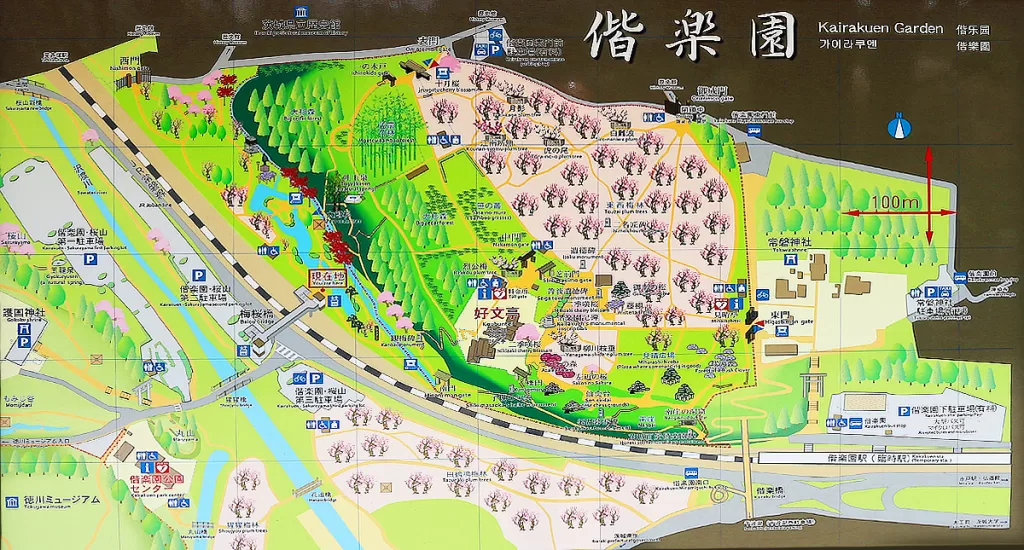
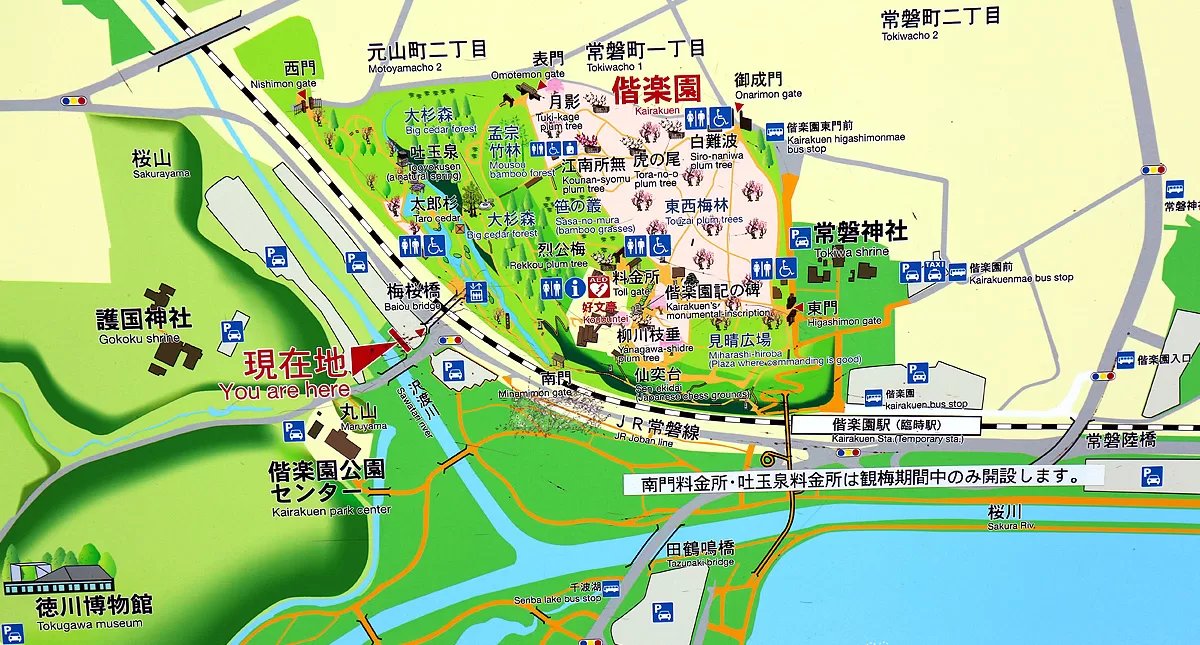
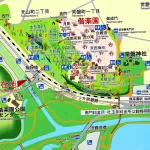
梅桜橋(ばいおうばし)偕楽園側の看板より
There was a sign on the Kairakuen Park side of the Umezakura Bridge that provided detailed information about Kairakuen Park and its surroundings.
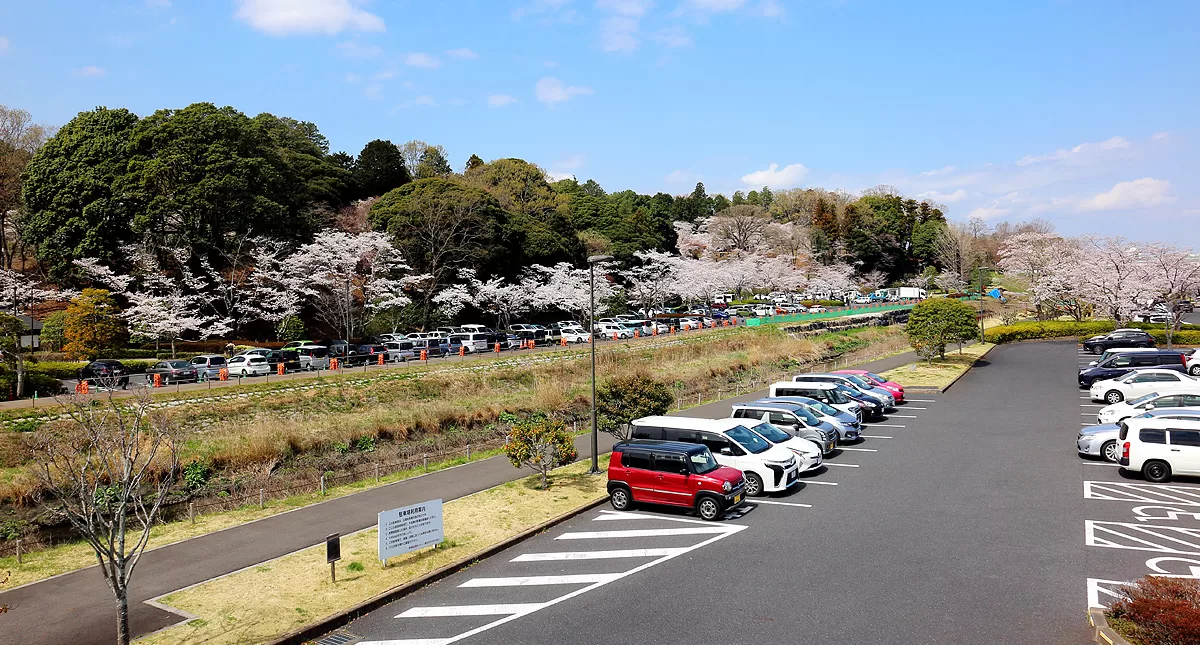
I went there by car on a weekday during the cherry blossom season, when free parking was available near Umezakura-bashi bridge, but I think there will be heavy traffic on weekends and holidays during peak bloom season.
Even if you aren’t specifically visiting Kairakuen Garden, there are many other attractions in the surrounding area, including the Tokugawa Museum, Hondokan Hall, Mito Art Museum, Ibaraki Prefectural Museum of History, Senba Park, Mito Toshogu Shrine, and Ibaraki Prefectural Shrine.
In Mito, you can enjoy its diverse attractions, including areas that reflect its history as a castle town, parks where you can enjoy nature, and various cultural facilities.
I visited Kairakuen Garden and Ibaraki Prefectural Shrine in half a day, but I didn’t have time to visit other places.
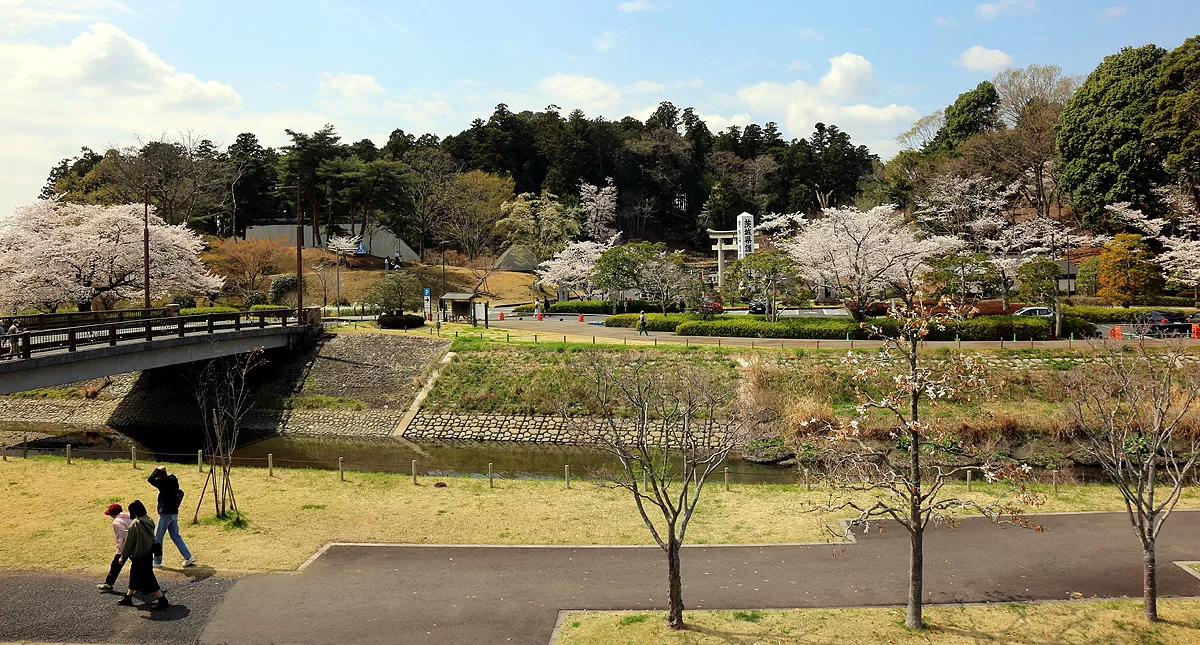
While admission to Koraku-en Park in Ibaraki Prefecture is not free, even just strolling around the area outside the park offers a wonderful view.
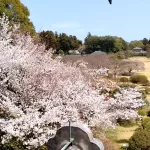
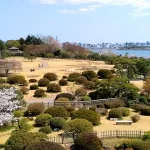
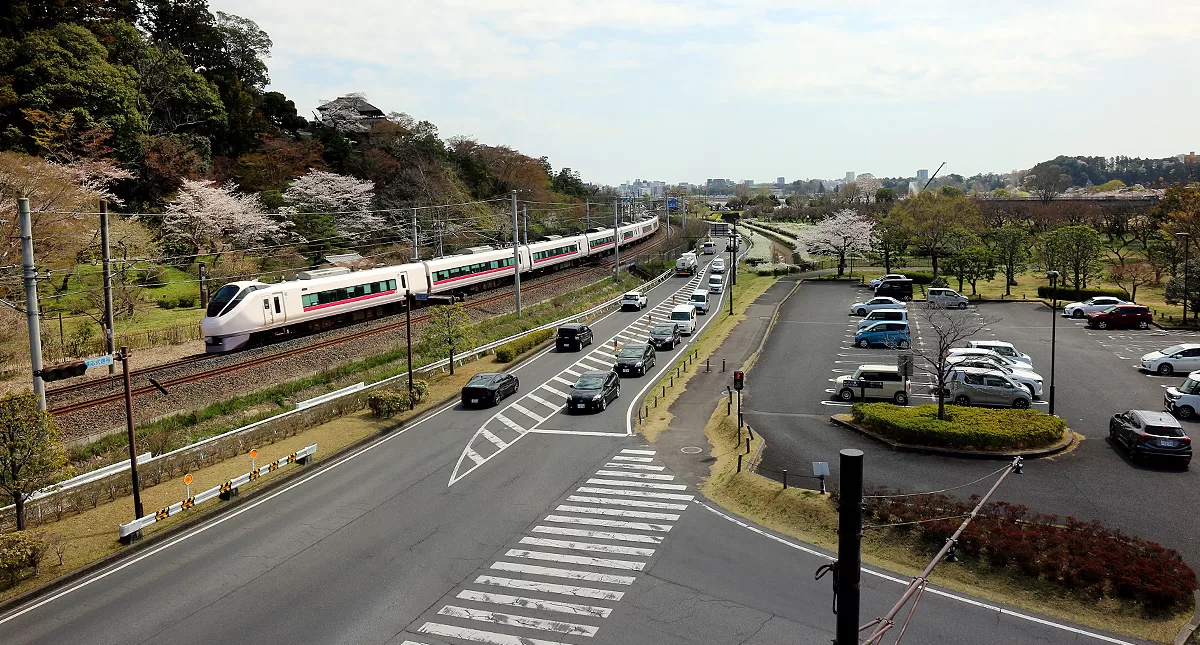
Kairakuen Park and its surroundings – Photo gallery
Photo taken in early April 2025
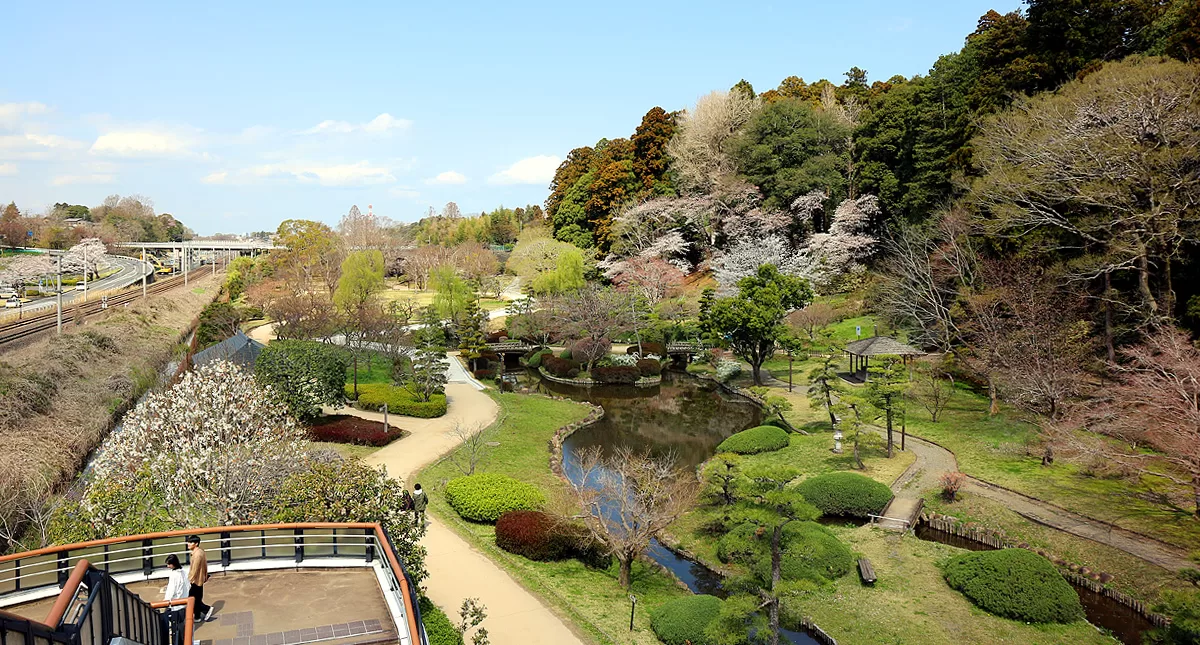
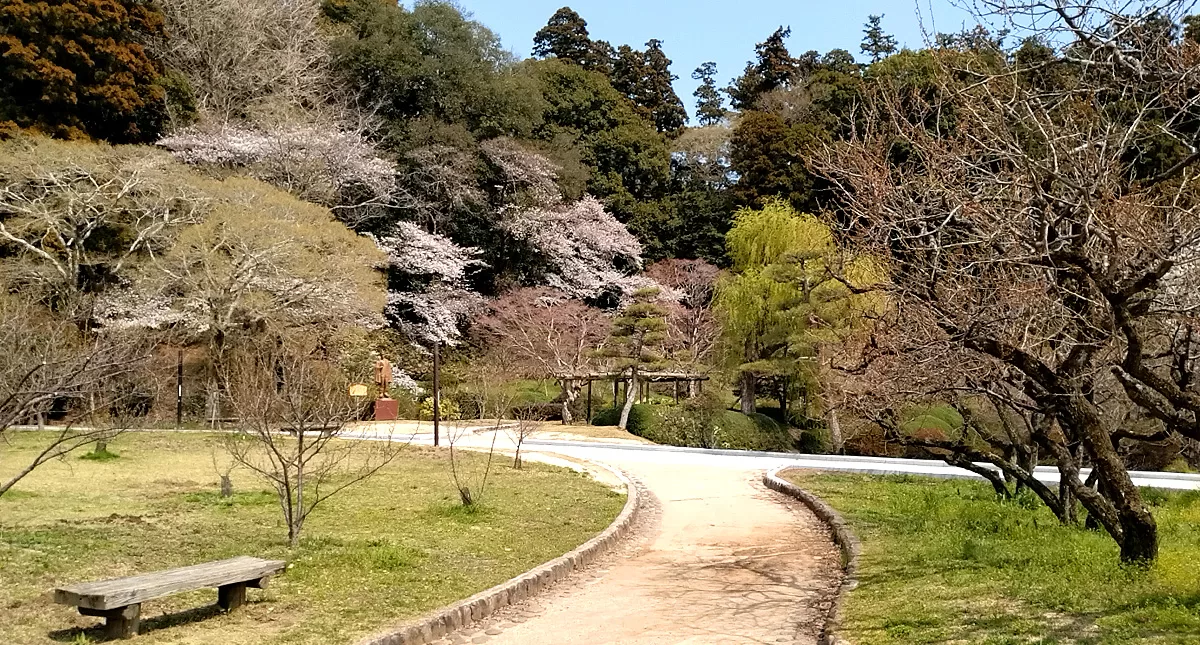
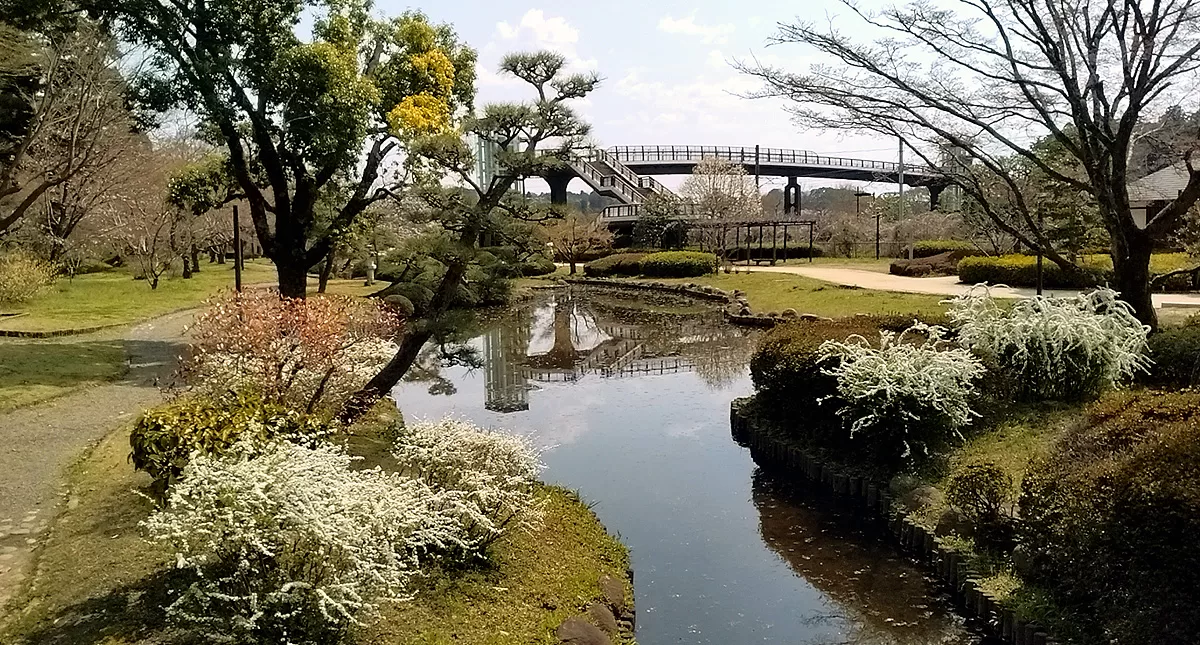

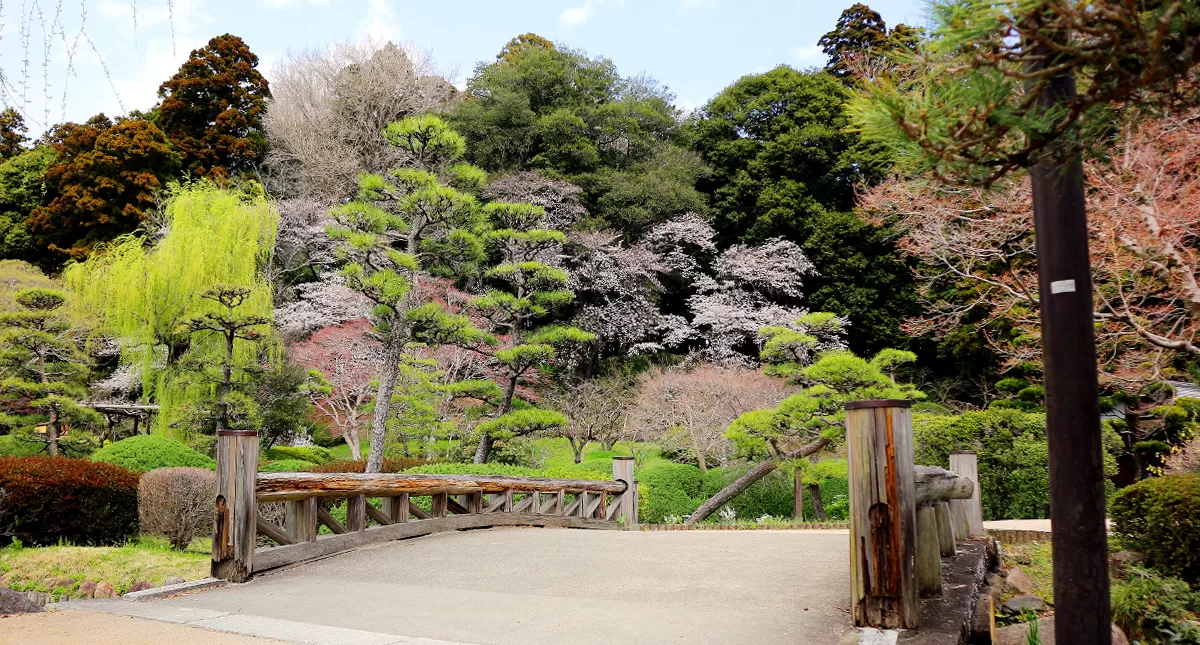
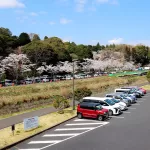

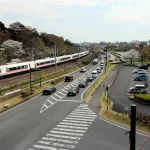
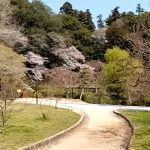
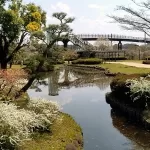
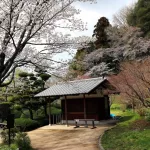

The area around Lake Senba and the area around Mito Station still retain many traces of the influence of the Mito Domain (which existed from 1609, during the Keicho era, until 1871, when it became Mito Prefecture after the abolition of the feudal domains). I plan to go for a stroll in these areas.
Thank you for watching.