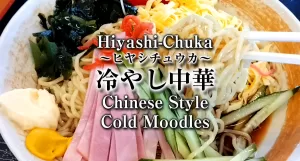
Wagashi (Japanese Sweets)
このサイトはアフィリエイト広告を利用しています。 This site uses affiliate advertising.
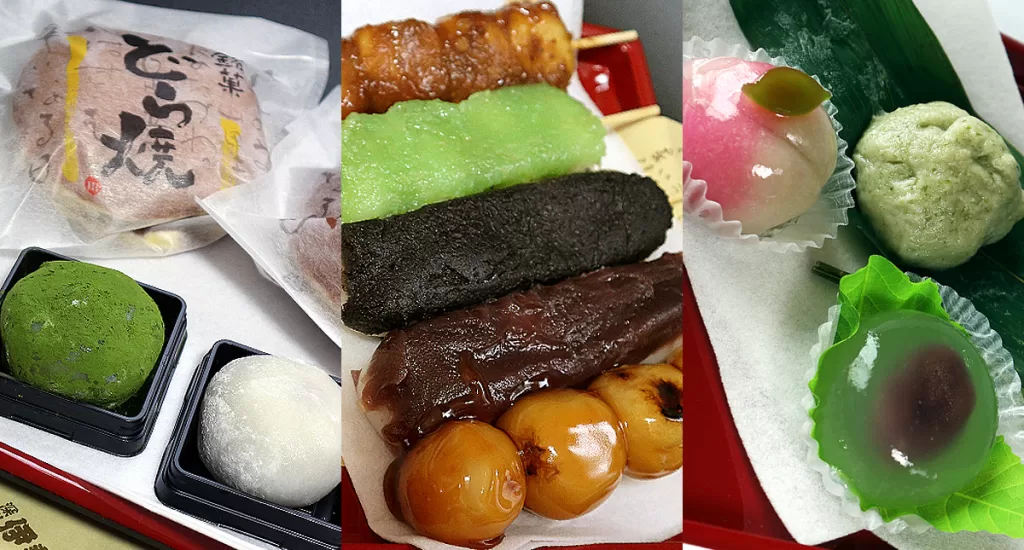
2025年7月 埼玉県 深川 伊勢屋 越谷店の和菓子
Wagashi (Japanese Sweets) -ワガシ : わがし (和菓子) –
Table Of Contents
- The history of Japanese sweets(和菓子の歴史)
- Types of Japanese sweets(和菓子の種類)
- Elegant sweetness
- Seasonal feeling
- Japanese sweets at convenience stores
Wagashi is a general term for traditional Japanese sweets, but I believe that modern wagashi are sweets that are evolving every day, making good use of ingredients from each region of Japan and ingredients from the Japanese climate, as well as ingredients and manufacturing methods imported from overseas.
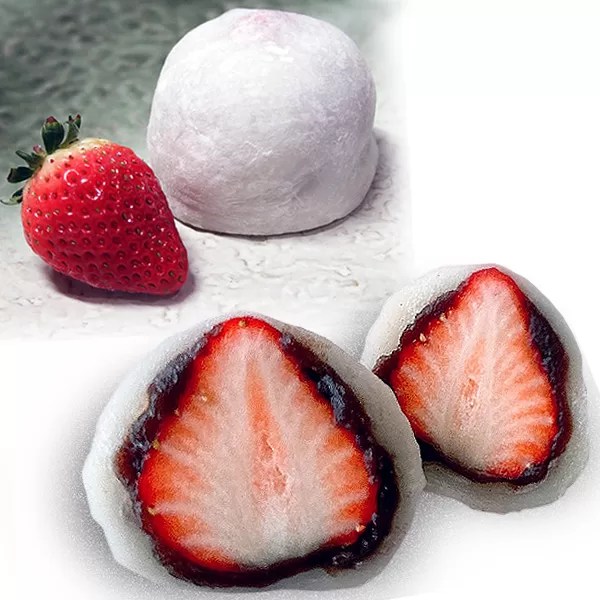
Strawberry Daifuku~苺大福(いちごだいふく)~
There are various theories about the origin of Ichigo Daifuku, but it is believed to have appeared at several Japanese confectionery shops around the same time in the late 1980s.
It was available in the Kanto region when I was a child, so I think it quickly became a popular Japanese sweet.
Particularly famous are “Osumi Tamaya(大角玉屋)” and “Ichifuji(一不二)” in Tokyo.
Strawberry Daifuku is a Japanese sweet made of mochi dough wrapped around bean paste and strawberries.
They are sold at Japanese confectionery shops and convenience stores during strawberry season (December to May) and come in a variety of varieties.
Actually, I don’t like Japanese sweets (anko and other sweet things).(;´Д`)
Even though I’m like that, Ichigo Daifuku is a Japanese sweet that I sometimes crave.
Some people overseas don’t like sweetly boiled beans or red bean paste, and I feel the same way.
However, what is different from people overseas is that when I was a child, convenience stores and desserts were not as common as they are now.Instead, there were Japanese confectionery shops in the neighborhood, and it was common to make red bean paste at home and eat rice cakes or ohagi with the red bean paste, so perhaps that is why I didn’t like it.
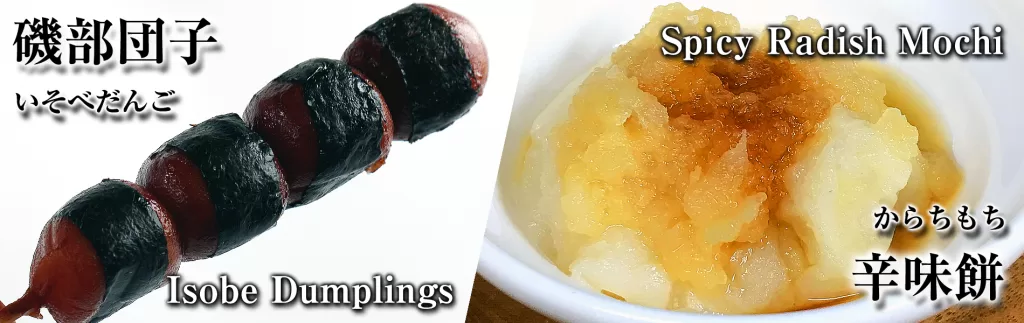
On the other hand, rather than rice dumplings with red bean paste, I have always preferred isobe rice dumplings, which are dipped in soy sauce, grilled and wrapped in seaweed, and karami mochi, which is rice cake eaten with grated daikon radish and soy sauce.
(;^ω^)I like staple foods and I’m not a fan of red bean paste or sweet things, so when you come to Japan, I hope you’ll try out a variety of Japanese sweets and find one you like.
The history of Japanese sweets
Japanese sweets have a long history, and it is said that dango originated in the Jomon period (approximately 16,500 to 2,300 years ago) when nuts were crushed, soaked in water to remove the bitterness, and rolled into balls.
Later, influenced by China and Europe, various ingredients and manufacturing methods were incorporated, and the Japanese sweets of today were developed.
In particular, the development of tea ceremony culture and food culture during the Edo period are said to have contributed greatly to the diversification of Japanese sweets.
I think the appeal of Japanese sweets is that they are made primarily from plant-based ingredients such as rice, wheat, and beans, and you can enjoy their refined sweetness, flavor, and appearance.
They are known for their elaborate designs and seasonal ingredients, and are popular as expressions of Japanese culture and the seasons, but the wagashi made vary depending on the season and region.
A distinctive feature of Japanese sweets is that they often use plant-based ingredients.
Rice, wheat, beans, and kudzu starch are mainly used, and they tend to use less fats and dairy products than Western sweets.
It will depend on the amount you eat and how you eat it, but there are opinions that Japanese sweets are less likely to make you gain weight than Western sweets, but you should be careful not to eat too much of both, and there are probably differences in the absorption of carbohydrates and lipids, so I can’t say for sure.(;^ω^)
Types of Japanese sweets
Japanese sweets can be broadly divided into three types depending on their moisture content: fresh sweets (なまがし), semi-fresh sweets (はんなまがし), and dried sweets (ひがし).
1. Classification by moisture content
Fresh sweets(なまがし:生菓子)

左:生クリーム大福、真ん中:タイ焼き、右:みたらし団子
Moisture content is 30% or more.
Mochi-based sweets such as daifuku, nerikiri, uriwara, kashiwamochi, kusamochi, and warabimochi, as well as mitarashi dango, taiyaki, and imagawayaki are also considered fresh sweets. Many of these sweets are soft and do not keep well, so they are called fresh sweets.
It’s best to eat it as soon as possible
Semi-fresh sweets (はんなまがし:半生菓子)
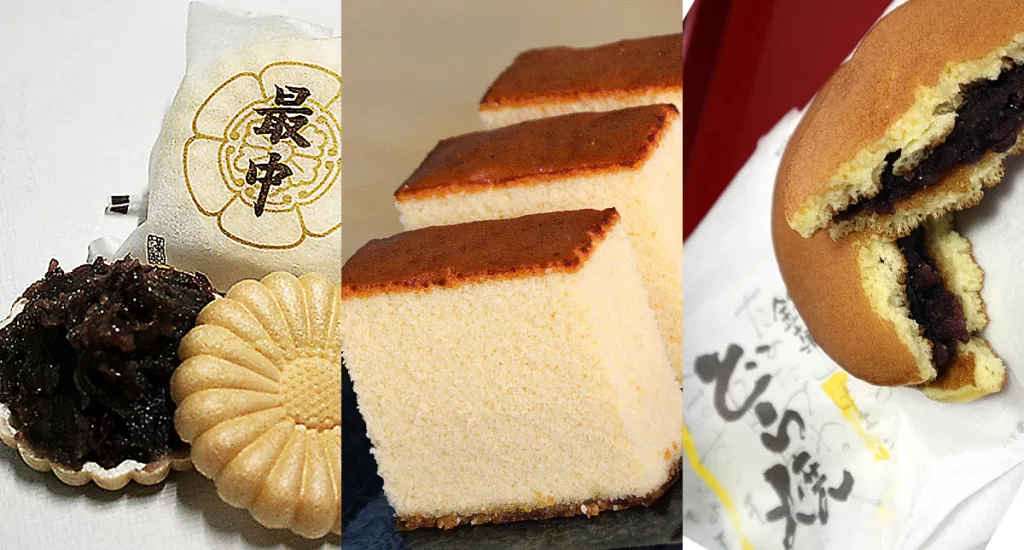
左:最中、真ん中:日本カステラ、右:どら焼き
Moisture content is 10-30%.
Many of these sweets, such as dorayaki, castella, and monaka, have a relatively long shelf life and are called semi-perishable sweets.
dried sweets (ひがし:干菓)
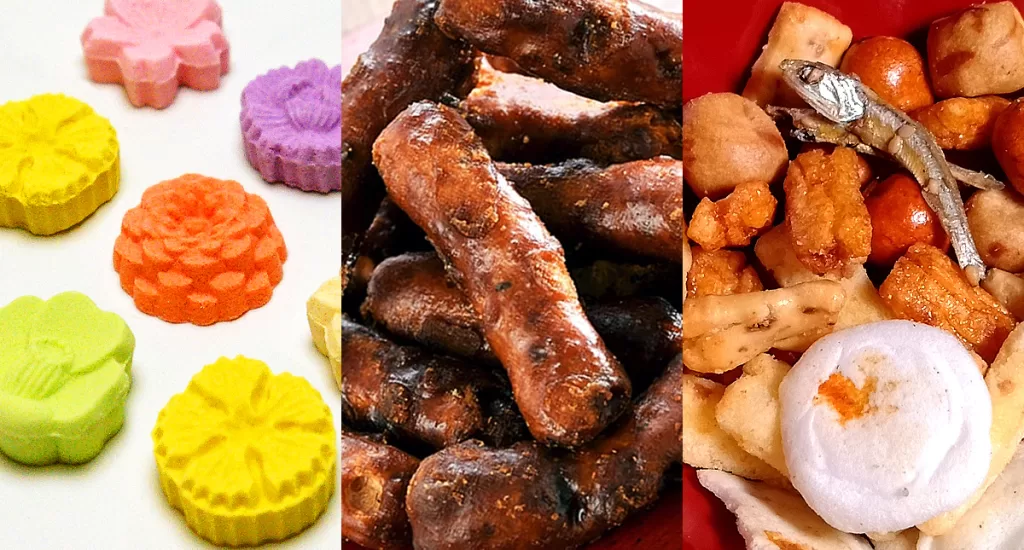
左:和三盆糖(わさんぼんとう)、真ん中:かりんとう、右:米菓・豆菓子・小魚
Moisture content less than 10%.
Many of these confectioneries, such as rice crackers(煎餅), rakugan(落雁), and arieito(有平糖), are hard and have a long shelf life, and are known as higashi (干菓子=dried sweets).
2. Classification by manufacturing method
Depending on the method of production, they are classified into “mochi「餅物」” (rice cake), “steamed「蒸し物」” (baked「焼き物」) (dried「焼き物」) (flowing「流し物」) (fish paste「練り物」) and “fried”「揚げ物」 (deep-fried).
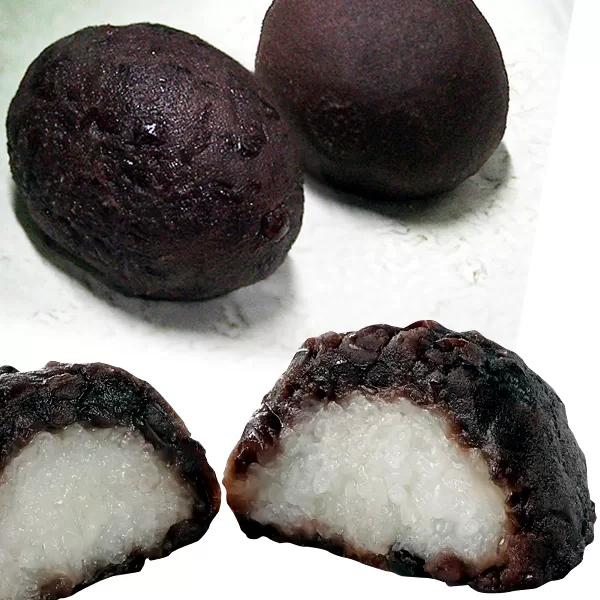
Mochi(もちもの:餅物)
It is made from glutinous rice or glutinous rice flour, and is made by pounding and steaming it.
There are daifuku, ohagi, kashiwamochi, and more.
“Ohagi” appears in the story of “Demon Slayer: Kimetsu no Yaiba,「鬼滅の刃」” and although it is a Japanese sweet that I have been familiar with since childhood, I am not a big fan of it.m(_ _)m
“Ohagi” is made by mixing glutinous rice with non-glutinous rice, lightly pounding it, rolling it into balls, and then wrapping it in sesame seeds, bean paste, or soybean flour.
I like kinako ohagi.(‘ω’)
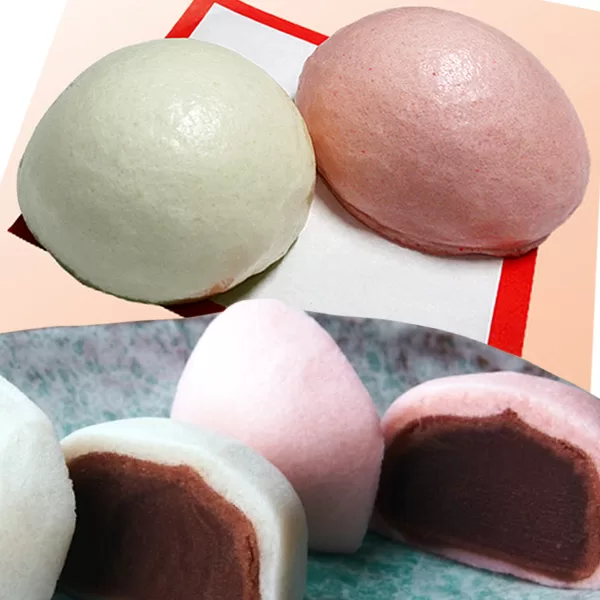
Steamed food(むしもの:蒸し物)
Things made by steaming in a bamboo steamer.
Steamed manju, uriwara, karukan, etc.
This is a celebratory Japanese sweet set of red and white manju.
They are often distributed at celebrations and commemorative events, and are especially popular as standard gifts at milestone occasions such as graduations, entrance ceremonies, weddings, and baby showers.
Grilled(やきもの:焼き物)
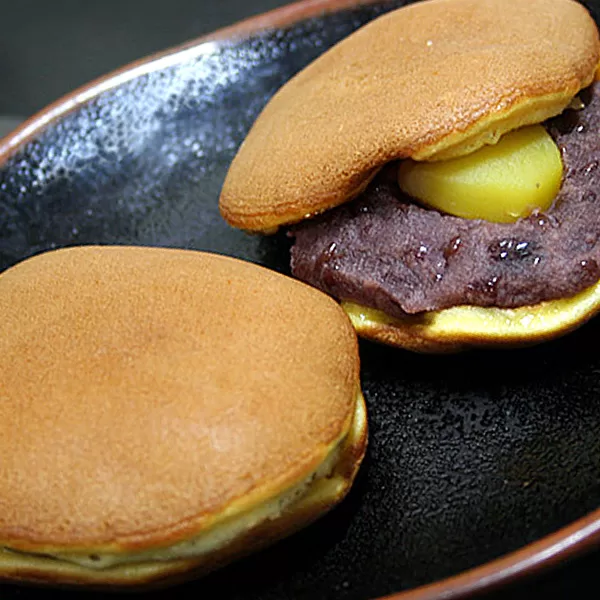
These are baked in a pan or oven.
Dorayaki, Kintsuba, Imagawayaki, etc.
Dorayaki come in a wide variety of flavors, depending on the type of bean paste, dough, and other ingredients. In addition to the classic tsubuan (coarse bean paste) and smooth bean paste, there are also white bean paste, uguisu (green berry) bean paste, zunda (red bean paste), matcha (green tea) bean paste, chestnut bean paste, sweet potato bean paste, sesame bean paste, and fruit bean paste.
There are also many different types available, including Western-style ones filled with fresh cream, custard, butter, chocolate, or ice cream, as well as ones filled with mochi, chestnuts, or fruit.
Apparently, the reason Doraemon likes it is because “the ingredients in the skin and bean paste of Dorayaki are the perfect match for Doraemon’s energy.”(‘ω’)
Flush(ながしもの:流し物)
It is made by pouring bean paste or agar into a mold and letting it cool and harden.
Yokan(ようかん), Mizuyokan(みずようかん), Kingyokukan(きんぎょくかん), etc.
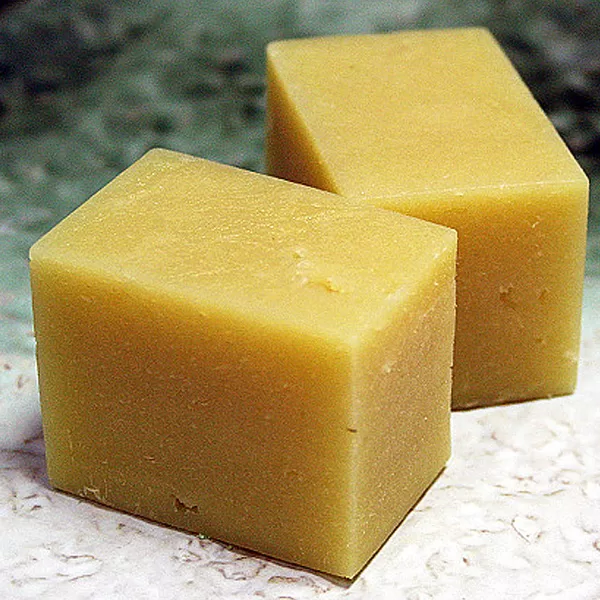
Yokan is a Japanese confectionery made by pouring red bean paste into a mold and solidifying it with agar. There are two types of neri-yokan: one with a firm consistency and a large amount of agar, and one with a soft, fresh consistency and less agar: mizu-yokan.
The image shows imo yokan, a traditional Japanese confectionery made primarily from sweet potatoes.
Steamed sweet potatoes are ground into a paste, kneaded with sugar, and then molded into a square shape.
I like sweet potato yokan(*’ω’*)This food is in season from October to March.
In recent years Yokan is also recommended as a portable food that can be easily taken in the event of a disaster.
Yokan has a relatively long shelf life of about one year (this is due to differences in packaging, which means it is not exposed to air), and can be stored at room temperature.It is also high in calories and is used as a portable food for sports and mountain climbing, and there is even a type of yokan that can be stored for five years in case of a disaster.
Why not stock up on this as a valuable sweet food in the event of a disaster?
Japanese sweet paste(ねりもの)
It is made by kneading ingredients such as gyuhi and shiratama flour.
Nerikiri, konashi, gyuhi, etc.
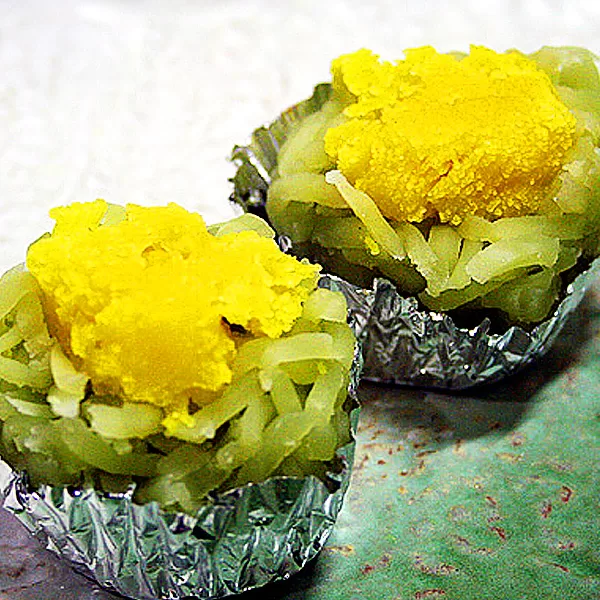
The image shows the Japanese fish cake confectionery “Nanohana.(菜の花)”
The Japanese sweet “Nanohana” is made from Nerikiri rice cake, which heralds the arrival of spring, and is a sweet potato bun filled with egg yolk paste, shaped like a rape blossom.
There is also a version where the yolk shigure is wrapped in flavorful green berry bean paste and resembles rape blossoms.
The peak season is from February to April
Fried food(あげもの)
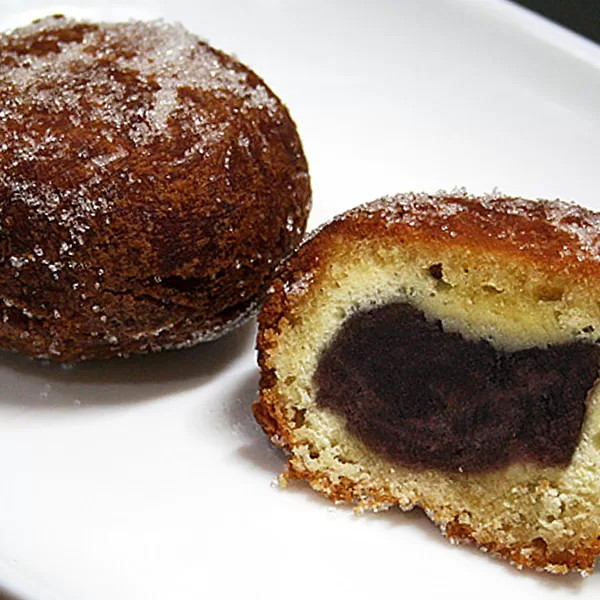
Something that is fried in oil.
They offer sweet bean paste donuts, deep-fried moon cakes, karinto, sweet potato chips, and more.
They are made by wrapping bean paste in dough made from wheat flour or other materials and deep-frying it, or by deep-frying potatoes or barley in oil and seasoning it with sugar or other ingredients.
In some regions, there are also “tempura manju,” which are manju deep-fried like tempura.
There are also bean paste donuts made with white bean paste, and ones that are fried in rice oil for a light and refreshing texture.
(´ω`*)
Elegant sweetness
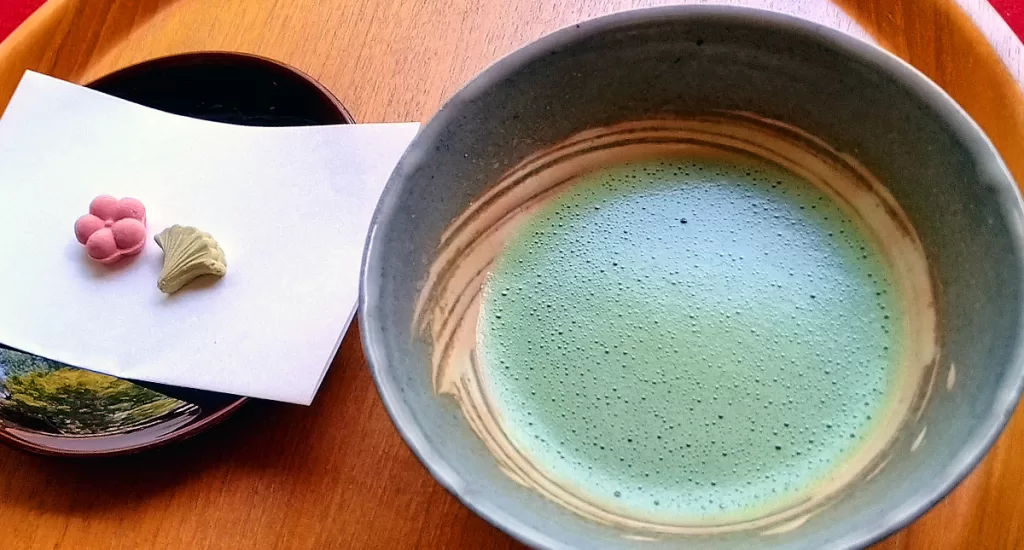
2025年9月上旬:茨城県笠間市下市毛 春風萬里荘、茶房「春風庵」 抹茶(干菓子付き) 650円
It is characterized by its gentle sweetness, which is achieved by using sugar and sweeteners sparingly and bringing out the natural flavor of the ingredients.
In order to bring out the flavor of the ingredients, we carefully select the type and amount of sugar we use to create a deep sweetness.
In particular, the sweetness of the bean paste is adjusted to bring out the flavor of the red beans, and when combined with the bitterness of the matcha, you can enjoy an even richer taste.
That’s right(=゚ω゚)ノ Green tea has a certain degree of bitterness and astringency, which brings out the sweetness of Japanese sweets and leaves your mouth feeling refreshed.
Seasonal feeling
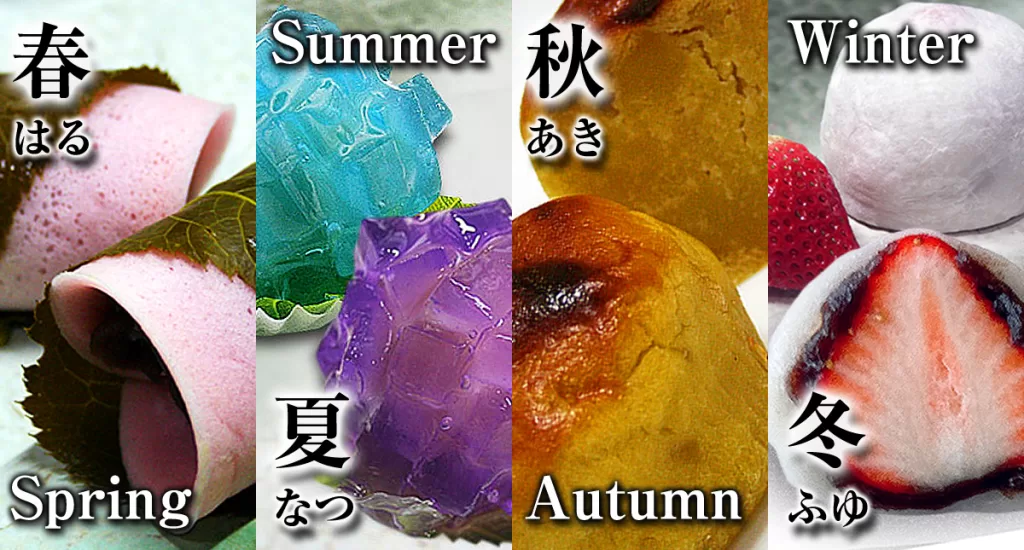
埼玉県 深川 伊勢屋 越谷店の和菓子
They are characterized by their appearance and taste, which express the changing seasons, such as sakura mochi in spring, hydrangea in summer, sweet potato in autumn, and strawberry daifuku in winter.
Handmade feel
Many of them are made by hand by artisans, and you can enjoy their delicate appearance, shape, and unique texture.
Japanese sweets at convenience stores
There are still many delicious Japanese sweets in Japan, and the best part is that you can buy them at convenience stores.
Daifuku, dango, and dorayaki are popular Japanese sweets sold at convenience stores. Convenience stores such as 7-Eleven, Lawson, Family Mart, and Ministop sell a wide variety of Japanese sweets, from standard items to seasonal specials.
Seven-Eleven Japanese sweets
Seven-Eleven official website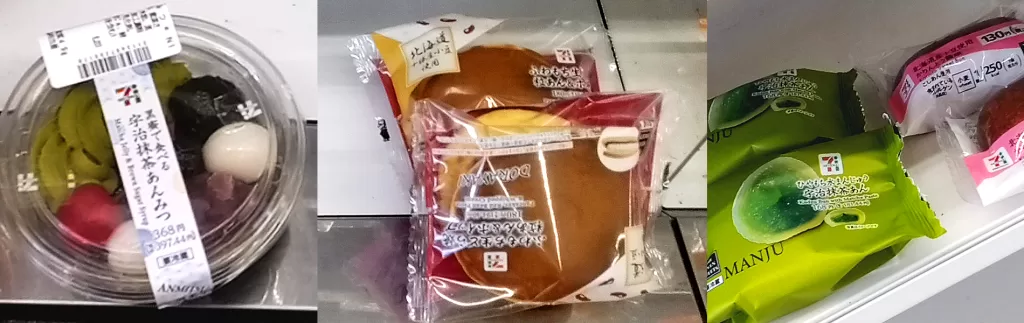
LAWSON Lawson Japanese sweets
LAWSON | Lawson Official Website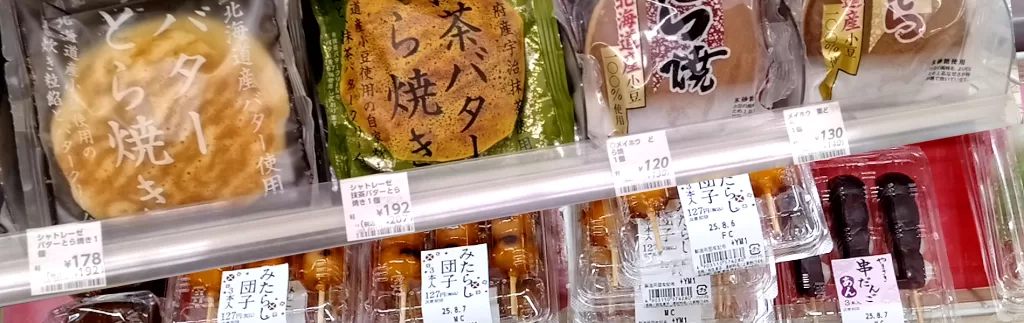
Family Mart Japanese sweets
FamilyMart official website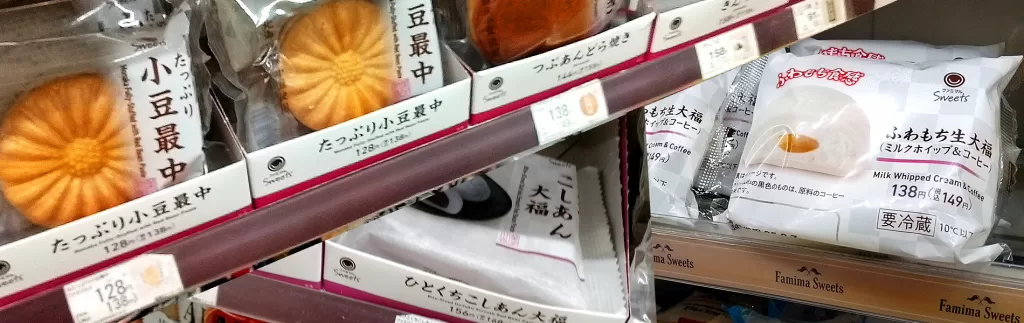
Ministop Japanese sweets
Ministop official website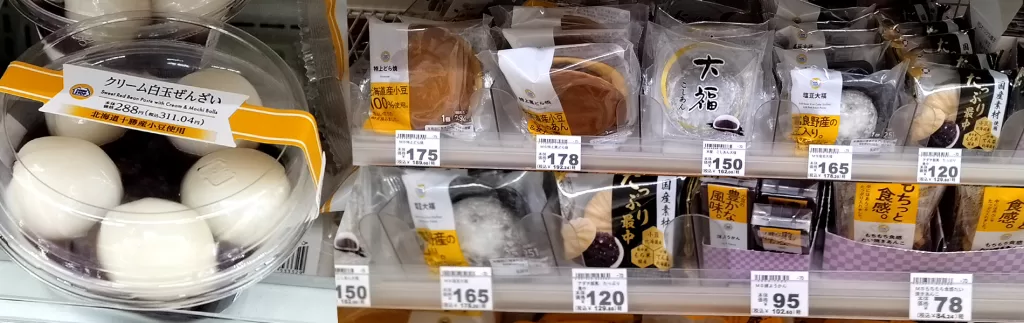
Japanese convenience stores change their product lineup to coincide with periods of high demand and run campaigns and sales.It’s really amazing.
Spring: We will actively promote Japanese sweets that evoke the arrival of spring, such as sakura mochi and kashiwa mochi.
Summer: Strengthen refreshing Japanese sweets such as mizu yokan and jelly.
Autumn: We will be offering Japanese sweets and ohagi made with chestnuts and sweet potatoes.
Winter: Increase the number of warm Japanese sweets, such as daifuku and zenzai.
Convenience stores in Japan are great for making easy purchases, but it’s also a good idea to find the perfect wagashi for you at a wagashi specialty store.
The number of wagashi shops in Japan, including those run by individuals and corporations, is estimated to be around 13,000. Corporate businesses are estimated to number between 1,700 and 3,000, while privately run stores are estimated to number around 10,000. (Individual survey, August 2025)
Most of the Japanese sweets introduced this time are from Fukagawa Iseya Koshigaya store in Saitama Prefecture.
Fukagawa Iseya Koshigaya store(深川伊勢屋越谷店)
1-3-12 Koshigaya, Koshigaya City, Saitama Prefecture
Nearest station:
Tobu Skytree Line “Koshigaya Station (Koshigaya Station)”
Opening hours 8:00~18:30
Store closed: irregular holidays
Fukagawa Iseya Koshigaya store website
Fukagawa Iseya Koshigaya store instagram
I think there may be some mistakes or additions based on my personal research.
For more details, please see the website of the All Japan Wagashi Association.
Japan National Wagashi Association Website
If I find any other Japanese sweets or shops that I can recommend, I will let you know.
Thank you for watching.