
このサイトはアフィリエイト広告を利用しています。 This site uses affiliate advertising.
Food
フード(食べ物)
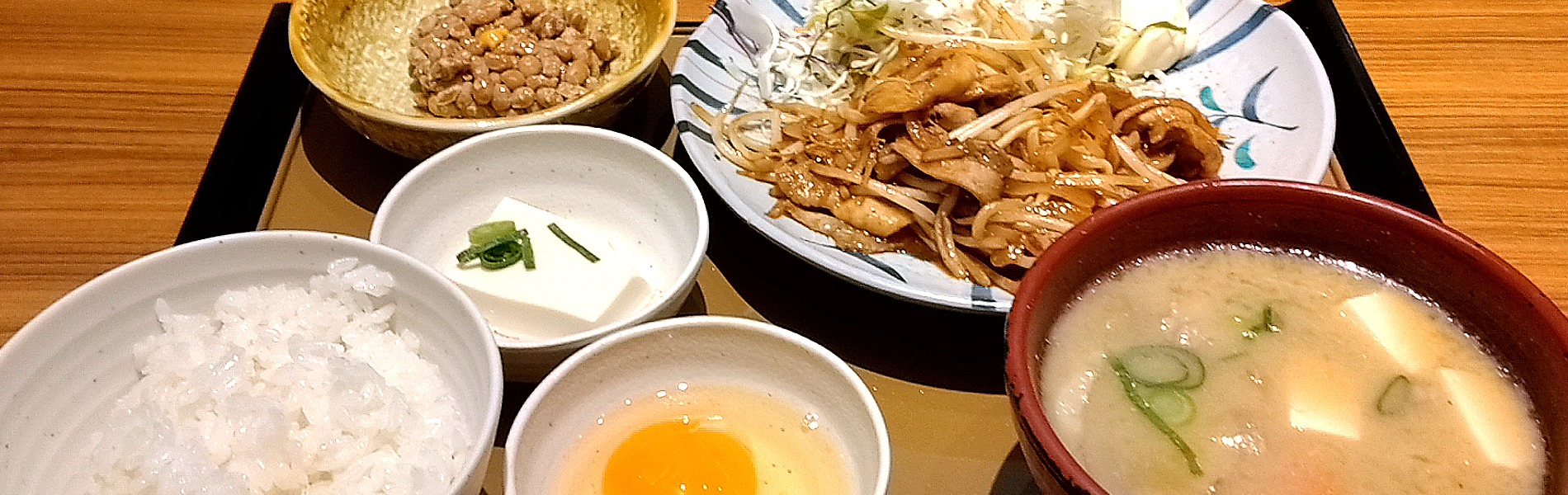
January 2025 Yayoiken: Pork ginger fried set meal ¥800 + raw egg ¥60 + natto ¥100 + change to pork soup ¥190 (all tax included)
2025年1月 やよい軒:しょうが焼定食¥800円+生たまご¥60円+納豆¥100円+豚汁に変更¥190円(全て税込)
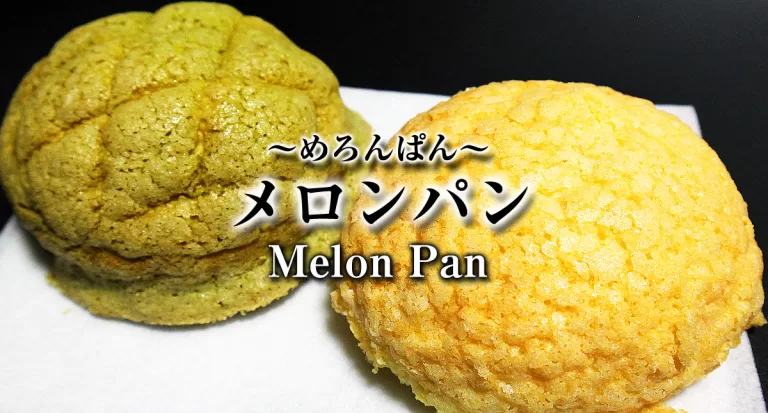
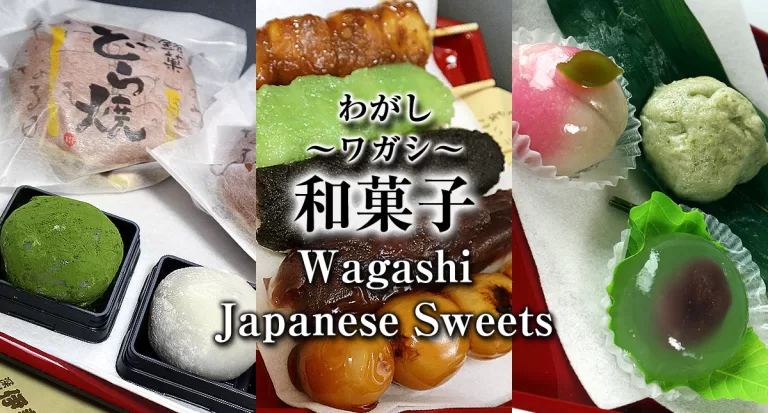
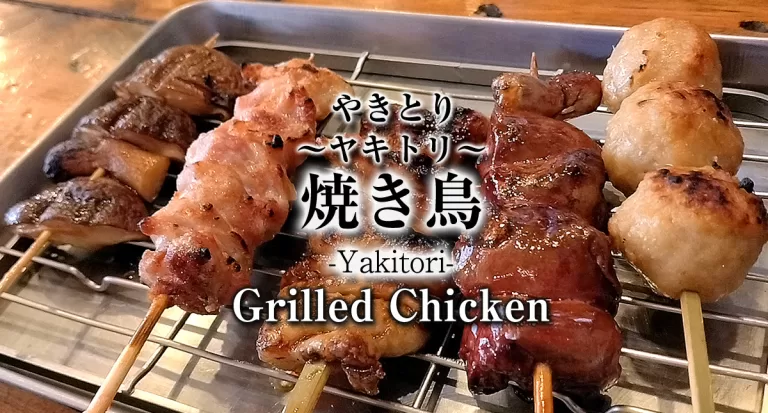

Japan’s food culture is diverse, having been cultivated in each region and natural environment from Hokkaido in the north to Okinawa in the south, on the Pacific coast and on the Sea of Japan coast, but there is also a wide variety of foods that were introduced to Japan and evolved into something uniquely Japanese.
Traditional foods that have been around for a long time include udon noodles, tea, tofu, sake, and eel.
Foods that originated in Japan include spaghetti Napolitana, “doria” which is rice poured into a cream sauce and baked in the oven, “omurice” which is a combination of the French words “omelette” and “rice,” and “cream stew,” a Western stew adapted to suit Japanese ingredients and tastes.
I would like to introduce foods that have been eaten in Japan since ancient times, foods that were introduced to Japan and then uniquely modified, and foods that I would like you to try while in Japan.
Dishes that originated in Japan or have evolved uniquely
Rice bowl food (丼もの)
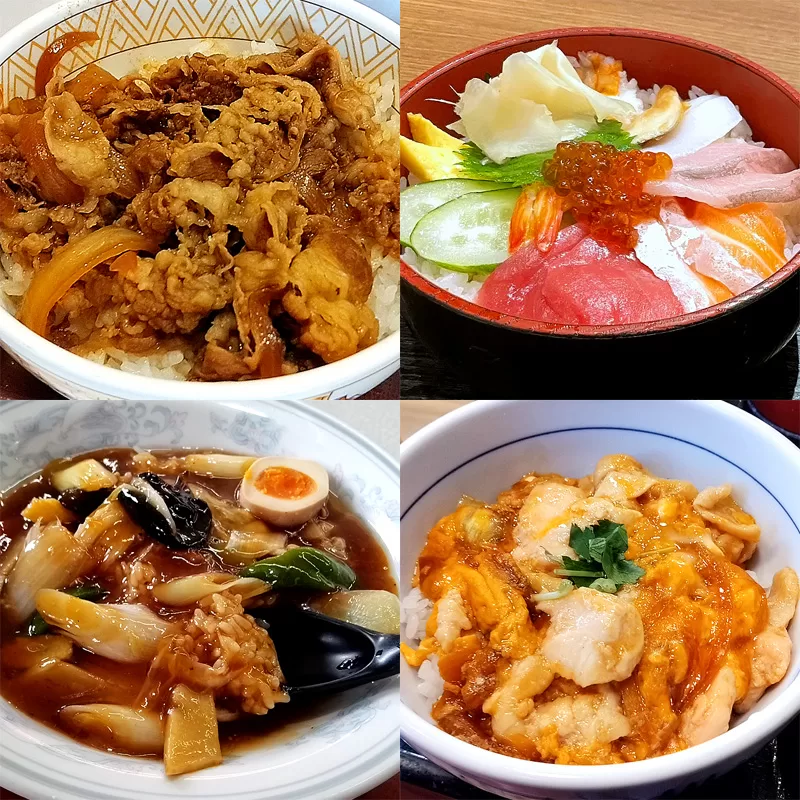
There is a wide variety of rice bowl dishes that have evolved uniquely in Japan, including beef bowls, oyakodon, katsudon, tendon, seafood bowls, and Chinese rice bowls.
Since Japan has a rice-based culture, I think the idea of putting it on rice and eating it quickly led to it being popular all over Japan as fast food.
The meat used can be beef, pork, chicken, eel, conger eel, or fish, which are grilled and eaten with rice and sauce.
And thanks to Japan’s outstanding processing, logistics, and cooking skills, you can enjoy delicious seafood bowls even in landlocked areas.
Furthermore, I would like to introduce a wide range of vegetable rice bowl dishes, such as grated yam, eaten with eggs and soy sauce.
German Potatoes (Jāmanpoteto:ジャーマンポテト)

There are similar dishes in Germany called Speckkartoffeln, which means “bacon + potatoes,” and Bratkartoffeln, but this is a unique Japanese version of the dish and can be found in izakayas and other establishments. This dish is made by frying potatoes with bacon, seasoning them with salt and consommé, and garnish them with butter and parsley. It was first served at Ginza Lion around 1979 and has since spread throughout Japan.
Croquette (Korokke:コロッケ)
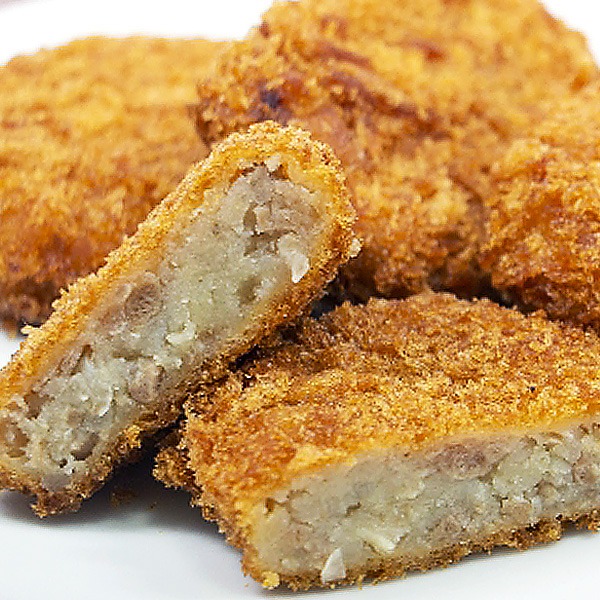
At the time in Japan, the French cream croquette “croquette” was considered a luxury dish as dairy processing techniques were not widespread there, so it was originally made using potatoes, which were cheap and readily available. It originated on the menu of Tokyo’s Chorakuken in 1917 (Taisho 6), and spread throughout Japan when the chef there, Abe Seiroku, opened a butcher shop called Choshiya in 1927 (Showa 2) after the Great Kanto Earthquake and started selling it.
Fried Shrimp (Ebifurai:エビフライ)
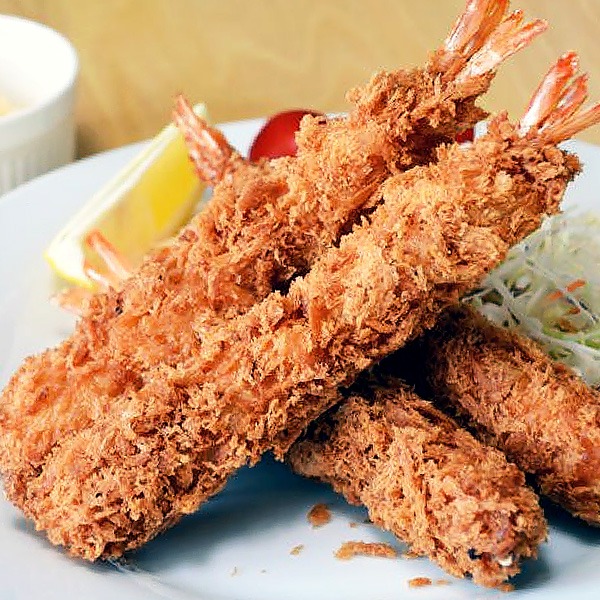
Fried shrimp is a Western-style dish that originated in Japan, made by covering seafood, vegetables, and other ingredients with egg white and breadcrumbs and frying them in a large amount of cooking oil. Although it is a staple of Japanese Western food menus, it is thought to have originated at Rengatei, a long-established Western restaurant in Ginza, Tokyo, which was founded in 1895 (Meiji 28). Around 1900, the founder, Kida Motojiro, experimented with frying not only meat, but also oysters, scallops and other ingredients, and this is how fried shrimp was born.
Tenshinhan (Tenshinhan:テンシンハン)
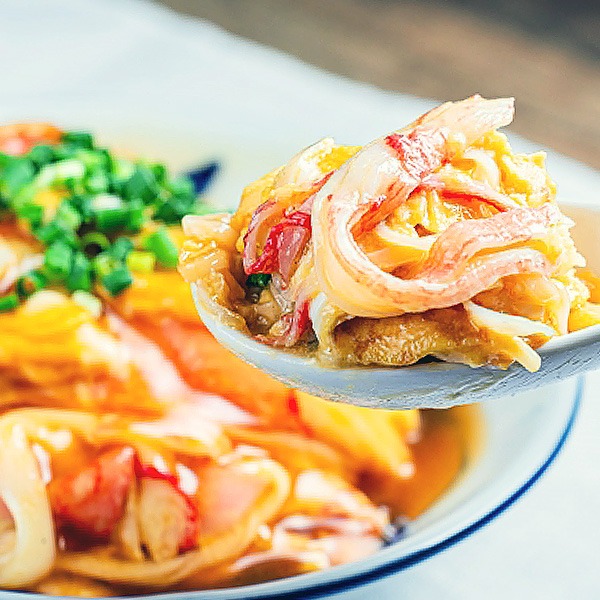
Tianjinhan is a dish that originated in Japan and does not exist in China. It is said to have originated as a popular Chinese restaurant in Asakusa, Japan, founded in 1910 (Meiji 43). It was invented in postwar Osaka during a time of food shortages, inspired by the eating habit of people in Tianjin, China, called “kaifan,” and in response to customer requests for something that could be eaten quickly at a Chinese restaurant in Asakusa, Tokyo.
Shrimp Chili (Ebichiri:エビチリ)
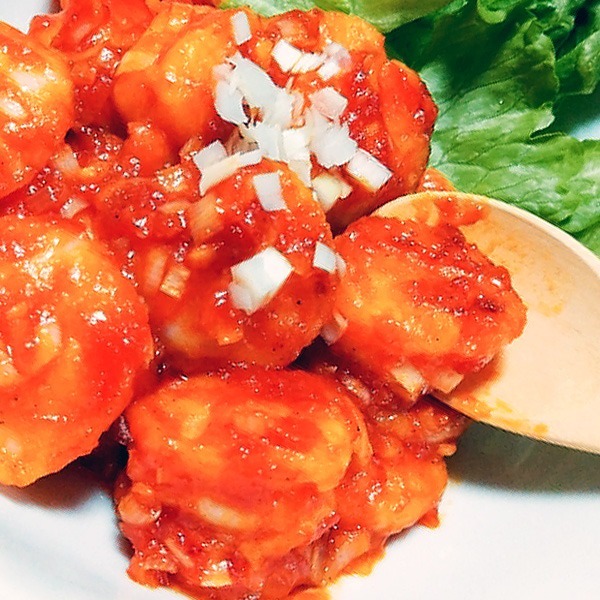
Shrimp chili is a dish that originated in Japan and is said to have been created as an adaptation of the Sichuan dish “Dry roasted shrimp.” This dish of stir-fried shrimp in chili sauce, with an exquisite balance of sweet and spicy, was apparently invented by Chen Jianmin when he opened Szechuan Restaurant in Japan in 1958. At the time, doubanjiang was too spicy for Japanese people, so adding ketchup to make it milder was probably more to suit the Japanese palate.
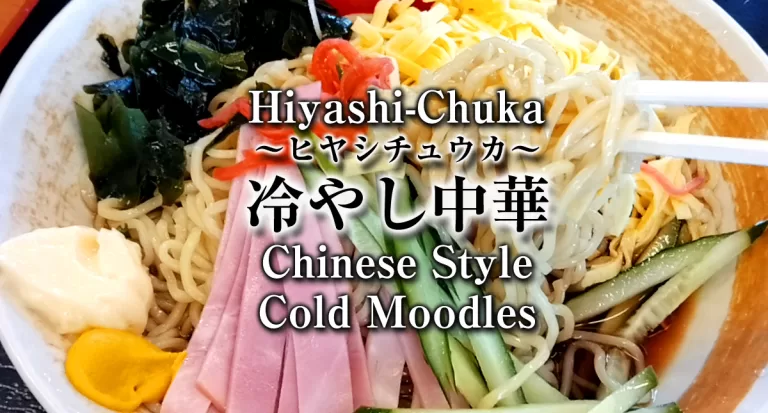
Chilled Chinese noodles (Hiyashichūka:ヒヤシチュウカ)
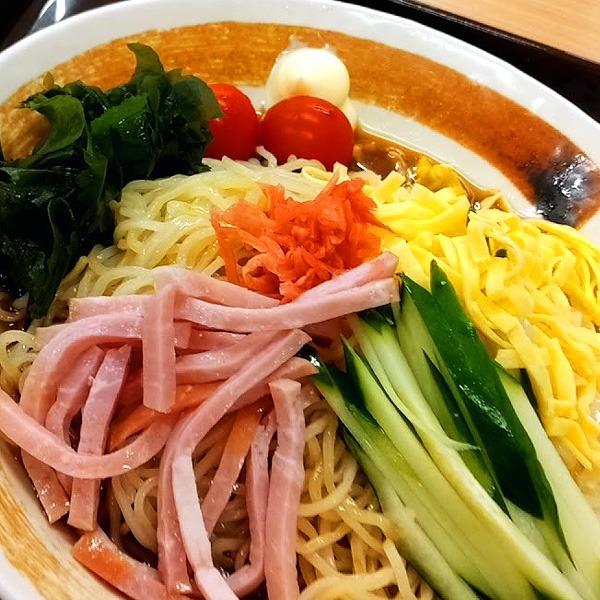
This cold noodle dish is said to have originated in Japan in the late 1940s and is a staple summer menu item (June to August, production period varies by restaurant). Sendai, Japan is the birthplace of chilled Chinese noodles, and it is a dish that is familiar to its residents. Hiyashi chuka, which consists of cold noodles topped with colorful ingredients and served with a sour soy sauce or rich sesame sauce, is a noodle dish that originated not in China but in Sendai, Japan.
Ramen (Rāmen:ラーメン)
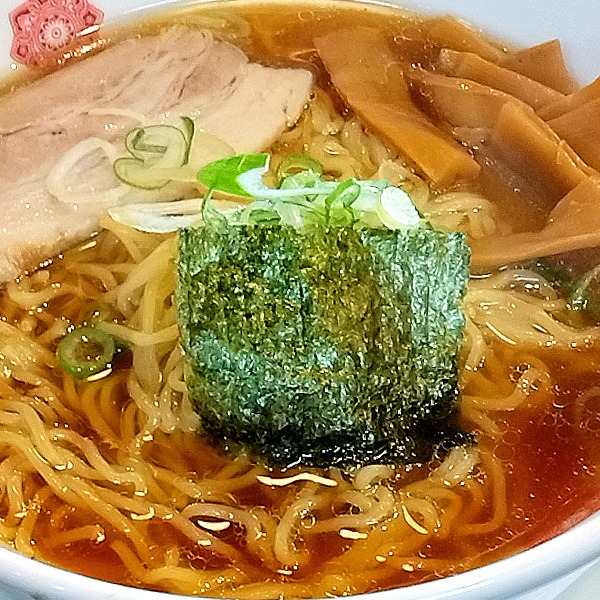
After ramen was introduced to Japan as a Chinese noodle dish, it evolved in various parts of the country and began to spread throughout the country around the Taisho period (1912-1926). [Classification by soup characteristics] Soy sauce, miso, salt, pork bone, chicken broth, seafood, etc. [Classification by region of Japan] Some of the different types of ramen are Hokkaido ramen (Sapporo ramen), Sakata ramen (Yamagata prefecture), Kitakata ramen (Fukushima prefecture), Sano ramen (Tochigi prefecture), Iekei ramen (Kanagawa prefecture), Koshu Jidori ramen (Yamanashi prefecture), Osama Chuka Soba (Nagano prefecture), and Kyoto-style ramen (Kyoto prefecture).
There are many more foods besides those mentioned above, but we will gradually post and introduce them, so please stay tuned.