Soup Stock – Dashi
このサイトはアフィリエイト広告を利用しています。 This site uses affiliate advertising.
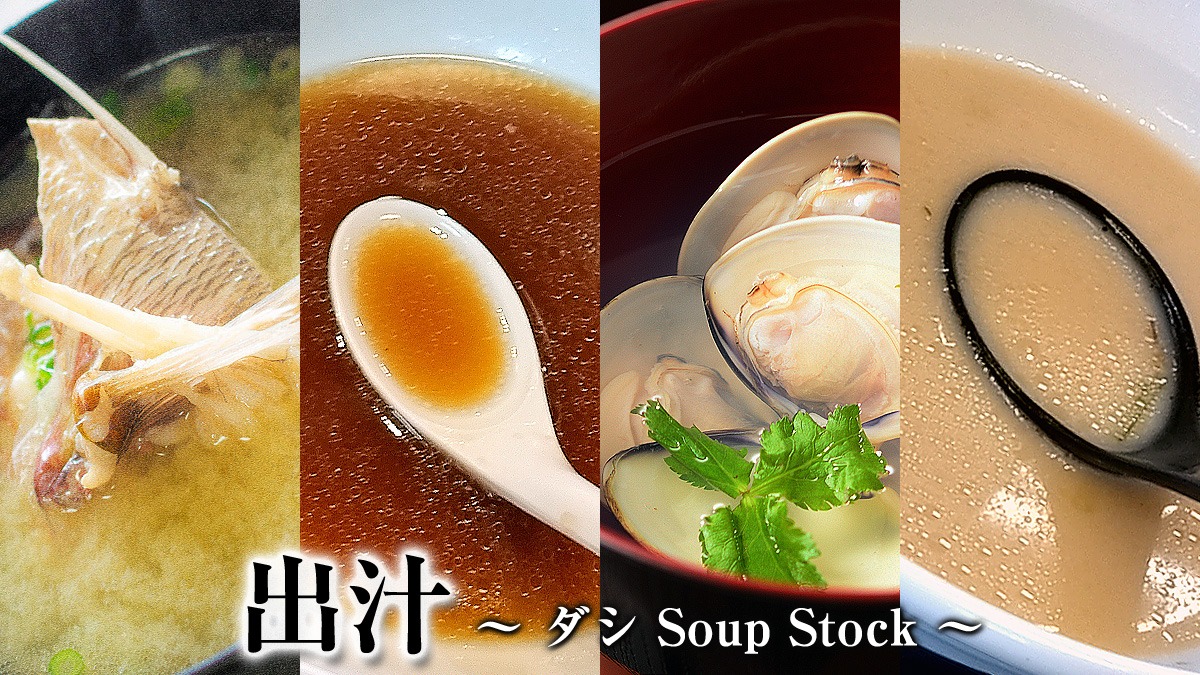
Soup Stock – Dashi = ダシ (出汁) –
The reason why I, who hardly ever cook, wanted to introduce dashi is because it is an essential ingredient in Japanese cuisine.
Dashi is an essential ingredient when introducing Japanese food, such as soba, udon, miso soup, oden, and ramen.
I used Wikipedia and the websites of Japanese manufacturers as references.
While traditional Western dashi is made using beef, chicken, fish, vegetables and herbs, Japanese dashi can be made in a variety of forms, including dried bonito flakes, kelp, sardines, shiitake mushrooms, vegetables and ※”fish Ara” (such as salmon, yellowtail, sea bream and tuna).
※”fish Ara” -This refers to the parts that remain after the fish is filleted into two or three pieces, such as the head, bones, gills, jaw (the part from the gills to the fins under the head), and tail.
“Dashi” is the foundation of flavor.
The broth in ramen, which is popular worldwide, is also made from dashi stock, and since the broth varies greatly from store to store and is a “trade secret,” when choosing a restaurant to eat at, I choose soy sauce, salt, pork bone, chicken base, miso, etc., and choose based on my favorite broth, noodles, and ingredients.
The main types of Dashi
“Ago” soup stock “Ago” means flying fish in Hirado, which is dried and boiled. “Ago” soup stock has a refined, refreshing sweetness and deep flavor.Okinawan cuisine soup stock In Okinawa cuisine, in addition to bonito stock and kelp stock, strained pork belly boiled water is used as pork stock.
“Kanto-style” soba soup stock A soup stock used mainly with soba noodles in the Kanto region. Add dried bonito flakes or bonito flakes to boiling water and simmer for about an hour, then squeeze and strain the liquid. Soy sauce, sugar and mirin are added to this stock to make tsuyu (soup).
“Kansai-style” udon soup stock A soup stock mainly used with udon noodles in the Kansai region. Boil the kelp for a while and then remove it from the water. Add a blend of bonito flakes, mackerel, and round herring shavings to the mixture, boil, then strain and squeeze. Soy sauce, sugar, and mirin are added to this stock to make tsuyu (broth).
Other stocks In mountainous areas where kelp and bonito flakes are not available, dried shiitake mushrooms, dried daikon radish strips, dried freshwater fish, snails, locusts, and dried meat were used to make soup stock, and *”Dashi Gara” was also eaten as an ingredient.
*”Dashi Gara”(“Dashi Gara” refers to the residue left over after boiling stock or decoctions, or the residue left over after brewing tea.)※Tsukudani (food boiled in soy sauce)It can also be used for furikake and other dishes. ※Tsukudani (food boiled in soy sauce)It is a food made by simmering marine products such as small fish, shrimp, shellfish, and kelp, or agricultural products such as vegetables, in a rich seasoning liquid made from sugar, soy sauce, sweetened sweet sake, mirin, and other seasonings, and then simmering it until it becomes sweet and spicy.
Since Japan has a culture of dashi stock, there are many manufacturers, so we will introduce only a few of them here. Learning about the characteristics of each manufacturer may help you discover even more about dashi.
Major Japanese manufacturers of soup stock and seasonings (in no particular order)
味の素株式会社(AJINOMOTO) https://www.ajinomoto.co.jp/ [GLOBAL]https://www.ajinomoto.com/?scid=pr_ot_pc_cojphead_global Seasonings, processed foods, sweeteners, beverages, etc. 株式会社 ダイショー(DAISHO) https://www.daisho.co.jp/ [ENGLISH]https://www.daisho.co.jp/english/ Soup, Aojiru, steak sauce, seasonings, etc. ヤマモリ株式会社(yamamori) https://www.yamamori.co.jp/ Soy sauce, soba and udon soup, retort foods, vinegar, etc. ヤマキ株式会社(Yamaki) https://www.yamaki.co.jp/ [GLOBAL]https://yamaki-global.com/ Dried bonito flakes, soba and udon soup, dashi powder, hot pot soup, etc. ヒガシマル醬油株式会社(HIGASHIMARU) Dashi ponzu sauce, hot pot soup, soy sauce, udon soup, seasonings, etc. ユタカフーズ株式会社(Yutakafoods) https://www.yutakafoods.co.jp/ Noodles (chilled and instant noodles), soba and udon soup, eel sauce, etc. 株式会社にんべん(NINBEN) https://www.ninben.co.jp/ [ENGLISH]https://www.ninben.jp/ Stock, sauce, ponzu sauce, soba/udon soup, bonito flakes, furikake, etc. キッコーマン株式会社(Kikkoman) https://www.kikkoman.co.jp/ [GLOBAL]https://www.kikkoman.com/en/ Soy sauce, mirin, soup, ponzu sauce, dashi, seasonings, etc.There are still many food manufacturers, but I would like to add more if possible. I will also gradually introduce dishes that use dashi.
*Prices may change depending on when you order. Please check the website or the store.
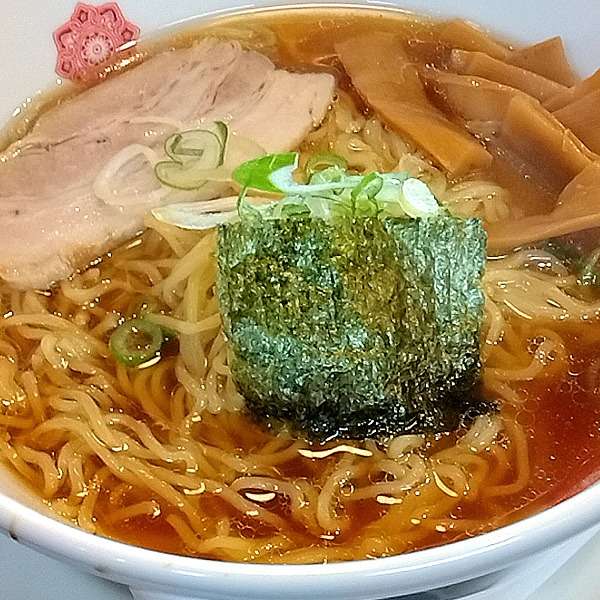
Soy Sauce Ramen ~ ショウユラーメン(醤油拉麺)~
The soup for typical soy sauce ramen is made from a stock made from bonito flakes, dried sardines, and kelp, with soy sauce, mirin, sugar, and salt added, but the thing that makes it difficult to popularize overseas is the water!
In Japan, food is made with drinkable water and washing is also done with drinkable water, so I think it’s the water that makes the taste different from what’s made overseas.
The soy sauce ramen in the picture is from “Hidakaya”, which has branches in the Kanto region, and even in early November 2024 it was only ¥390 (tax included) + a large serving for ¥80 (tax included), so I was very satisfied!
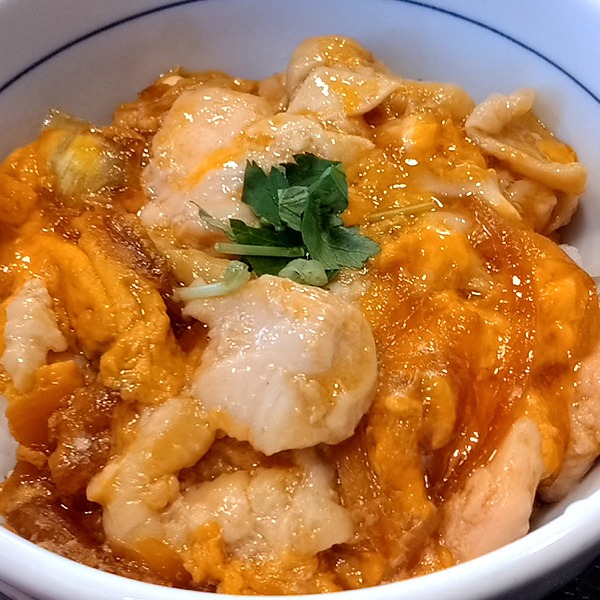
Oyakodon ~ オヤコドン(親子丼)~
Oyakodon is generally made with bonito stock, soy sauce, sake (or white wine, etc.), sugar, and mirin, but you can’t get that flavor with just chicken thighs, onions, and eggs!
The oyakodon in the picture is from “Nakau,” which is available all over Japan, and has a consistent, gentle, and delicious taste no matter when you eat it.(‘ω’)
In early November 2024, I enjoyed a regular serving for ¥450 (tax included). It was so mild and delicious that I ordered a regular bowl of Zaru Udon for ¥400 (tax included) + salad (sesame sauce) for ¥150 (tax included).
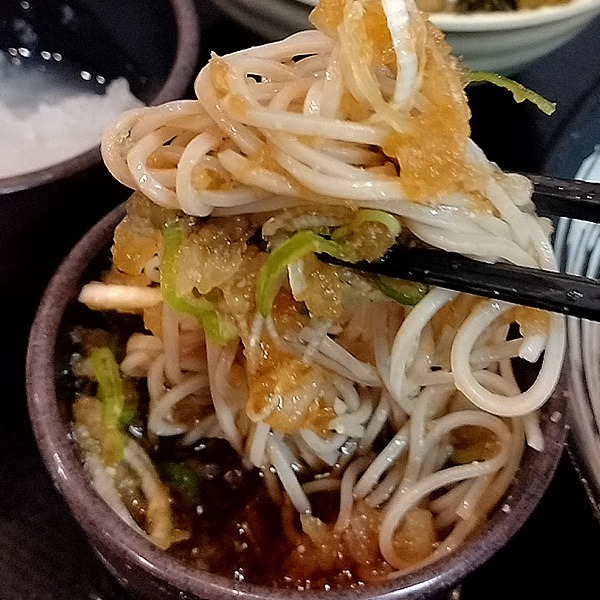
Mori or Zaru Soba ~ モリ・ザルソバ(もり・ざる蕎麦)~
Depending on whether or not there is seaweed on top of the soba, it is called “mori soba” without seaweed and “zaru soba” with seaweed. The image is “Yudetaro”‘s “mori soba” with grated daikon radish added.
Kanto “Oshiru” is mainly made from fish, with a strong flavor from bonito stock and soy sauce.
In early October 2024, Mori Soba will be ¥430 (tax included) + Oni Oroshi ¥100 (tax included)! I always want to eat it!
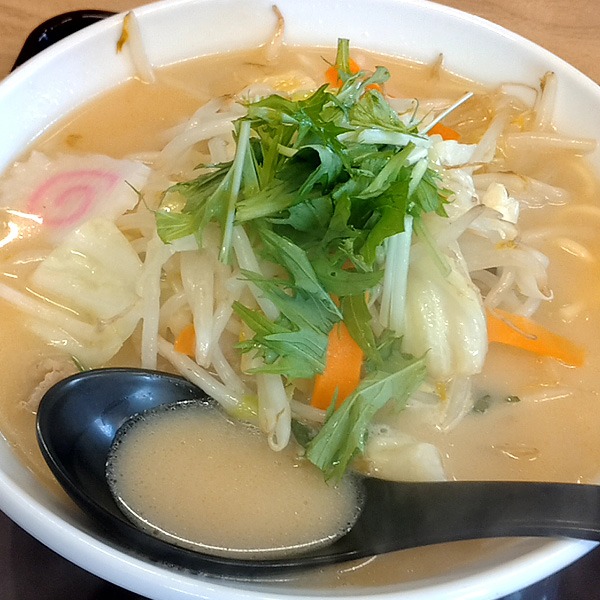
Tanmen ~ タンメン(湯麺)~
It is a mild-tasting dish that is stir-fried with plenty of vegetables such as bean sprouts and cabbage and pork, then simmered in a chicken bone-based broth and served with Chinese noodles.
The image shows the “Rich Tanmen” from “Saitama Tanmen Yamada Taro”.
In early November 2024, I ordered the Rich Tanmen for ¥800 (tax included) + 100g extra vegetables for free! I also ordered the small rice and fried chicken set for ¥250 (tax included)!
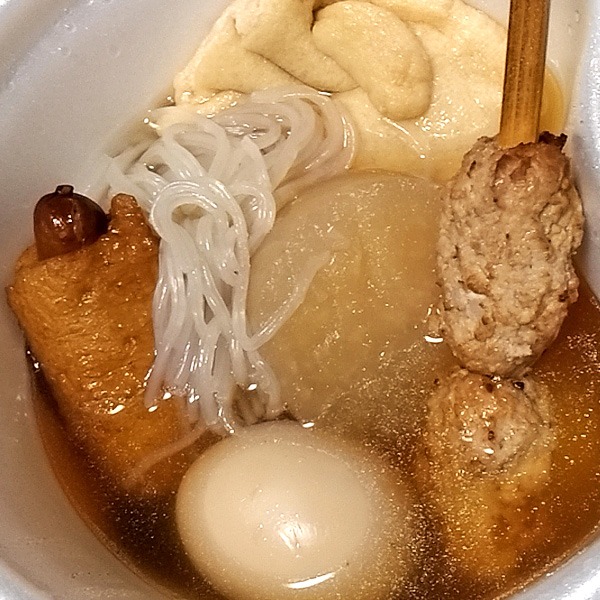
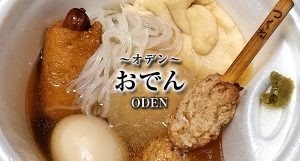
Oden ~ オデン(おでん)~
As we introduced in the “Food” section, this dish is made by simmering ingredients such as boiled eggs, satsumaage, konnyaku, kelp, radish, and potatoes in a broth made from bonito flakes and kelp.
The image is of “Oden” from “Seven-Eleven”.
As of early November 2024, the prices are: egg ¥140.40, radish ¥120.96, shirataki noodles ¥120.96, sausage roll ¥130.68, meatball skewer ¥180.36, mochi pouch ¥180.36. All prices include tax.
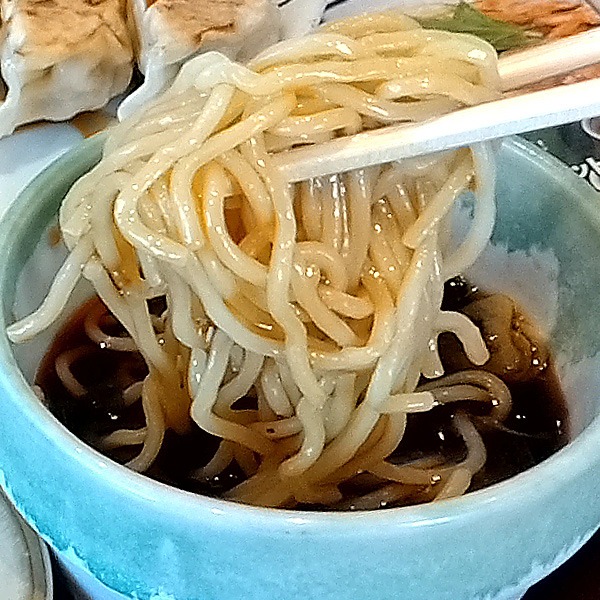
Zaru Ramen ~ ザルラーメン(ざる拉麺)~
The picture shows “Zaru Ramen” from “Yamada Udon Shokudo”, which has a special dipping sauce with just the right amount of bonito stock flavor and sesame oil aroma.
I suddenly had a craving for Zaru Ramen, so in early November 2024, I ordered Zaru Ramen for ¥590 (tax included) + Large serving ¥100 (tax included) + Gyoza (6 pieces) for ¥290 (tax included), which was very satisfying.
( *´艸`)
I could still eat it, but I called it a day!
The prices listed for the dishes using dashi mentioned above are from major chain restaurants, so you will still be able to eat them at those prices in 2024, but I think privately owned restaurants would charge around 1.5 to 2 times as much.
However, if you look around, I think you’ll find some privately owned restaurants where you can eat at the same prices as the stores mentioned above.
I would be happy if you could use this as a reference for what to eat in Japan.
And if you don’t recognize the foods listed above, I don’t think you’re Japanese. Or, even if you’re Japanese, you probably haven’t lived in Japan.
There are still many more delicious “Dashi” dishes, so I would like to gradually introduce them to you.
Thank you for watching.